We ship to the United States, its territories and outlying islands. Returns are accepted within 30 days of receipt. Full warranty information can be found here.

Free Shipping on Orders $35+
✓ Plant with Confidence—Guaranteed Through 2027
Get it between -
We ship to the United States, its territories and outlying islands. Returns are accepted within 30 days of receipt. Full warranty information can be found here.
We guarantee our seed to be fresh, vigorous, untreated, and true to variety.
Each packet is guaranteed through the year printed on the packet, plus one full additional growing year.
If your seeds fail to germinate, arrive damaged, or do not grow true to type, please contact us and we will make it right through replacement seed, store credit, or refund when appropriate.
Full warranty policy here.
Open-pollinated varieties, perfect for seed saving.
Safe seeds, free of neonics and other treatments.
It's simple. If you have a problem, we make it right.
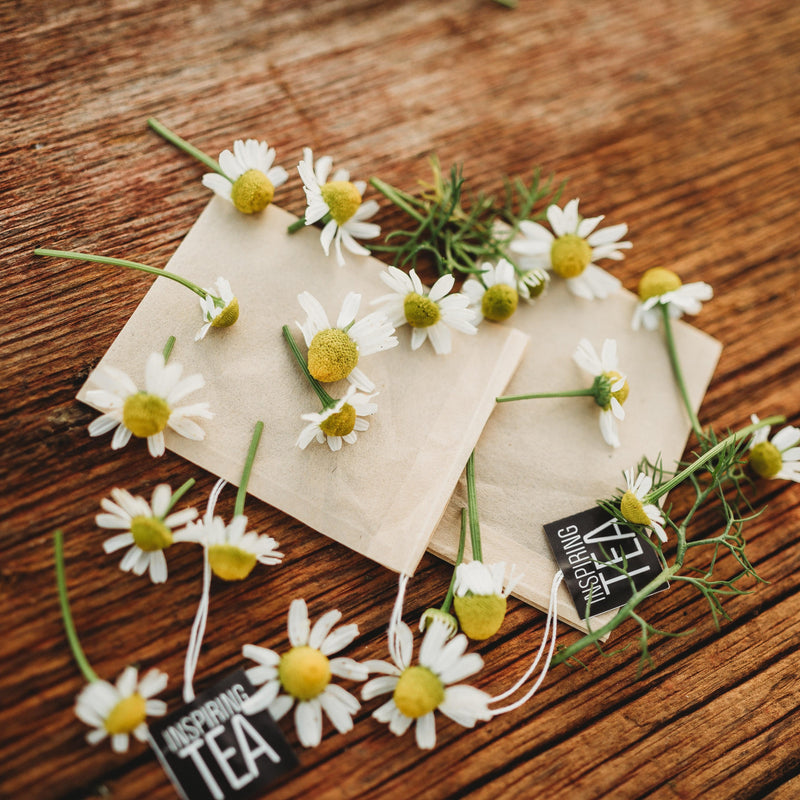
Matricaria recutita
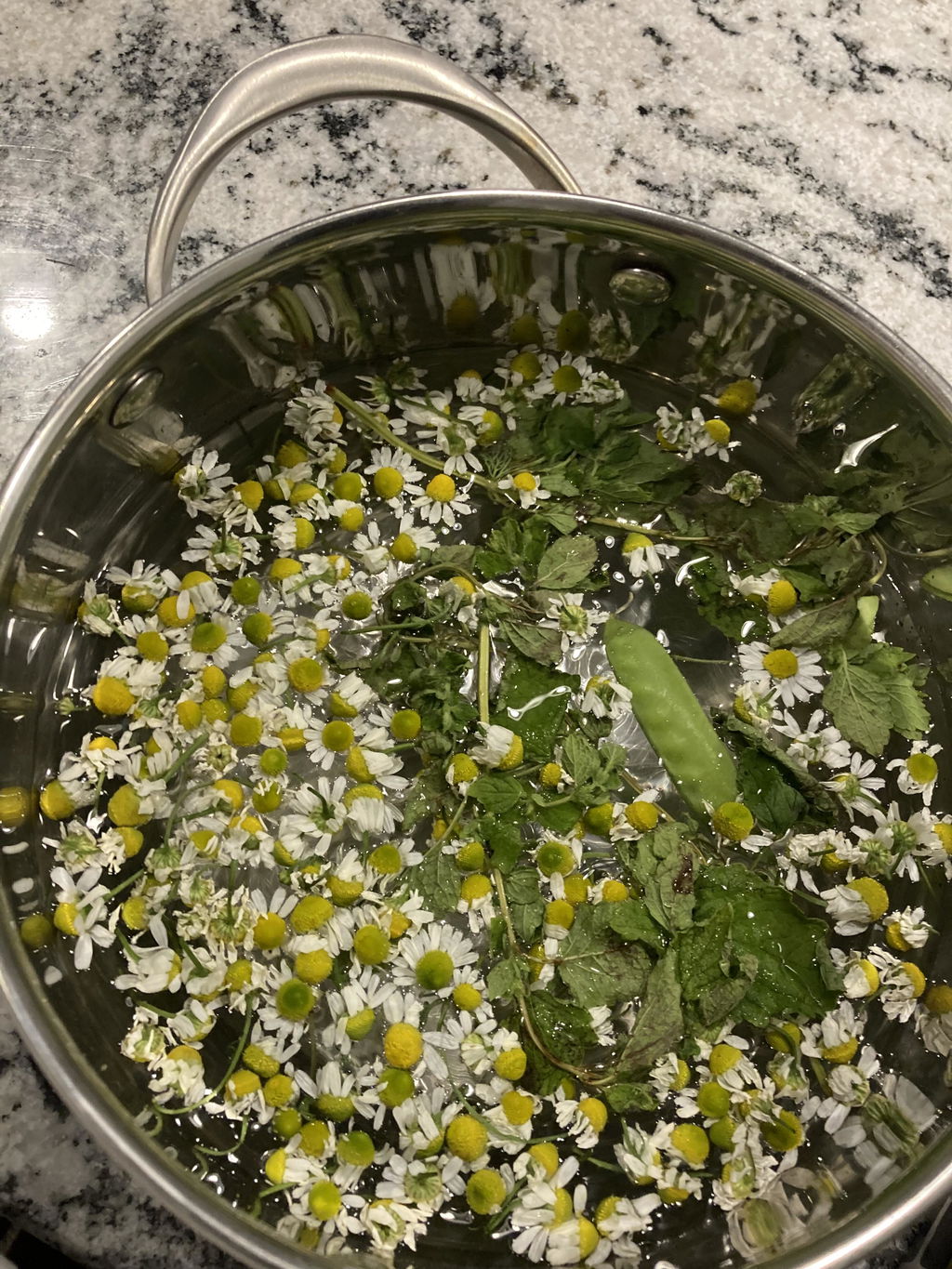
German Chamomile (Matricaria chamomilla) is a classic garden herb treasured for its delicate beauty and long tradition of use in herbal preparations. The plants produce an abundance of small, daisy-like flowers with bright yellow centers and white petals, held above soft, feathery foliage that adds a light, airy texture to the garden.
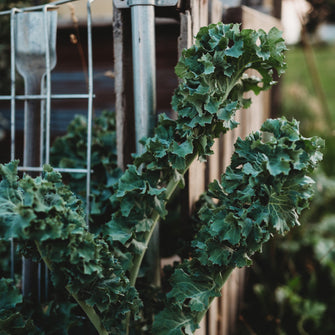
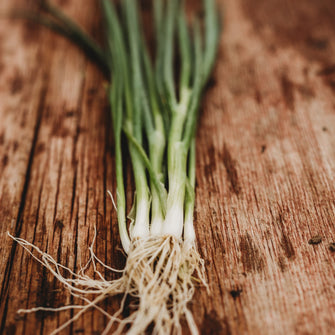
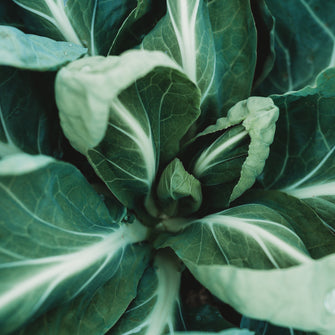
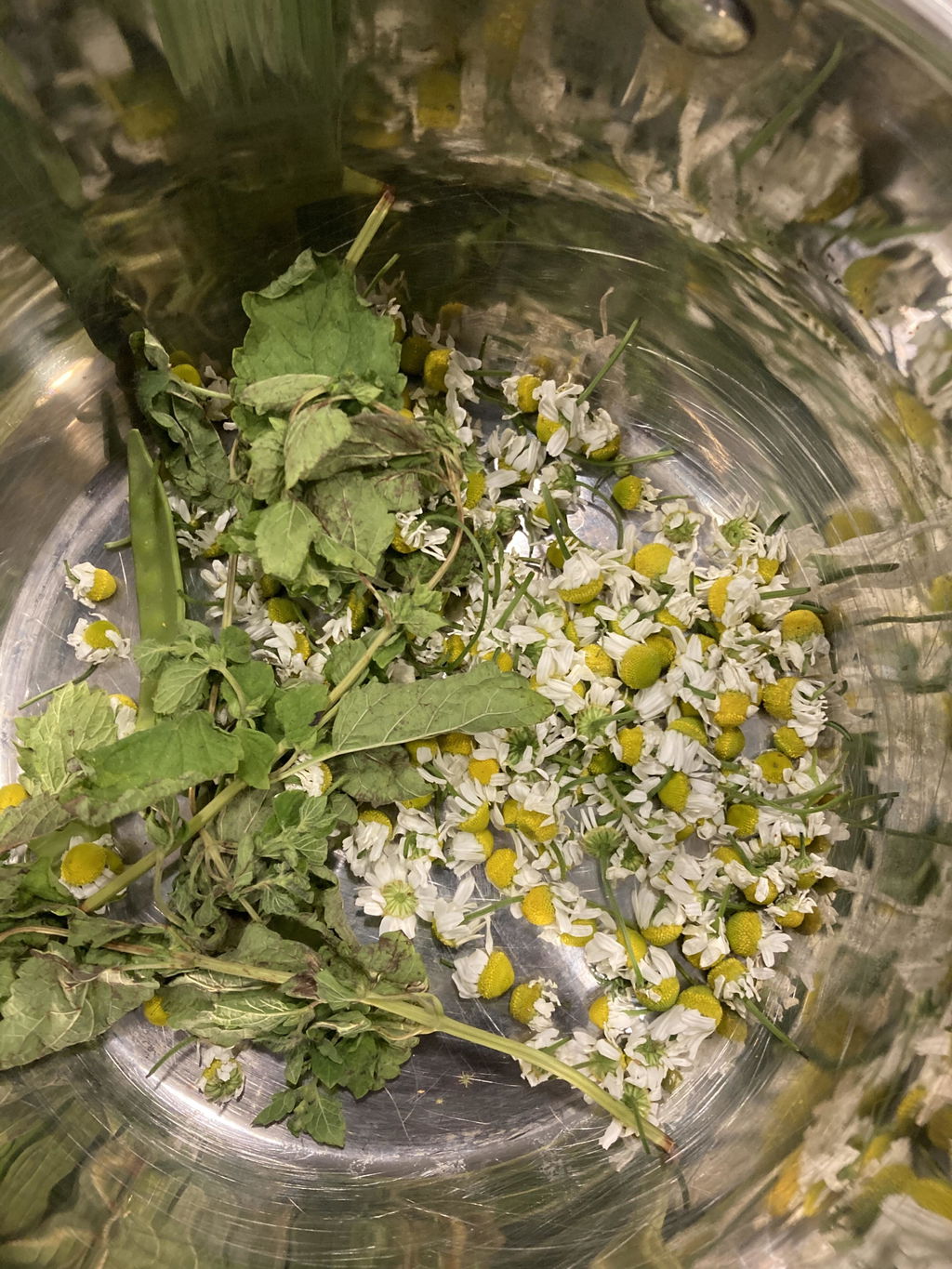
Chamomile is perhaps best known for its fragrant blossoms, which are commonly harvested and dried for use in teas and other herbal infusions. In the garden, it also serves as a useful companion plant—especially alongside crops like cabbage and onions.
Easy to grow and quick to establish, German Chamomile readily self-seeds if flowers are allowed to mature... More
Matricaria recutita
German Chamomile (Matricaria chamomilla) is a classic garden herb treasured for its delicate beauty and long tradition of use in herbal preparations. The plants produce an abundance of small, daisy-like flowers with bright yellow centers and white petals, held above soft, feathery foliage that adds a light, airy texture to the garden.
Chamomile is perhaps best known for its fragrant blossoms, which are commonly harvested and dried for use in teas and other herbal infusions. In the garden, it also serves as a useful companion plant—especially alongside crops like cabbage and onions.
Easy to grow and quick to establish, German Chamomile readily self-seeds if flowers are allowed to mature, often returning year after year with minimal effort. A charming and versatile addition to herb gardens, borders, and pollinator-friendly plantings. Each packet contains a minimum of 250 seeds.
Matricaria recutita
German Chamomile (Matricaria chamomilla) is a classic garden herb treasured for its delicate beauty and long tradition of use in herbal preparations. The plants produce an abundance of small, daisy-like flowers with bright yellow centers and white petals, held above soft, feathery foliage that adds a light, airy texture to the garden.
Chamomile is perhaps best known for its fragrant blossoms, which are commonly harvested and dried for use in teas ... read more
Matricaria recutita
German Chamomile (Matricaria chamomilla) is a classic garden herb treasured for its delicate beauty and long tradition of use in herbal preparations. The plants produce an abundance of small, daisy-like flowers with bright yellow centers and white petals, held above soft, feathery foliage that adds a light, airy texture to the garden.
Chamomile is perhaps best known for its fragrant blossoms, which are commonly harvested and dried for use in teas and other herbal infusions. In the garden, it also serves as a useful companion plant—especially alongside crops like cabbage and onions.
Easy to grow and quick to establish, German Chamomile readily self-seeds if flowers are allowed to mature, often returning year after year with minimal effort. A charming and versatile addition to herb gardens, borders, and pollinator-friendly plantings. Each packet contains a minimum of 250 seeds.
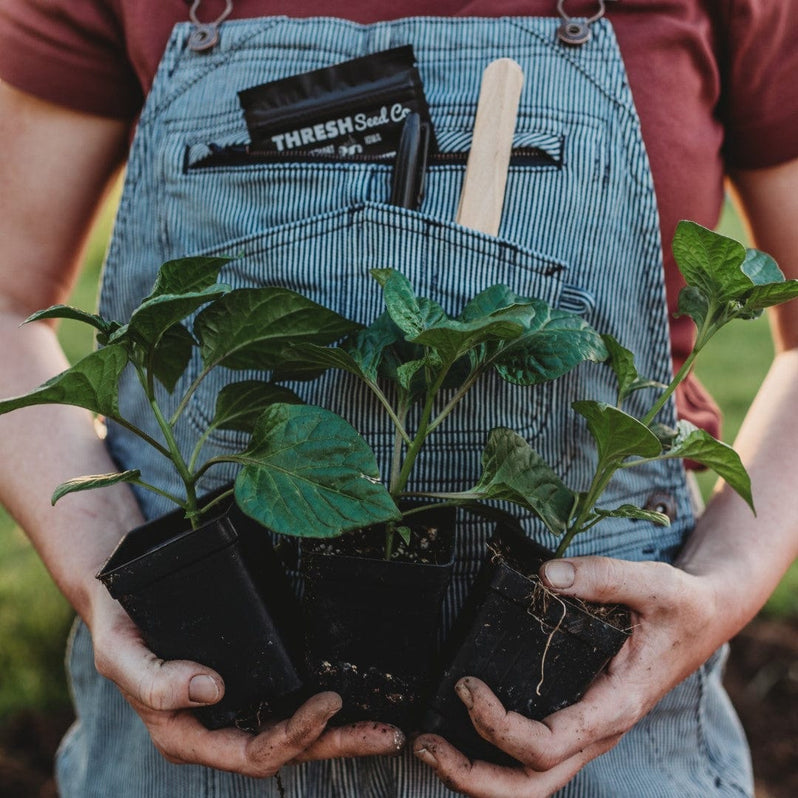
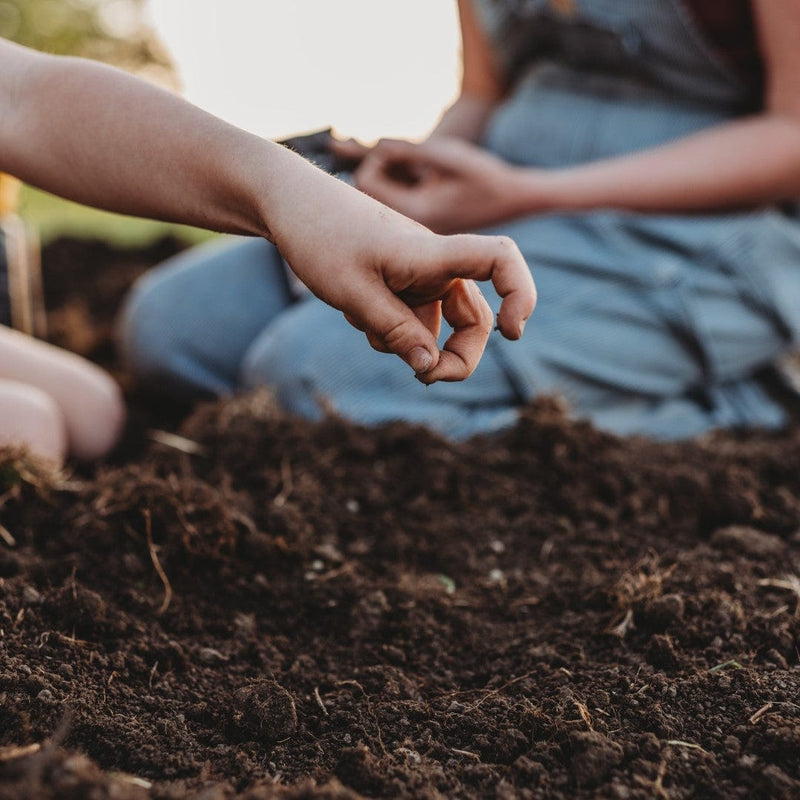
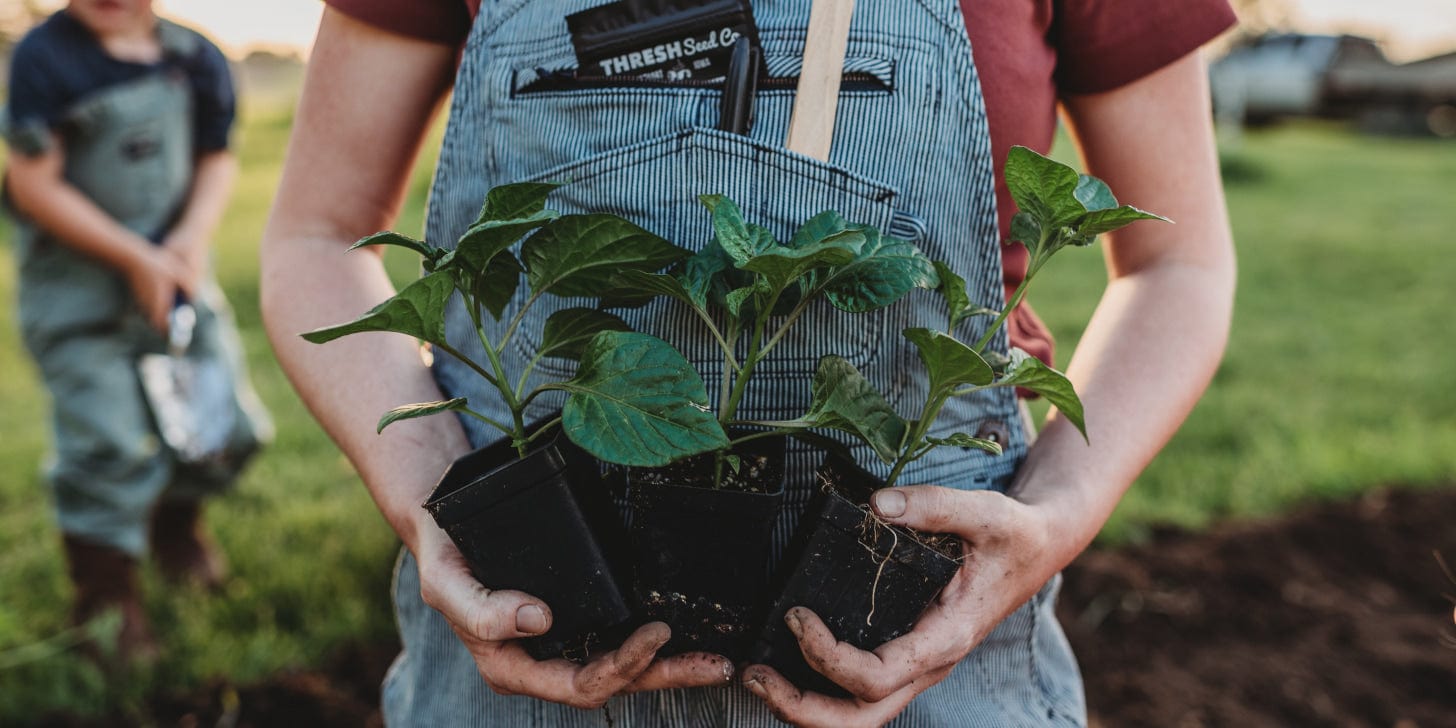
Sweat on your brow, hands in the dirt, and a smile on your face. You aren't afraid of a little hard work, and we're here to ensure that your efforts are rewarded. You can rest assured that our top-quality seeds from dependable, time-tested varieties will have you reaping more than just satisfaction from your hard day's work.
Chamomile prefers well-drained soil that is neutral to slightly acidic with a pH of 5.5 to 7.5. It does best in full sun to partial shade, requiring at least 6 hours of direct sunlight per day. Chamomile can tolerate some shade, especially in hotter climates. It can also tolerate poor soil conditions, but prefers rich, moist soil that is high in organic matter. Chamomile is relatively drought-tolerant and does not require frequent watering, but it should not be allowed to dry out completely.
Direct seed outdoors as soon as soil can be worked. Surface sow seeds in narrow bands with 18" between rows/bands. Do not cover as light is required for germination. Keep moist until germination has occurred. Thin seedlings to small clusters spaced 8" apart. Can also be seeded indoors and transplanted outdoors once the seedlings are large enough to handle.
Chamomile seedlings can be transplanted outdoors once they have developed their first true leaves and are large enough to handle. Choose a well-draining location in full sun to partial shade with slightly acidic to neutral soil. Dig a hole deep and wide enough to accommodate the root ball of the seedling. Carefully remove the seedling from its container and gently loosen the roots. Place the seedling in the hole, making sure the top of the root ball is level with the surrounding soil. Backfill the hole with soil and gently tamp down the soil around the plant. Water the plant thoroughly after transplanting.
Insect Pests
Diseases & Other Problems
Chamomile is typically harvested when the flowers are fully open, which is usually in the morning. The flowers can be snipped off the plant using scissors or pruned with garden shears. After harvesting, the flowers should be dried in a well-ventilated area, away from direct sunlight. Once the flowers are dry, they can be stored in an airtight container in a cool, dry place for later use. Chamomile can also be stored in the freezer to help preserve its freshness.
CONSIDERATIONS:
Chamomile is predominantly an outcrossing plant with a self-incompatibility mechanism that can be highly variable. Little is known about the outcrossing frequency between different cultivars, so to be safe, only one variety should be grown if the grower wishes to maintain the genetic purity of their variety.
HARVESTING SEED:
To save seed from German chamomile, wait until the flowers have died back and the seed heads have turned brown. Cut the seed heads off the plant and place them in a paper bag. Allow the seed heads to dry completely, which usually takes a few days. Once the seed heads are dry, shake them gently to release the seeds. Remove any debris or chaff from the seeds and store them in an airtight container in a cool, dry place.
SEED LONGETIVITY:
Chamomile seeds can remain viable for up to 2-3 years if stored properly.
Sign up to get the latest on sales, new releases, and more...