We ship to the United States, its territories and outlying islands. Returns are accepted within 30 days of receipt. Full warranty information can be found here.

Free Shipping on Orders $35+
✓ Plant with Confidence—Guaranteed Through 2027
Get it between -
We ship to the United States, its territories and outlying islands. Returns are accepted within 30 days of receipt. Full warranty information can be found here.
We guarantee our seed to be fresh, vigorous, untreated, and true to variety.
Each packet is guaranteed through the year printed on the packet, plus one full additional growing year.
If your seeds fail to germinate, arrive damaged, or do not grow true to type, please contact us and we will make it right through replacement seed, store credit, or refund when appropriate.
Full warranty policy here.
Open-pollinated varieties, perfect for seed saving.
Safe seeds, free of neonics and other treatments.
It's simple. If you have a problem, we make it right.
Brassica oleracea
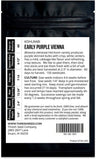
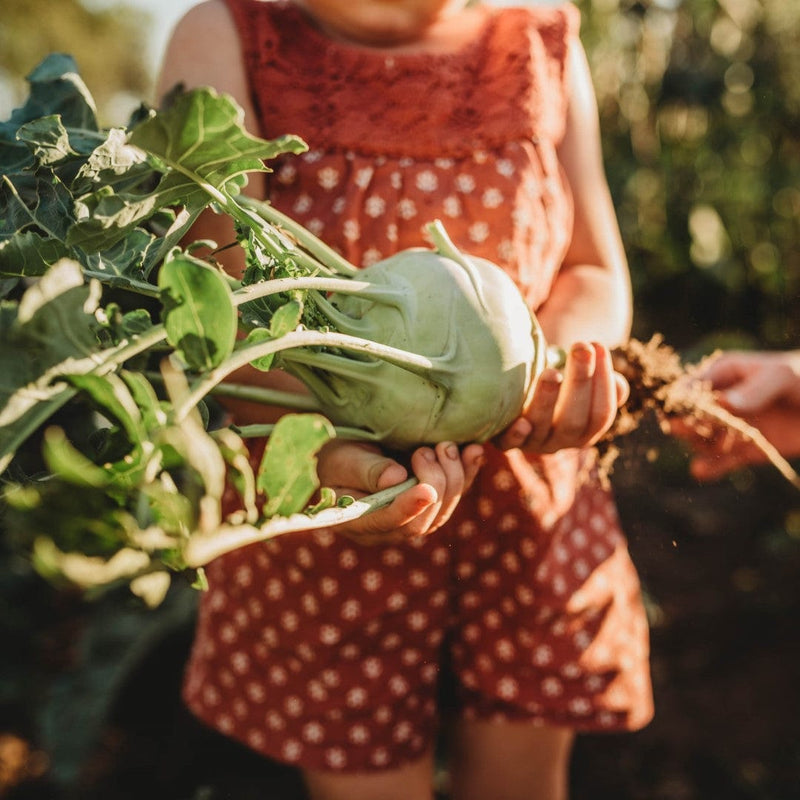
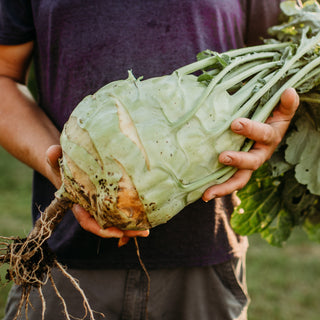
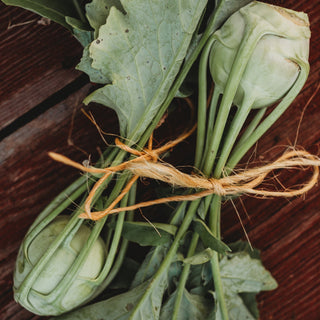
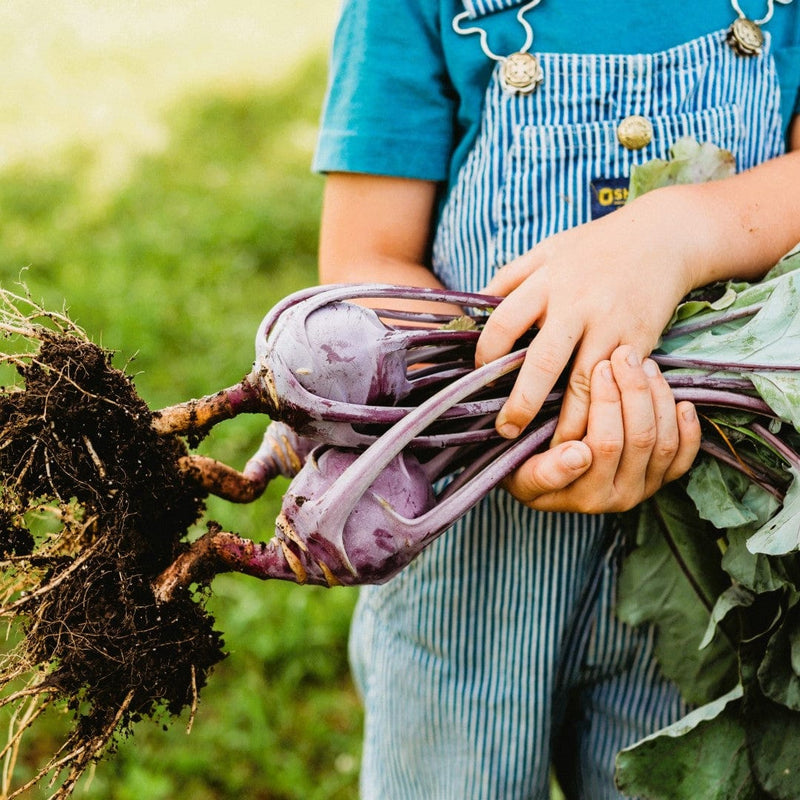
Early Purple Vienna kohlrabi is an heirloom variety that produces beautiful, purple-skinned bulbs with crisp, white centers. Early Purple Vienna has a mild, cabbage-like flavor and refreshing, crisp texture. We like to peel them, then slice into sticks and eat them fresh with a bit of salt. They are also great for roasting with other cole crops and root vegetables. Bulbs are best harvested at 2 to 3 inches in diameter. Matures about 60 days after transplanting. Each packet contains a minimum of 150 seeds.
Brassica oleracea
Early Purple Vienna kohlrabi is an heirloom variety that produces beautiful, purple-skinned bulbs with crisp, white centers. Early Purple Vienna has a mild, cabbage-like flavor and refreshing, crisp texture. We like to peel them, then slice into sticks and eat them fresh with a bit of salt. They are also great for roasting with other cole crops and root vegetables. Bulbs are best harvested at 2 to 3 inches in diameter. Matures about 60 days after tran... read more
Brassica oleracea
Early Purple Vienna kohlrabi is an heirloom variety that produces beautiful, purple-skinned bulbs with crisp, white centers. Early Purple Vienna has a mild, cabbage-like flavor and refreshing, crisp texture. We like to peel them, then slice into sticks and eat them fresh with a bit of salt. They are also great for roasting with other cole crops and root vegetables. Bulbs are best harvested at 2 to 3 inches in diameter. Matures about 60 days after transplanting. Each packet contains a minimum of 150 seeds.
Sweat on your brow, hands in the dirt, and a smile on your face. You aren't afraid of a little hard work, and we're here to ensure that your efforts are rewarded. You can rest assured that our top-quality seeds from dependable, time-tested varieties will have you reaping more than just satisfaction from your hard day's work.
Kohlrabi grows best in well-draining soil with a pH range of 6.0 to 7.0. The soil should be rich in organic matter and nitrogen, but not too compacted. Full sun to partial shade is required for kohlrabi to grow, but it can tolerate some shade. In hotter climates, it may benefit from afternoon shade. Adequate water is also essential, as kohlrabi prefers consistently moist soil.
Sow indoors 6-8 weeks before last frost. Plant seeds 1/4" deep in pre-moistened seed starting mix. Keep moist until germination has occurred (7-10 days).
Set transplants outdoors just before the last frost, spacing plants 24" in all directions. Water regularly until seedlings are well-established.
Insect Pests
Very young direct-seeded plants are susceptible to flea beetles. Otherwise, the predominant threat to kohlrabi is the cabbage moth caterpillar. Floating row covers and biological controls like Bacillus thuringiensis (Bt) are very effective at controlling caterpillar damage.
Diseases & Other Problems
Although not common, kohlrabi is susceptible to several fungal and bacterial diseases, including black rot, clubroot, downy mildew, and fusarium yellows. These diseases can cause stunted growth, yellowing of leaves, wilting, and premature death of the plant. In addition to diseases, cabbage can also be affected by nutrient deficiencies, such as a lack of nitrogen or boron, and environmental stresses like heat or drought. To prevent and manage these problems, it's important to remove crop residue in the fall and use proper tillage and/or crop rotation, as well as provide proper soil nutrition and irrigation. Early detection and intervention are key to controlling diseases and other issues in kohlrabi.
Kohlrabi can be harvested by cutting or pulling the root ball and then tearing off the outer leaves from the bulb. Store in an airtight bag or container in the fridge for up to three weeks. Alternatively, kohlrabi can be peeled, sliced, blanched and frozen for long-term storage. The skin of kohlrabi is tough and must be peeled prior to consumption. This is usually done by first slicing off the root and shoot ends to make a flat surface to stabilize the bulb while processing and then carefully cutting down the sides to remove the skin.
CONSIDERATIONS:
As kohlrabi is an outcrossing plant, it is necessary isolate the plants in order to prevent cross-pollination with other related plants such as cauliflower, cabbage, and kohlrabi. Cross-pollination can result in undesirable traits in the offspring, affecting their taste, texture, and appearance. To prevent cross-pollination, you can either plant different crops in separate areas or use physical barriers such as nets or cages to protect the plants (pollinators will need to be introduced in this scenario). As a biennial plant, kohlrabi requires a vernalization, or cooling period, to initiate flowering. Therefore plants must be dug and brought indoors in climates with harsh winters. Once replanted in the spring, plants will begin to develop flowers that eventually give way to siliques, the seed-bearing structures of the oleracea plants.
HARVESTING SEED:
To harvest kohlrabi seeds, allow the plant to fully mature and form seed pods. The seed pods will turn brown and dry when they are ready for harvesting. Cut the seed stalks from the plant and place them in a dry and well-ventilated area for further drying, until the pods split open and release the seeds. Once the seeds are fully dried, separate them from the pods and store them in a cool and dry place until you are ready to plant them.
SEED LONGETIVITY:
Kohlrabi seeds can maintain their viability for up to 5 years if they are stored properly. It's important to store the seeds in a cool, dry place to prevent them from being exposed to moisture or extreme temperatures.
LOOKING GOOD, JUST COMING UP
Sign up to get the latest on sales, new releases, and more...