We ship to the United States, its territories and outlying islands. Returns are accepted within 30 days of receipt. Full warranty information can be found here.

Free Shipping on Orders $35+
✓ Plant with Confidence—Guaranteed Through 2027
Get it between -
We ship to the United States, its territories and outlying islands. Returns are accepted within 30 days of receipt. Full warranty information can be found here.
We guarantee our seed to be fresh, vigorous, untreated, and true to variety.
Each packet is guaranteed through the year printed on the packet, plus one full additional growing year.
If your seeds fail to germinate, arrive damaged, or do not grow true to type, please contact us and we will make it right through replacement seed, store credit, or refund when appropriate.
Full warranty policy here.
Open-pollinated varieties, perfect for seed saving.
Safe seeds, free of neonics and other treatments.
It's simple. If you have a problem, we make it right.
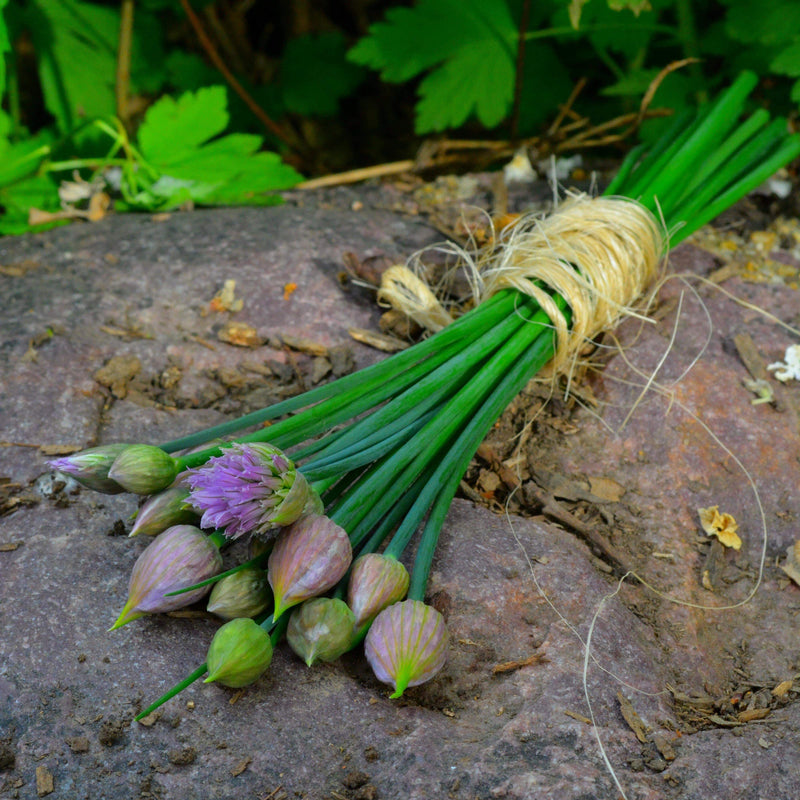
Allium schoenoprasum
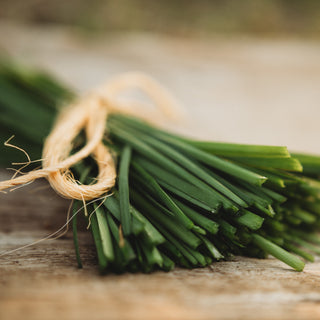
The onion chive is a relative of onions and leeks, and similar in flavor but grown mostly for its tender, hollow stems. Most often used on baked potatoes, but unlimited in potential. Try making your own herbed butter or using them to top pasta or fish. The delicate flowers are edible too and can be infused into vinegar, rendering it a lovely pink color. Plants require some patience during the first year but will bear for many years once established. Perennial in zones 3 to 9. Each packet contains a minimum of 250 seeds.
Allium schoenoprasum
The onion chive is a relative of onions and leeks, and similar in flavor but grown mostly for its tender, hollow stems. Most often used on baked potatoes, but unlimited in potential. Try making your own herbed butter or using them to top pasta or fish. The delicate flowers are edible too and can be infused into vinegar, rendering it a lovely pink color. Plants require some patience during the first year but will bear for many years once established. ... read more
Allium schoenoprasum
The onion chive is a relative of onions and leeks, and similar in flavor but grown mostly for its tender, hollow stems. Most often used on baked potatoes, but unlimited in potential. Try making your own herbed butter or using them to top pasta or fish. The delicate flowers are edible too and can be infused into vinegar, rendering it a lovely pink color. Plants require some patience during the first year but will bear for many years once established. Perennial in zones 3 to 9. Each packet contains a minimum of 250 seeds.

We’re holding firm to the time-honored traditions and downhome ways that have brought up generations all across these fruited plains. In fact, the varieties offered here are the same ones we place on our own dinner table—and in this way of life, that says something.
Onion chives prefer well-draining, fertile soil with a pH between 6.0 and 7.0. They can tolerate a range of soil types and partial shade but prefer full sun. Before planting, amend the soil with compost and well-rotted manure. Plant the seeds or seedlings in the spring, spacing them 6-12 inches apart and 1/4-1/2 inch deep. Water regularly to keep the soil moist but not waterlogged. Fertilize with a balanced fertilizer every 4-6 weeks during the growing season. Onion chives can also be grown in containers with well-draining soil and placed in a sunny location.
Sow indoors 6-8 weeks before the last frost. Plant seeds 1/4" deep in pre-moistened seed starting mix. Under ideal conditions, germination will occur in 7-14 days.
Set transplants outdoors anytime in mid-spring through early summer. Plants should be spaced 1ft in all directions. Chives prefer full sun, but will tolerate some shade.
Insect Pests
Diseases & Other Problems
To harvest onion chives, wait until they are at least 6 inches tall, then snip off the leaves at the base with a sharp pair of scissors or pruning shears. Leave at least an inch of growth at the base to encourage new growth. To store onion chives, wrap them in damp paper towels and place them in a plastic bag in the refrigerator for up to a week. Alternatively, you can chop the leaves and freeze them in ice cube trays with water or oil for later use in cooking. Onion chives can also be dried by hanging them in bunches upside down in a dry, well-ventilated area until they are brittle, then storing in an airtight container.
CONSIDERATIONS:
Onion chives are outbreeding plants and therefore cross-pollination is theoretically possible, however few distinct varieties exist so isolation is usually not needed. Garlic chives will not cross with garlic chives or any other allium species.
HARVESTING SEED:
After flowering, allow seed heads to develop and turn brown. Onion chives are known for shattering easily, so keep an eye on the heads and harvest once a few of the pods have begun to break open. Place in a paper bag and allow to completely dry. Rub heads to release the seeds, winnow, and store in a cool, dry place in an airtight container.
SEED LONGETIVITY:
Onion chive seeds will remain viable for two years when properly stored.
Great packaging so far so good
Sign up to get the latest on sales, new releases, and more...