We ship to the United States, its territories and outlying islands. Returns are accepted within 30 days of receipt. Full warranty information can be found here.

Free Shipping on Orders $35+
✓ Plant with Confidence—Guaranteed Through 2027
Get it between -
We ship to the United States, its territories and outlying islands. Returns are accepted within 30 days of receipt. Full warranty information can be found here.
We guarantee our seed to be fresh, vigorous, untreated, and true to variety.
Each packet is guaranteed through the year printed on the packet, plus one full additional growing year.
If your seeds fail to germinate, arrive damaged, or do not grow true to type, please contact us and we will make it right through replacement seed, store credit, or refund when appropriate.
Full warranty policy here.
Open-pollinated varieties, perfect for seed saving.
Safe seeds, free of neonics and other treatments.
It's simple. If you have a problem, we make it right.
Petroselinum crispum
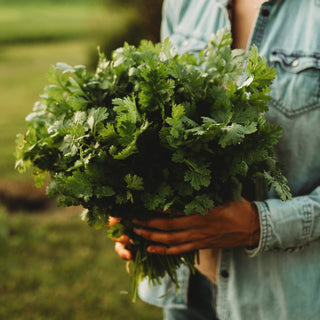
Italian Flat Leaf Parsley is a leafy herb that produces glossy, dark green leaves that are commonly used to season meat, soups and sauces. Although interchangeable, flat leaf parsley is often preferred over curled leaf because it is more flavorful. Parsley also has roots in herbal medicine as both a digestive and urinary aid. Parsley is a biennial in zones 6 to 9 but commonly grown as an annual. 85 to 90 days to harvest. Each packet contains a minimum of 250 seeds.
Petroselinum crispum
Italian Flat Leaf Parsley is a leafy herb that produces glossy, dark green leaves that are commonly used to season meat, soups and sauces. Although interchangeable, flat leaf parsley is often preferred over curled leaf because it is more flavorful. Parsley also has roots in herbal medicine as both a digestive and urinary aid. Parsley is a biennial in zones 6 to 9 but commonly grown as an annual. 85 to 90 days to harvest. Each packet contains a mini... read more
Petroselinum crispum
Italian Flat Leaf Parsley is a leafy herb that produces glossy, dark green leaves that are commonly used to season meat, soups and sauces. Although interchangeable, flat leaf parsley is often preferred over curled leaf because it is more flavorful. Parsley also has roots in herbal medicine as both a digestive and urinary aid. Parsley is a biennial in zones 6 to 9 but commonly grown as an annual. 85 to 90 days to harvest. Each packet contains a minimum of 250 seeds.
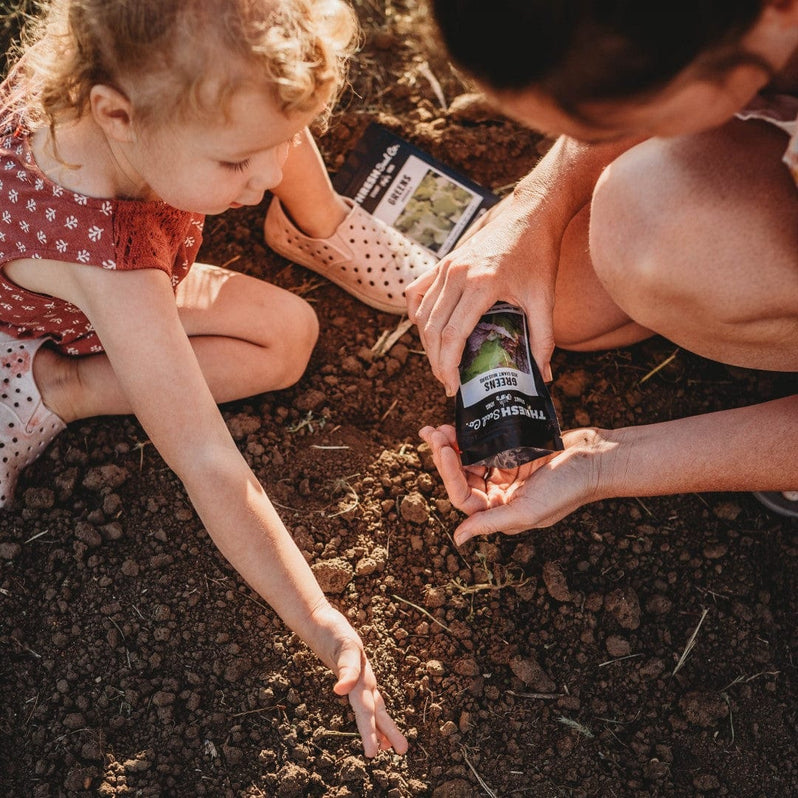
We're seed savers first—and that attitude goes into everything we do. That's why we only offer varieties that are capable of producing true-to-type seed. What's more, our resealable, mylar-lined packaging can be reused when you're ready to harvest your own seed crop.
Parsley thrives in well-draining, nutrient-rich soil with a pH range of 6.0 to 7.0. The soil should be moist but not waterlogged, as parsley can be prone to root rot in excessively wet conditions. Parsley prefers partial shade to full sun, but in hot summer climates, it can benefit from some afternoon shade to prevent wilting. Sow parsley seeds in early spring or fall, as it's a biennial plant that typically goes to seed in its second year.
To plant parsley seeds, first, prepare a well-draining soil mix in a pot or garden bed. Sow the seeds about ¼ inch deep and keep the soil moist but not waterlogged until germination has occurred (up to 3 weeks). When sowing outdoors, we have found that interplanting with fast-maturing radishes improves germination.
Parsley is best transplanted in early spring or fall to a sunny or partly shady location with well-draining soil. Dig a hole deep enough for the root ball, gently remove the plant from its container or soil, and place it in the hole. Backfill with soil, tamp down gently, and water thoroughly. Keep the soil moist but not waterlogged and protect the young plant from harsh sun or wind until it's established.
Insect Pests
Diseases & Other Problems
To harvest parsley, wait until the plant has grown to at least 6 inches tall and has developed several sets of leaves. Cut the outer leaves or entire stems near the base of the plant, leaving a few inches of stem attached. Use the leaves immediately or store them in the refrigerator for up to a week by wrapping them in a damp paper towel and placing them in a plastic bag. To store parsley long-term, dry it by tying a bundle of stems together and hanging it upside down in a dry, well-ventilated area for several weeks. Once dry, remove the leaves from the stems and store them in an airtight container in a cool, dry place for up to a year.
CONSIDERATIONS:
Parsley is a biennial plant that produces flowers in the second year of growth. In cold climates, plants should be mulched with straw or dug and brought indoors to protect them during the coldest months. Once replanted in the second year, plants will begin to flower. Parsley is an outbreeding plant and cross-pollination occurs freely between different varieties of both rooted and unrooted types. It is therefore necessary to plant just one variety or to cage different varieties to prevent pollen contamination. The recommended isolation distance for parsley is 0.5-3 miles.
HARVESTING SEED:
Parsley seed heads shatter easily and may need to be harvested daily to maximize seed yield. Place the mature heads in a paper bag to finish drying, then rub the heads to release the seed. Winnow to remove chaff and store in a cool, dry, and dark place.
SEED LONGETIVITY:
Parsley seeds can remain viable for up to three years when stored properly.
Very happy with the product, shipping was fast, nicely packaged.
Sign up to get the latest on sales, new releases, and more...