We ship to the United States, its territories and outlying islands. Returns are accepted within 30 days of receipt. Full warranty information can be found here.






✓ Plant with Confidence—Guaranteed Through 2027
 Get it between -
Open-pollinated varieties, perfect for seed saving.
Safe seeds, free of neonics and other treatments.
It's simple. If you have a problem, we make it right.
Vigna unguiculata
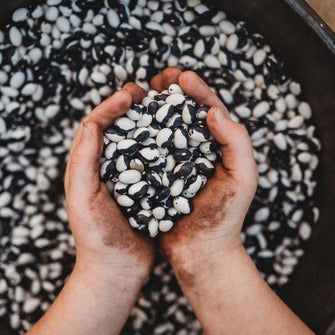
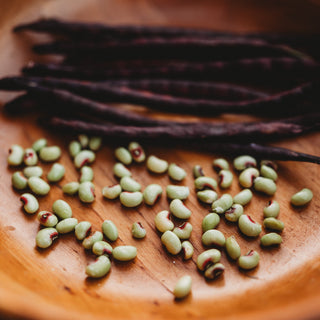
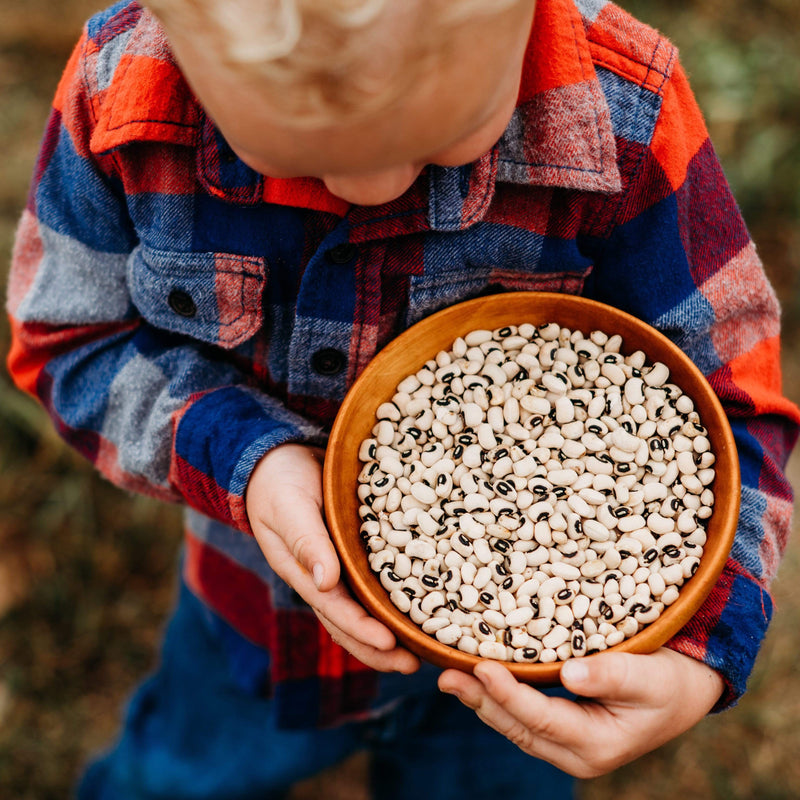
California Blackeye No. 5 is one of the most dependable and productive black eyed pea seeds we grow—and for good reason. This classic heirloom cowpea variety is prized for its early maturity, strong yields, and excellent eating quality.
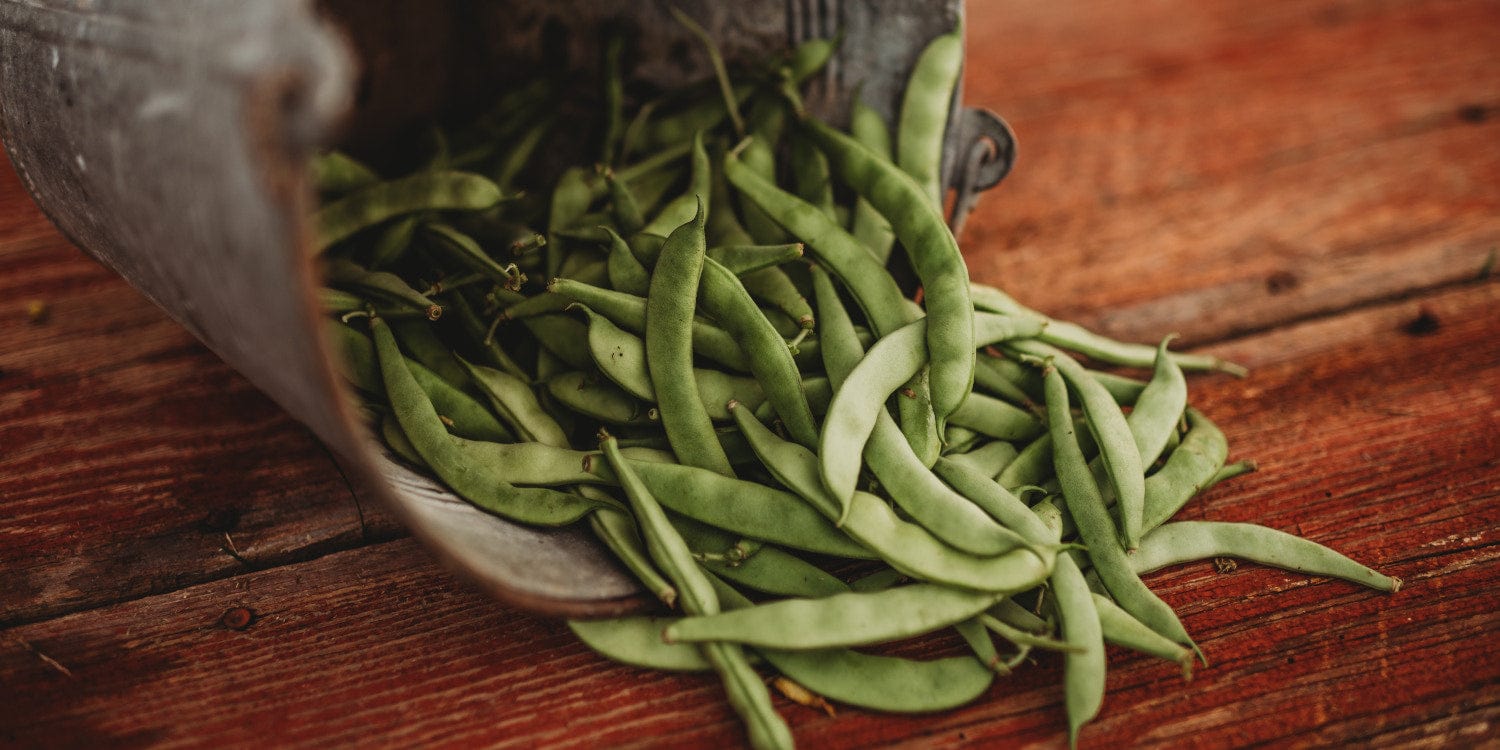
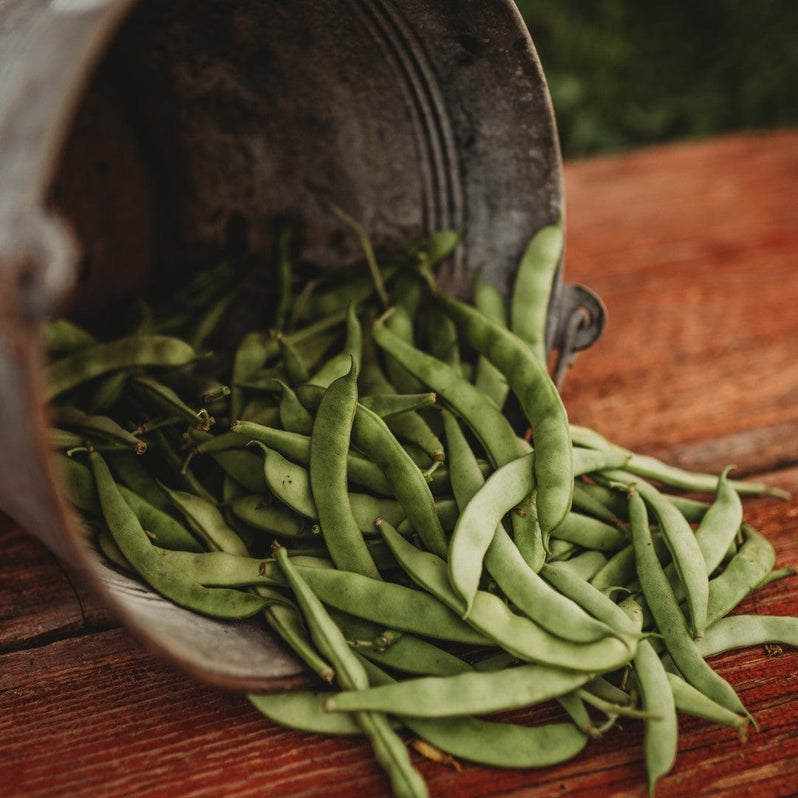
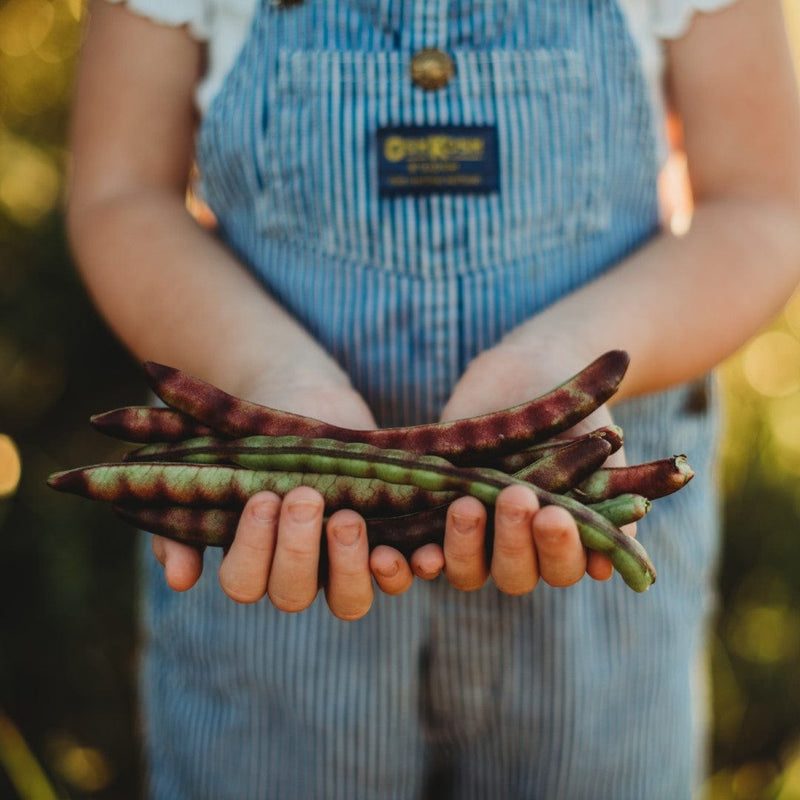
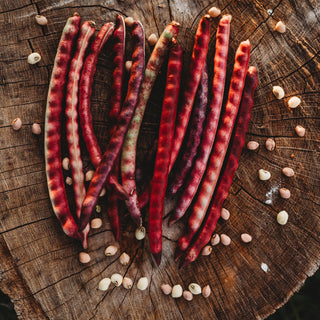
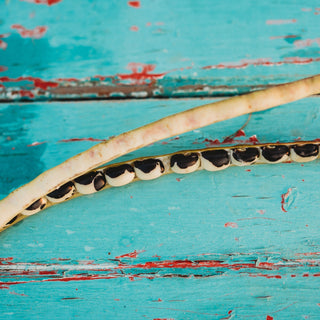
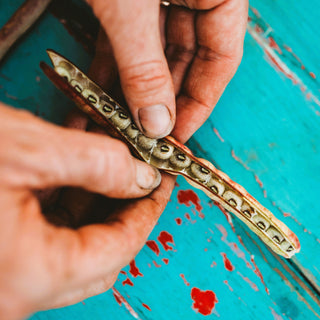
Plants produce vigorous, semi-running vines reaching about 18 inches tall and set abundant 6–8 inch pods packed with medium-large peas. These black eyed peas can be enjoyed fresh as shelling peas or left on the plant to dry for long-term storage. Their subtly sweet flavor and rich, meaty texture make them a favorite for soups, stews, succotash, and traditional Southern dishes.
As one of the most popular cowpea varieties in the United States, California Bl... More
Vigna unguiculata
California Blackeye No. 5 is one of the most dependable and productive black eyed pea seeds we grow—and for good reason. This classic heirloom cowpea variety is prized for its early maturity, strong yields, and excellent eating quality.
Plants produce vigorous, semi-running vines reaching about 18 inches tall and set abundant 6–8 inch pods packed with medium-large peas. These black eyed peas can be enjoyed fresh as shelling peas or left on the plant to dry for long-term storage. Their subtly sweet flavor and rich, meaty texture make them a favorite for soups, stews, succotash, and traditional Southern dishes.
As one of the most popular cowpea varieties in the United States, California Blackeye No. 5 performs especially well in hot, dry summer conditions where common beans may struggle. Produces dependably even in poor soils. If you're looking for reliable, productive black eyed pea seeds with excellent flavor and proven performance, California Blackeye No. 5 remains one of the very best choices. 60-70 days to harvest. Each packet contains a minimum of 50 seeds.
Vigna unguiculata
California Blackeye No. 5 is one of the most dependable and productive black eyed pea seeds we grow—and for good reason. This classic heirloom cowpea variety is prized for its early maturity, strong yields, and excellent eating quality.
Plants produce vigorous, semi-running vines reaching about 18 inches tall and set abundant 6–8 inch pods packed with medium-large peas. These black eyed peas can be enjoyed fresh as shelling peas or left on the plant... read more
Vigna unguiculata
California Blackeye No. 5 is one of the most dependable and productive black eyed pea seeds we grow—and for good reason. This classic heirloom cowpea variety is prized for its early maturity, strong yields, and excellent eating quality.
Plants produce vigorous, semi-running vines reaching about 18 inches tall and set abundant 6–8 inch pods packed with medium-large peas. These black eyed peas can be enjoyed fresh as shelling peas or left on the plant to dry for long-term storage. Their subtly sweet flavor and rich, meaty texture make them a favorite for soups, stews, succotash, and traditional Southern dishes.
As one of the most popular cowpea varieties in the United States, California Blackeye No. 5 performs especially well in hot, dry summer conditions where common beans may struggle. Produces dependably even in poor soils. If you're looking for reliable, productive black eyed pea seeds with excellent flavor and proven performance, California Blackeye No. 5 remains one of the very best choices. 60-70 days to harvest. Each packet contains a minimum of 50 seeds.