




Free Shipping on Orders $35+

Login
Amazon American Express Apple Pay Diners Club Discover Google Pay Mastercard PayPal Shop Pay Venmo Visa
Non-GMO
Supports Family Farms
Heirloom

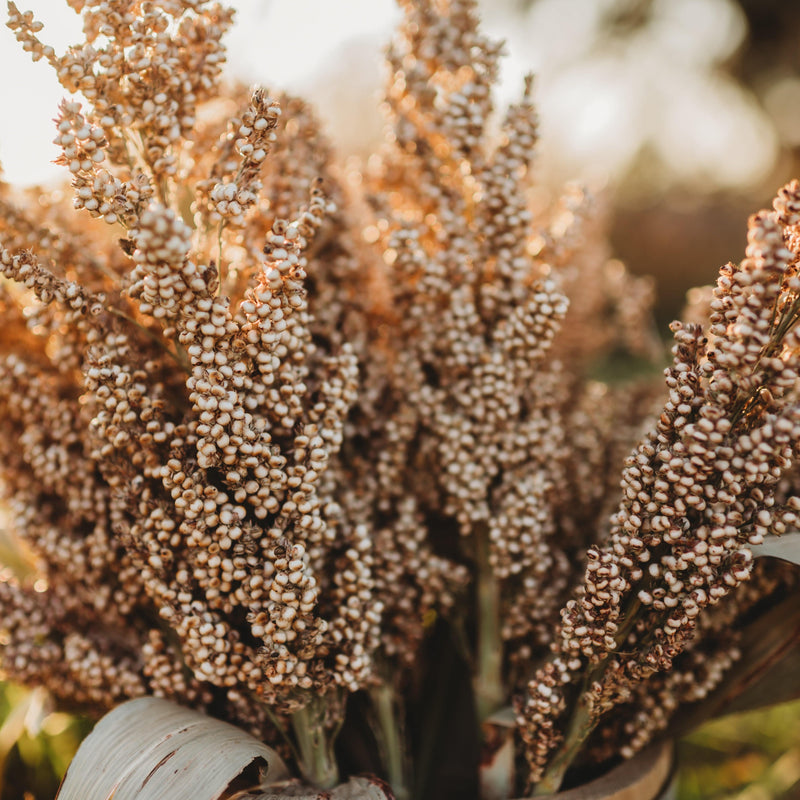
Wheatland Heirloom Grain Sorghum (Milo)

Quick Facts:

  • Heirloom variety from Woodward, OK
  • First offered to farmers in 1931
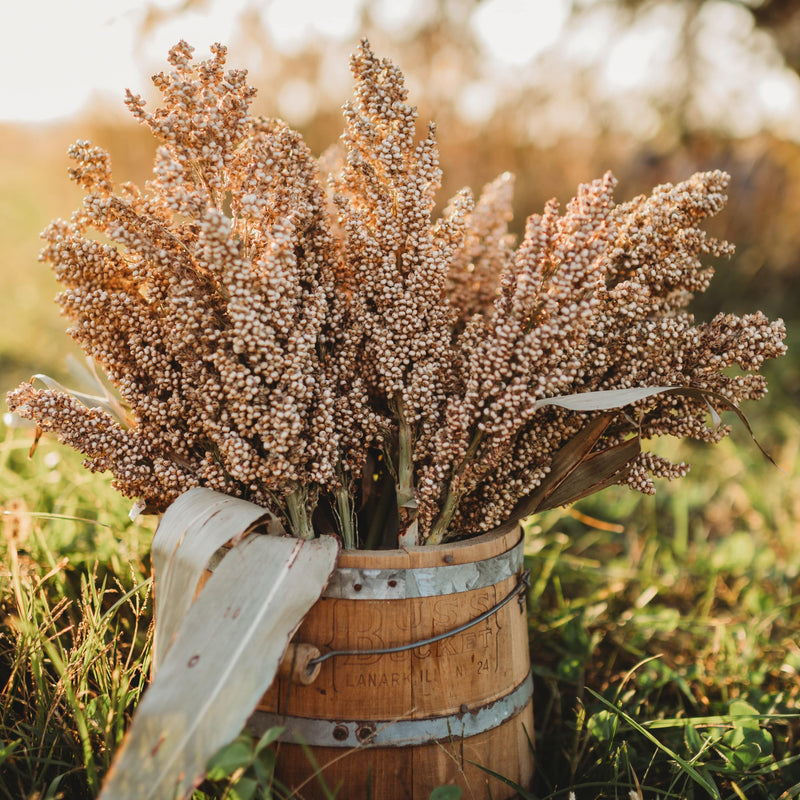
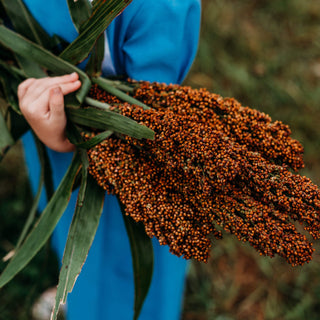
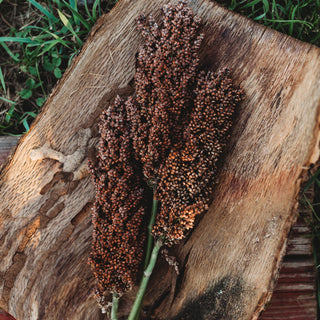
  • Large heads; Round, off-white seeds
  • Second heads when conditions permit
  • Used for flour and livestock feed

View full description

Quantity: 4oz Bulk (~4000 Seeds)

shipping estimated time of arrival Get it between -

We ship to all areas of North America including the United States, its territories and outlying islands, and Canada. International orders may incur an additional charge to cover the handling of customs paperwork. Returns are accepted within 30 days of receipt. Full warranty information can be found here.
Wheatland Heirloom Grain Sorghum/Milo

More about Wheatland

Sorghum bicolor

Wheatland is an heirloom grain sorghum variety developed from a kafir–milo cross made by J. B. Sieglinger at the United States Field Station in Woodward, Oklahoma. First introduced to farmers in 1931, Wheatland was widely grown across Kansas, Oklahoma, and Texas by the late 1930s. Often referred to as milo, this dependable grain sorghum quickly earned a reputation for strong performance and adaptability.

Plants reach 6 to 7 feet tall and produce large, well-filled heads of round, off-white seeds. Under favorable conditions, secondary and even tertiary heads may develop, boosting overall yield. Maturing in approximately 110 days, Wheatland is a productive and reliable choice for home growers and s... More

Less

Sorghum bicolor

Wheatland is an heirloom grain sorghum variety developed from a kafir–milo cross made by J. B. Sieglinger at the United States Field Station in Woodward, Oklahoma. First introduced to farmers in 1931, Wheatland was widely grown across Kansas, Oklahoma, and Texas by the late 1930s. Often referred to as milo, this dependable grain sorghum quickly earned a reputation for strong performance and adaptability.

Plants reach 6 to 7 feet tall and produce large, well-filled heads of round, off-white seeds. Under favorable conditions, secondary and even tertiary heads may develop, boosting overall yield. Maturing in approximately 110 days, Wheatland is a productive and reliable choice for home growers and small-scale grain production.

The harvested seed can be ground into nutritious, naturally gluten-free flour, making it an excellent alternative grain for baking. It is also widely used as livestock feed and is a popular variety for food plots, where its heavy seed production provides excellent forage in late summer and fall. The abundant grain heads readily attract wild fowl and other wildlife. 110 days to harvest.  Each packet contains a minimum of 100 seeds.

At a recommended seeding rate of 30,000 plants per acre:

  • 1 packet plants 50 row-feet
  • 1 ounce plants 1,452 square feet
  • 1 pound plants just over half an acre

Sorghum bicolor

Wheatland is an heirloom grain sorghum variety developed from a kafir–milo cross made by J. B. Sieglinger at the United States Field Station in Woodward, Oklahoma. First introduced to farmers in 1931, Wheatland was widely grown across Kansas, Oklahoma, and Texas by the late 1930s. Often referred to as milo, this dependable grain sorghum quickly earned a reputation for strong performance and adaptability.

Plants reach 6 to 7 feet tall and produce large... read more

read less

Sorghum bicolor

Wheatland is an heirloom grain sorghum variety developed from a kafir–milo cross made by J. B. Sieglinger at the United States Field Station in Woodward, Oklahoma. First introduced to farmers in 1931, Wheatland was widely grown across Kansas, Oklahoma, and Texas by the late 1930s. Often referred to as milo, this dependable grain sorghum quickly earned a reputation for strong performance and adaptability.

Plants reach 6 to 7 feet tall and produce large, well-filled heads of round, off-white seeds. Under favorable conditions, secondary and even tertiary heads may develop, boosting overall yield. Maturing in approximately 110 days, Wheatland is a productive and reliable choice for home growers and small-scale grain production.

The harvested seed can be ground into nutritious, naturally gluten-free flour, making it an excellent alternative grain for baking. It is also widely used as livestock feed and is a popular variety for food plots, where its heavy seed production provides excellent forage in late summer and fall. The abundant grain heads readily attract wild fowl and other wildlife. 110 days to harvest.  Each packet contains a minimum of 100 seeds.

At a recommended seeding rate of 30,000 plants per acre:

  • 1 packet plants 50 row-feet
  • 1 ounce plants 1,452 square feet
  • 1 pound plants just over half an acre
Boy holding slice of watermelon
Kids eating watermelon

How to Grow Sorghum

Sorghum thrives in well-drained soils with a pH range of 6.0-7.5 and requires full sun for optimal growth. It can tolerate a wide range of soils, including sandy or clay soils, but performs best in loamy soils with good fertility. Sorghum is a warm-season crop and requires a minimum soil temperature of 60°F for germination. It is drought-tolerant and can grow in areas with low rainfall, but it also benefits from regular irrigation during dry periods. Soil preparation should include weed control measures, and adequate nutrients, particularly nitrogen, should be provided for optimal growth and yield.

After danger of frost has passed, sow seeds 4" apart, 1/2" deep in rows 30" apart. Under ideal conditions, germination will occur in 7-10 days.  Once seedlings are established, thin to one plant every 8".

Not recommended

Insect Pests

Common pests of sorghum include the sorghum midge, lesser cornstalk borer, fall armyworm, headworms , chinch bugs and stink bugs. Rotating crops and practicing proper tillage and/or fall cleanup can prevent infestations and keep populations at bay.

Diseases & Other Problems

Sorghum is susceptible to various diseases, including anthracnose, grain mold, and smut, which can cause severe damage to the plant. Other problems that can affect sorghum include nutrient deficiencies, weed competition, and environmental stress. To prevent and manage these issues, it is essential to maintain proper plant health by providing adequate nutrition, irrigation, and pest control measures. Crop rotation and selecting disease-resistant varieties can also be effective strategies to minimize the impact of diseases and other problems on sorghum crops.

Cane sorghum to be used for syrup is usually harvested when the seeds reach the hard dough stage, which typically occurs the seed heads start to change from white to amber. At this point if you pinch a seed between your fingers, you shouldn’t be able to crush it. For grain sorghum, or syrup varieties that are being grown for seed, harvest typically occurs when the seed reaches physical maturity. At this stage, the plants will be a dusty green color and the heads will be dark amber brown. Cut the plants about 1ft below the head and store the seed heads right side up in a bucket or tote until they are totally dry. Avoid threshing the heads until they are completely dry or the seed will mold. To remove the seeds, rub the seed head between your hands to release the seeds. Winnow to remove any debris and store in an airtight container.

CONSIDERATIONS:

Sorghum is an inbreeding plant, with self-fertile flowers that typically self-pollinate. Cross-pollination is technically possible but is rare. To ensure varietal integrity, bag heads prior to pollination using waterproof paper pollination bags or mesh bags. Bags can also be left on until harvest to minimize bird predation.

HARVESTING SEED:

Wait until plants reach physical maturity and the seeds have turned a dark, amber brown color. Cut the plants about 1ft below the head and store the seed heads right side up in a bucket or tote until they are totally dry. Avoid threshing the heads until they are completely dry or the seed will mold. To remove the seeds, rub the seed head between your hands to release the seeds. Winnow to remove any debris and store in an airtight container.

SEED LONGETIVITY:

Sorghum seeds remain viable for four years if stored under ideal conditions.

Wheatland Heirloom Grain Sorghum/Milo

Search