We ship to the United States, its territories and outlying islands. Returns are accepted within 30 days of receipt. Full warranty information can be found here.

Free Shipping on Orders $35+
✓ Plant with Confidence—Guaranteed Through 2027
Get it between -
We ship to the United States, its territories and outlying islands. Returns are accepted within 30 days of receipt. Full warranty information can be found here.
We guarantee our seed to be fresh, vigorous, untreated, and true to variety.
Each packet is guaranteed through the year printed on the packet, plus one full additional growing year.
If your seeds fail to germinate, arrive damaged, or do not grow true to type, please contact us and we will make it right through replacement seed, store credit, or refund when appropriate.
Full warranty policy here.
Open-pollinated varieties, perfect for seed saving.
Safe seeds, free of neonics and other treatments.
It's simple. If you have a problem, we make it right.
Sorghum bicolor
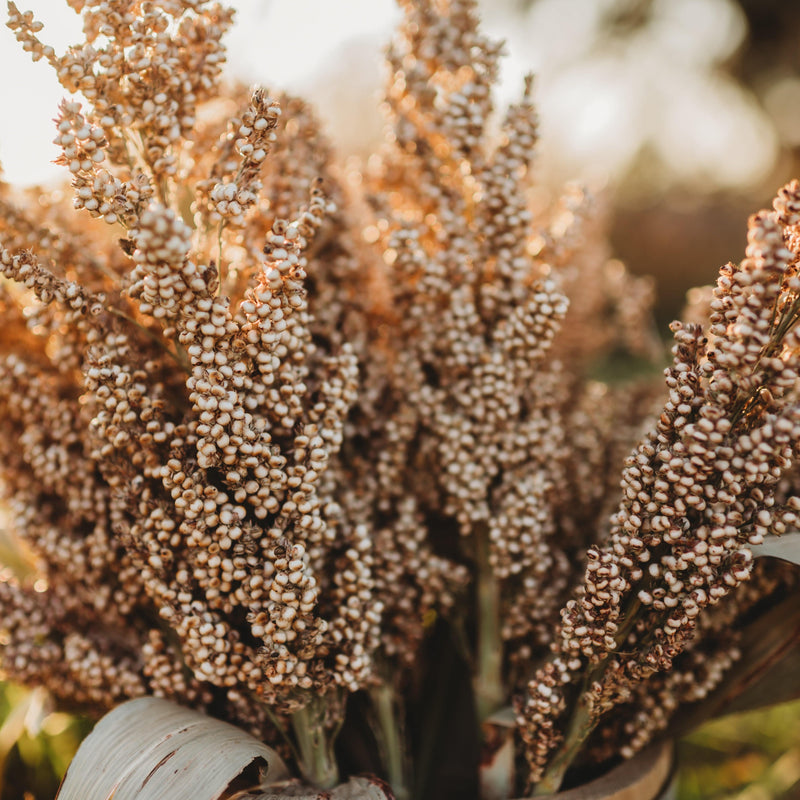
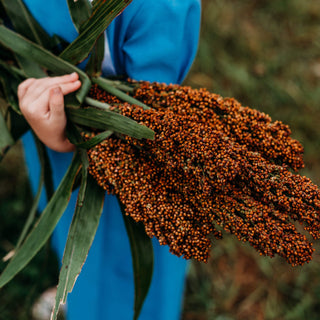
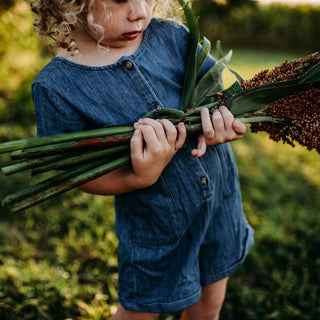
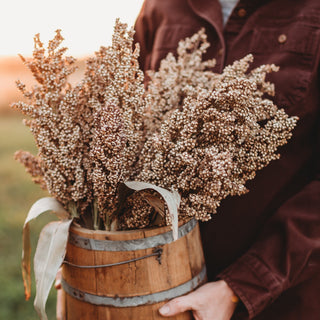
Dale is a popular sorghum variety developed in 1970 for use in syrup production. Ten to twelve-foot-tall plants produce dense stalks with chalky white centers and high sugar content. To make syrup, stalks are fed through a press, releasing a sugary juice which is then cooked down into a sweet syrup. Sorghum Syrup has a sweet, molasses-like flavor and is traditionally served on hot biscuits, pancakes, and grits. A good, homegrown alternative to cane sugar for those looking to maximize self-sufficiency. Dale is leaf anthracnose and stalk rot resistant. 110 days to harvest. A packet contains a minimum of 100 seeds.
Sorghum bicolor
Dale is a popular sorghum variety developed in 1970 for use in syrup production. Ten to twelve-foot-tall plants produce dense stalks with chalky white centers and high sugar content. To make syrup, stalks are fed through a press, releasing a sugary juice which is then cooked down into a sweet syrup. Sorghum Syrup has a sweet, molasses-like flavor and is traditionally served on hot biscuits, pancakes, and grits. A good, homegrown alternative to cane sugar... read more
Sorghum bicolor
Dale is a popular sorghum variety developed in 1970 for use in syrup production. Ten to twelve-foot-tall plants produce dense stalks with chalky white centers and high sugar content. To make syrup, stalks are fed through a press, releasing a sugary juice which is then cooked down into a sweet syrup. Sorghum Syrup has a sweet, molasses-like flavor and is traditionally served on hot biscuits, pancakes, and grits. A good, homegrown alternative to cane sugar for those looking to maximize self-sufficiency. Dale is leaf anthracnose and stalk rot resistant. 110 days to harvest. A packet contains a minimum of 100 seeds.
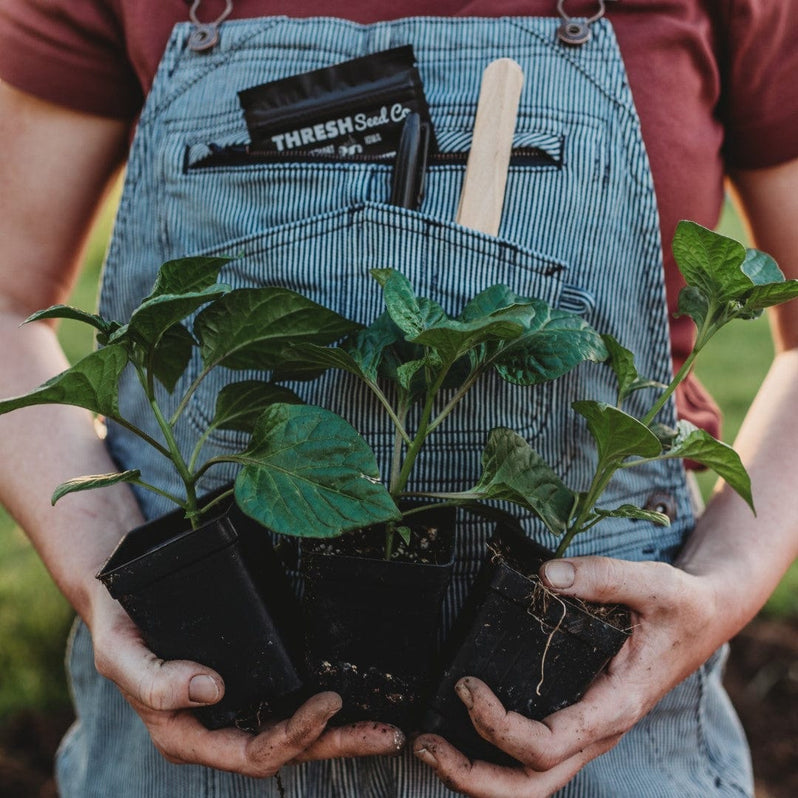
Sweat on your brow, hands in the dirt, and a smile on your face. You aren't afraid of a little hard work, and we're here to ensure that your efforts are rewarded. You can rest assured that our top-quality seeds from dependable, time-tested varieties will have you reaping more than just satisfaction from your hard day's work.
Sorghum thrives in well-drained soils with a pH range of 6.0-7.5 and requires full sun for optimal growth. It can tolerate a wide range of soils, including sandy or clay soils, but performs best in loamy soils with good fertility. Sorghum is a warm-season crop and requires a minimum soil temperature of 60°F for germination. It is drought-tolerant and can grow in areas with low rainfall, but it also benefits from regular irrigation during dry periods. Soil preparation should include weed control measures, and adequate nutrients, particularly nitrogen, should be provided for optimal growth and yield.
After danger of frost has passed, sow seeds 4" apart, 1/2" deep in rows 30" apart. Under ideal conditions, germination will occur in 7-10 days. Once seedlings are established, thin to one plant every 8".
Not recommended
Insect Pests
Common pests of sorghum include the sorghum midge, lesser cornstalk borer, fall armyworm, headworms , chinch bugs and stink bugs. Rotating crops and practicing proper tillage and/or fall cleanup can prevent infestations and keep populations at bay.
Diseases & Other Problems
Sorghum is susceptible to various diseases, including anthracnose, grain mold, and smut, which can cause severe damage to the plant. Other problems that can affect sorghum include nutrient deficiencies, weed competition, and environmental stress. To prevent and manage these issues, it is essential to maintain proper plant health by providing adequate nutrition, irrigation, and pest control measures. Crop rotation and selecting disease-resistant varieties can also be effective strategies to minimize the impact of diseases and other problems on sorghum crops.
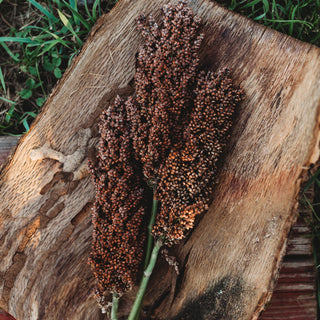
Cane sorghum to be used for syrup is usually harvested when the seeds reach the hard dough stage, which typically occurs the seed heads start to change from white to amber. At this point if you pinch a seed between your fingers, you shouldn’t be able to crush it. For grain sorghum, or syrup varieties that are being grown for seed, harvest typically occurs when the seed reaches physical maturity. At this stage, the plants will be a dusty green color and the heads will be dark amber brown. Cut the plants about 1ft below the head and store the seed heads right side up in a bucket or tote until they are totally dry. Avoid threshing the heads until they are completely dry or the seed will mold. To remove the seeds, rub the seed head between your hands to release the seeds. Winnow to remove any debris and store in an airtight container.
CONSIDERATIONS:
Sorghum is an inbreeding plant, with self-fertile flowers that typically self-pollinate. Cross-pollination is technically possible but is rare. To ensure varietal integrity, bag heads prior to pollination using waterproof paper pollination bags or mesh bags. Bags can also be left on until harvest to minimize bird predation.
HARVESTING SEED:
Wait until plants reach physical maturity and the seeds have turned a dark, amber brown color. Cut the plants about 1ft below the head and store the seed heads right side up in a bucket or tote until they are totally dry. Avoid threshing the heads until they are completely dry or the seed will mold. To remove the seeds, rub the seed head between your hands to release the seeds. Winnow to remove any debris and store in an airtight container.
SEED LONGETIVITY:
Sorghum seeds remain viable for four years if stored under ideal conditions.
Came fast… was super easy to order.
Most everything came up
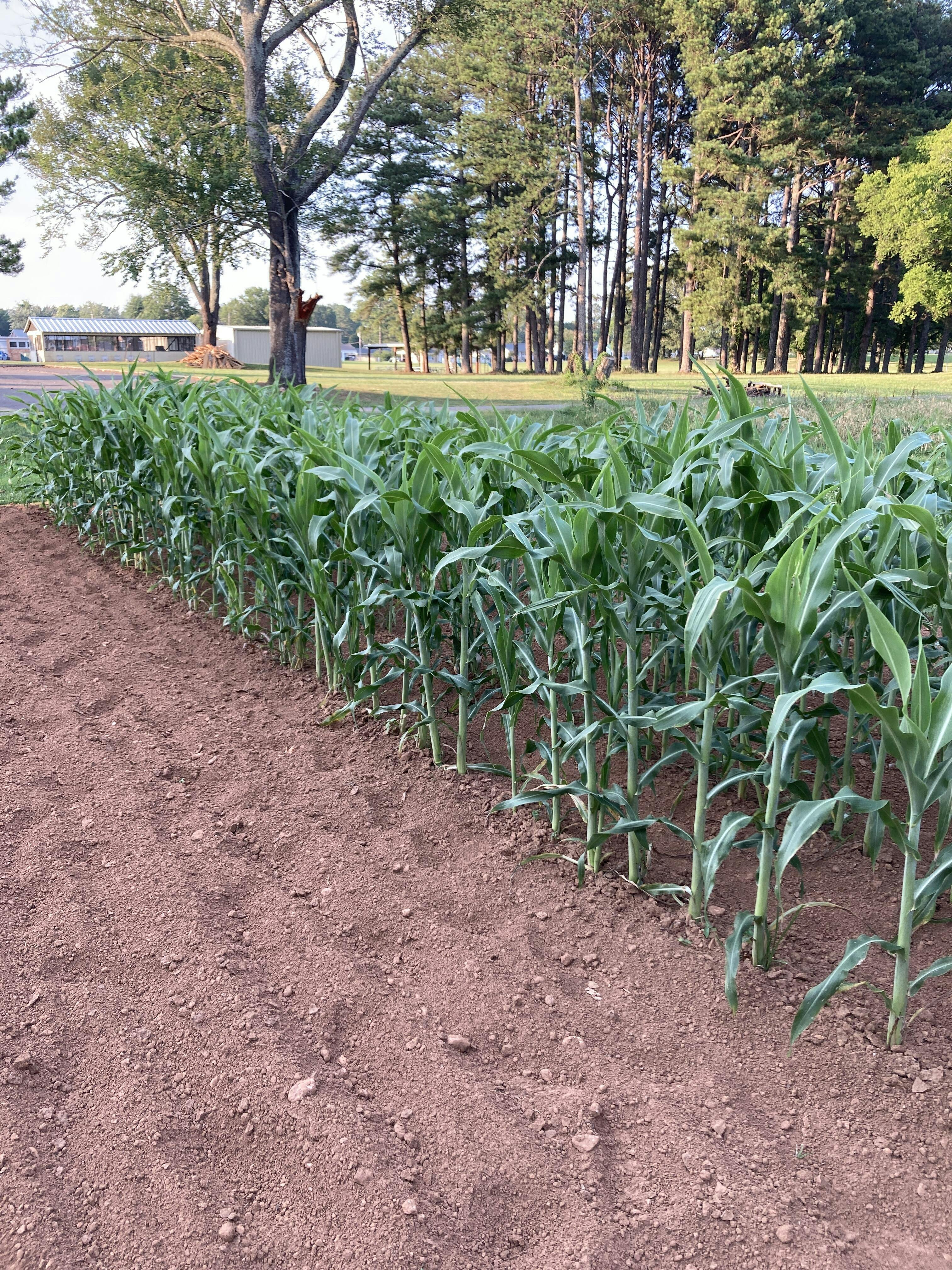
Giving a first review. Planted the sorghum right into last year's pig area. Planted according to the packages and I have 98% germination. Nice full rows of seedlings growing. I had a few volunteer pumpkins starts that must be from the pumpkins the pigs got last year. Going to let all grow together. Using feeder pigs to kill the weeds and turn over a 30' x 70' plot each year. I will update on the amount of Syrup we get this fall.
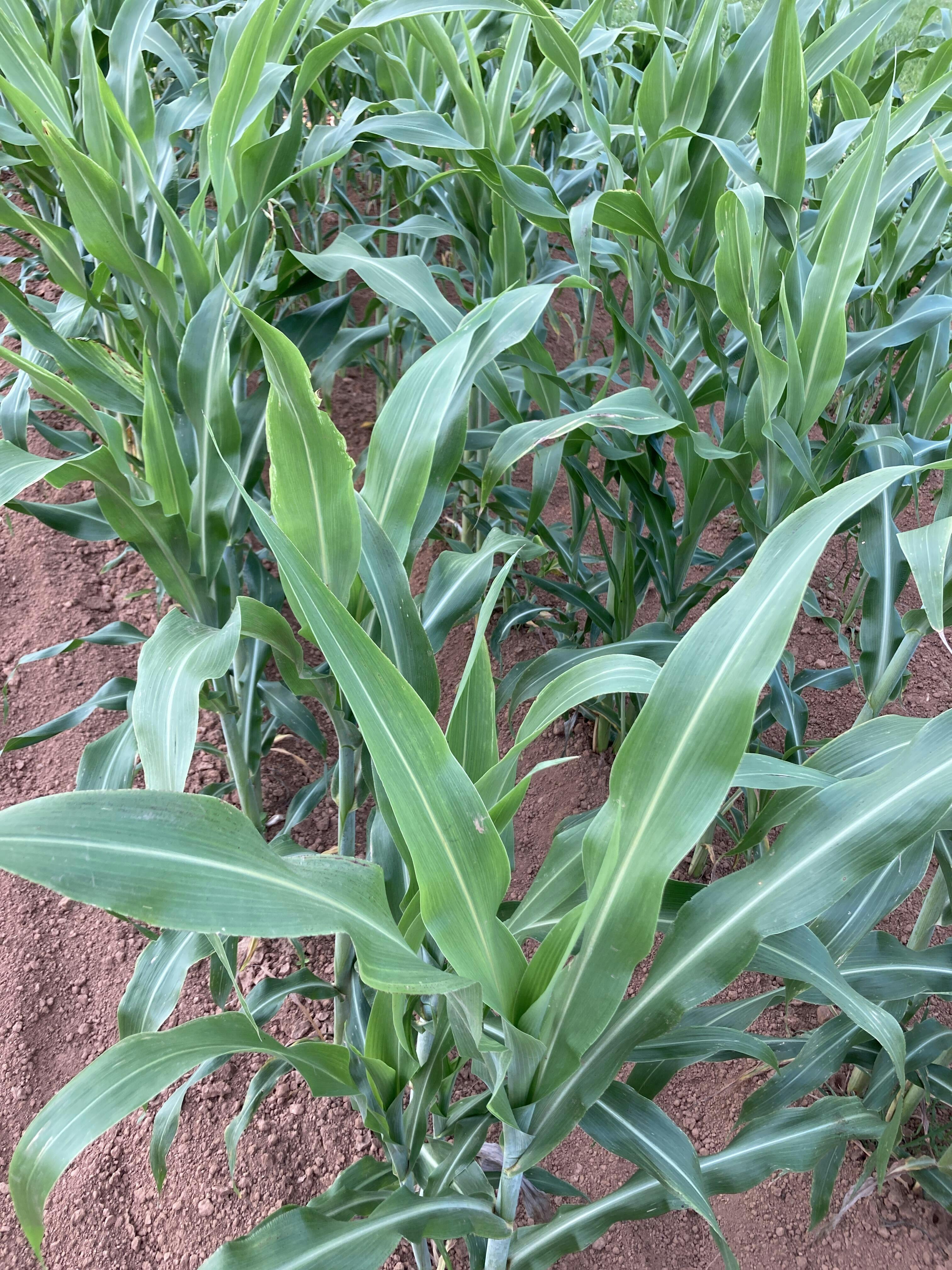
About 60 days in. Got a good stand and plants are about 5 feet tall. About 100 degrees here this week in NW Alabama and plants are looking good. First time growing sorghum. Every around here thinks it’s corn. Very pleased with the seeds & service.
Fast was the delivery and nice packaging. I will plant seed this somer. Thankyou
Sign up to get the latest on sales, new releases, and more...