We ship to the United States, its territories and outlying islands. Returns are accepted within 30 days of receipt. Full warranty information can be found here.






✓ Plant with Confidence—Guaranteed Through 2027
 Get it between -
Open-pollinated varieties, perfect for seed saving.
Safe seeds, free of neonics and other treatments.
It's simple. If you have a problem, we make it right.
Artemisia dracunculoides
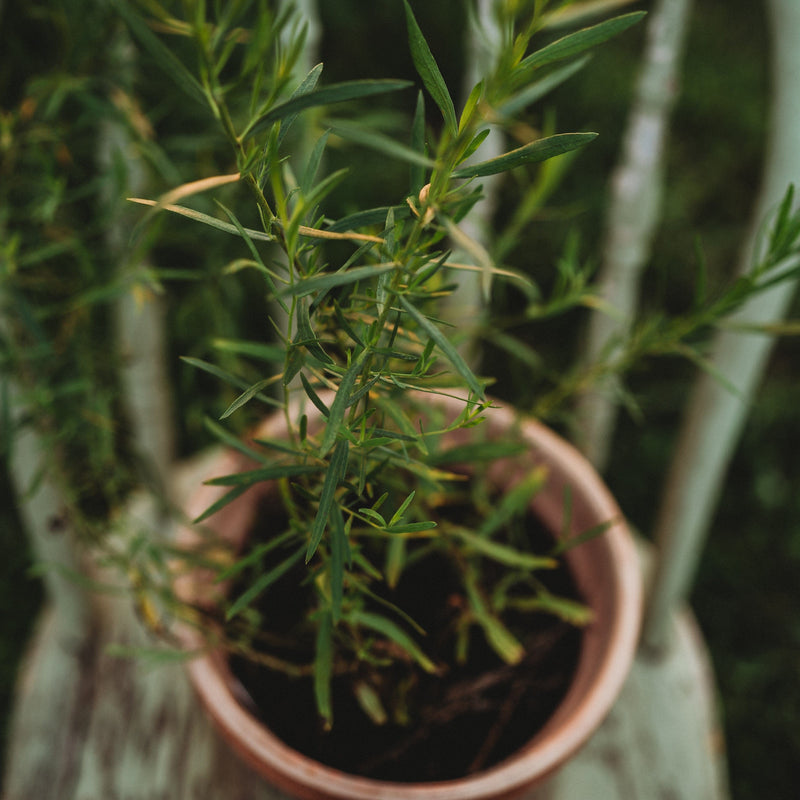
Russian Tarragon is a relative of the more popular French Tarragon that, unlike its French cousin, is quite easy to start from seed. Russian Tarragon has a bit of a polarizing reputation. If you are fond of the strong, anise-like flavor that French Tarragon imparts to your dishes, you will likely consider this Russian type a tarragon imposter. However, if you are not a fan of aniseed or licorice-type flavors but are looking for an easy-to-grow herb to add a subtle punch to your dishes, you may find Russian Tarragon a more pleasant alternative.
Russian Tarragon is a vigorous, woody perennial that grows 3 to 5-feet tall if overwintered. Originating from Russia, it is quite cold-toleran... More
Artemisia dracunculoides
Russian Tarragon is a relative of the more popular French Tarragon that, unlike its French cousin, is quite easy to start from seed. Russian Tarragon has a bit of a polarizing reputation. If you are fond of the strong, anise-like flavor that French Tarragon imparts to your dishes, you will likely consider this Russian type a tarragon imposter. However, if you are not a fan of aniseed or licorice-type flavors but are looking for an easy-to-grow herb to add a subtle punch to your dishes, you may find Russian Tarragon a more pleasant alternative.
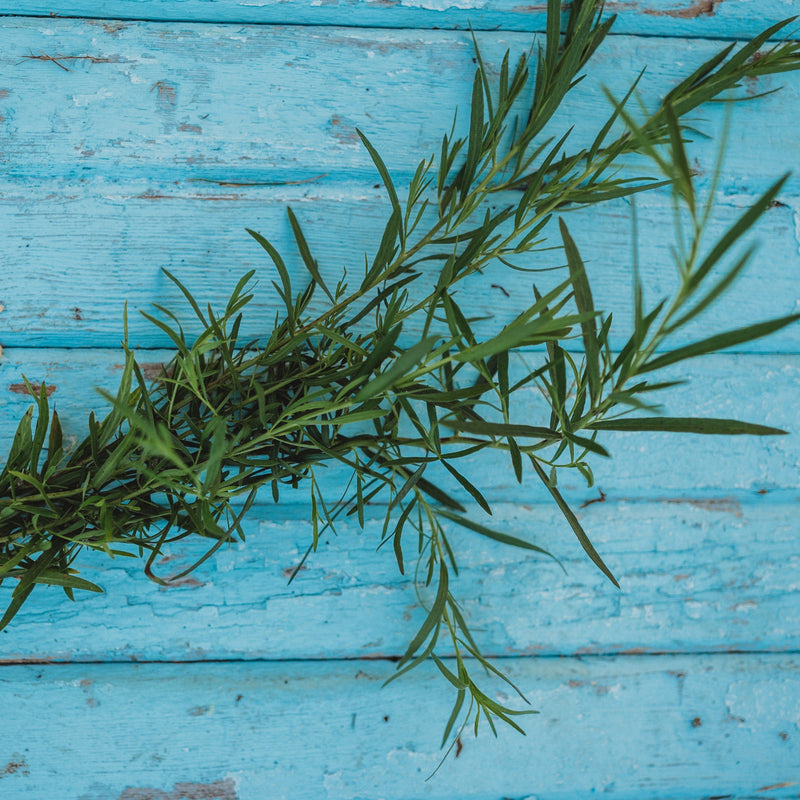
Russian Tarragon is a vigorous, woody perennial that grows 3 to 5-feet tall if overwintered. Originating from Russia, it is quite cold-tolerant and can endure even the most severe freezes. Russian Tarragon's thin, spiky, medium green leaves have an earthy, almost sage-like flavor with very subtle anise undertones. They are well-suited for using in salads and soups, and for making sauces and marinades to season meat. Due to its vigorous nature, Russian Tarragon is reported by some to have weedy tendencies. Trim spent flowers if spreading is a concern. Rhizome growth is quite manageable. Approximately 70-80 days to harvest. Each packet contains a minimum of 250 seeds.
Artemisia dracunculoides
Russian Tarragon is a relative of the more popular French Tarragon that, unlike its French cousin, is quite easy to start from seed. Russian Tarragon has a bit of a polarizing reputation. If you are fond of the strong, anise-like flavor that French Tarragon imparts to your dishes, you will likely consider this Russian type a tarragon imposter. However, if you are not a fan of aniseed or licorice-type flavors but are looking for an easy-to-grow he... read more
Artemisia dracunculoides
Russian Tarragon is a relative of the more popular French Tarragon that, unlike its French cousin, is quite easy to start from seed. Russian Tarragon has a bit of a polarizing reputation. If you are fond of the strong, anise-like flavor that French Tarragon imparts to your dishes, you will likely consider this Russian type a tarragon imposter. However, if you are not a fan of aniseed or licorice-type flavors but are looking for an easy-to-grow herb to add a subtle punch to your dishes, you may find Russian Tarragon a more pleasant alternative.
Russian Tarragon is a vigorous, woody perennial that grows 3 to 5-feet tall if overwintered. Originating from Russia, it is quite cold-tolerant and can endure even the most severe freezes. Russian Tarragon's thin, spiky, medium green leaves have an earthy, almost sage-like flavor with very subtle anise undertones. They are well-suited for using in salads and soups, and for making sauces and marinades to season meat. Due to its vigorous nature, Russian Tarragon is reported by some to have weedy tendencies. Trim spent flowers if spreading is a concern. Rhizome growth is quite manageable. Approximately 70-80 days to harvest. Each packet contains a minimum of 250 seeds.