We ship to the United States, its territories and outlying islands. Returns are accepted within 30 days of receipt. Full warranty information can be found here.

Free Shipping on Orders $35+
✓ Plant with Confidence—Guaranteed Through 2027
Get it between -
We ship to the United States, its territories and outlying islands. Returns are accepted within 30 days of receipt. Full warranty information can be found here.
We guarantee our seed to be fresh, vigorous, untreated, and true to variety.
Each packet is guaranteed through the year printed on the packet, plus one full additional growing year.
If your seeds fail to germinate, arrive damaged, or do not grow true to type, please contact us and we will make it right through replacement seed, store credit, or refund when appropriate.
Full warranty policy here.
Open-pollinated varieties, perfect for seed saving.
Safe seeds, free of neonics and other treatments.
It's simple. If you have a problem, we make it right.
Brassica rapa
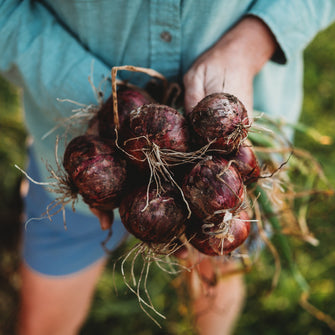
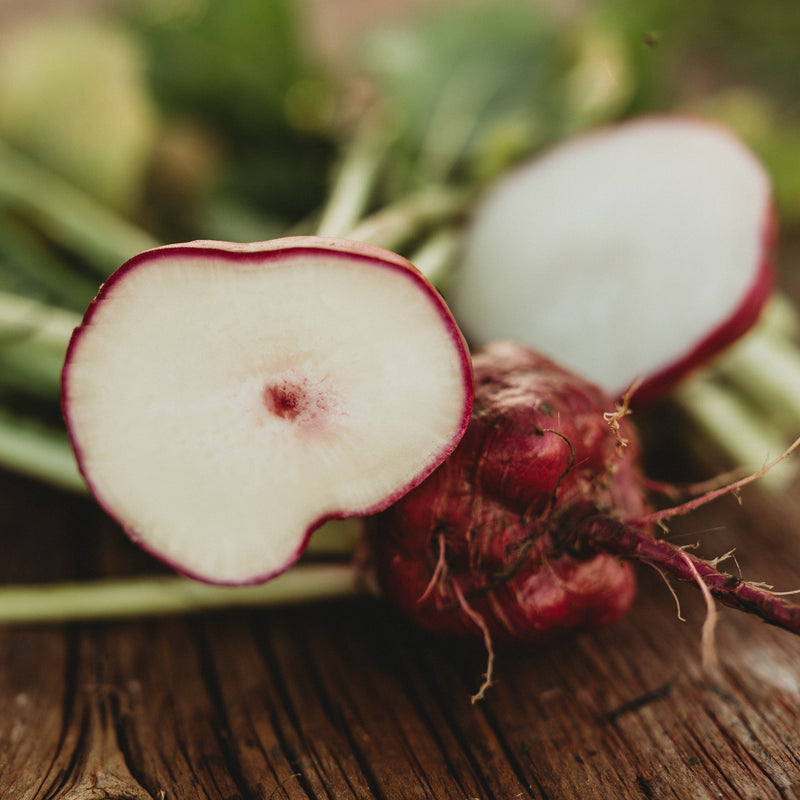
Hida Beni Turnip, also known as Hidabeni, is a striking Japanese heirloom renowned for its vibrant magenta skin and crisp white flesh. This variety originates from the Hida region in Gifu Prefecture, Japan, where it has been traditionally cultivated. In fact, the name "Hidabeni" combines "Hida" (the region) and "beni," a term referring to a red pigment derived from safflower petals, an indication of the turnip's red color. The roots are small, round, and slightly flattened, offering a mild, slightly sweet flavor with a tender texture. Ideal for fresh consumption, pickling, or light cooking, Hida Beni Turnip matures quickly and thrives in cool seasons, adding both visual appeal and flavor to the garden and... More
Brassica rapa
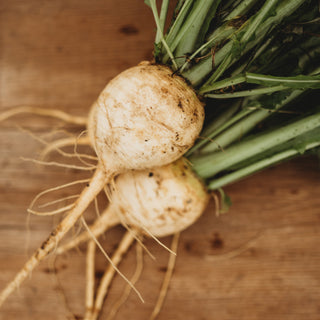
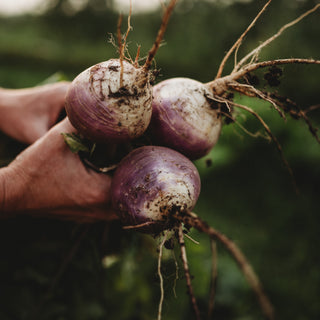
Hida Beni Turnip, also known as Hidabeni, is a striking Japanese heirloom renowned for its vibrant magenta skin and crisp white flesh. This variety originates from the Hida region in Gifu Prefecture, Japan, where it has been traditionally cultivated. In fact, the name "Hidabeni" combines "Hida" (the region) and "beni," a term referring to a red pigment derived from safflower petals, an indication of the turnip's red color. The roots are small, round, and slightly flattened, offering a mild, slightly sweet flavor with a tender texture. Ideal for fresh consumption, pickling, or light cooking, Hida Beni Turnip matures quickly and thrives in cool seasons, adding both visual appeal and flavor to the garden and table.
Brassica rapa
Hida Beni Turnip, also known as Hidabeni, is a striking Japanese heirloom renowned for its vibrant magenta skin and crisp white flesh. This variety originates from the Hida region in Gifu Prefecture, Japan, where it has been traditionally cultivated. In fact, the name "Hidabeni" combines "Hida" (the region) and "beni," a term referring to a red pigment derived from safflower petals, an indication of the turnip's red color. The roots are small, round, and sligh... read more
Brassica rapa
Hida Beni Turnip, also known as Hidabeni, is a striking Japanese heirloom renowned for its vibrant magenta skin and crisp white flesh. This variety originates from the Hida region in Gifu Prefecture, Japan, where it has been traditionally cultivated. In fact, the name "Hidabeni" combines "Hida" (the region) and "beni," a term referring to a red pigment derived from safflower petals, an indication of the turnip's red color. The roots are small, round, and slightly flattened, offering a mild, slightly sweet flavor with a tender texture. Ideal for fresh consumption, pickling, or light cooking, Hida Beni Turnip matures quickly and thrives in cool seasons, adding both visual appeal and flavor to the garden and table.
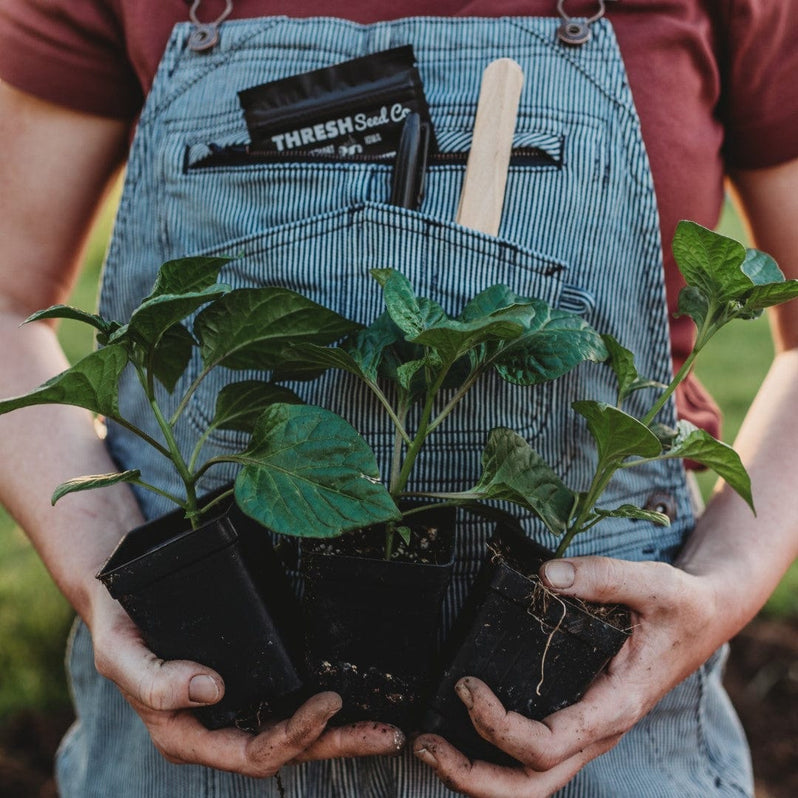
Sweat on your brow, hands in the dirt, and a smile on your face. You aren't afraid of a little hard work, and we're here to ensure that your efforts are rewarded. You can rest assured that our top-quality seeds from dependable, time-tested varieties will have you reaping more than just satisfaction from your hard day's work.
Turnips grow best in well-draining, fertile soil with a pH of 6.0 to 7.5. They prefer full sun exposure but can tolerate partial shade. The soil should be kept consistently moist, but not waterlogged, and regular fertilization can be beneficial. Turnips can be grown in a variety of soil types, but sandy loam or loamy soil with high organic matter content is ideal. Turnips perform best when grown in spring or fall. Roots that mature in cold weather are sweeter and more tender.
Sow seed outdoors as soon as soil can be worked. Plant seeds 1/4" deep, 1" apart in rows 18-24" apart. After germination has occurred (5-7 days) thin to one plant every 4-6". For fall harvest, start seeds approximately two months before the first frost.
Not recommended
Insect Pests
The most common insect pests that affect turnips are flea beetles, root maggots, and aphids. Flea beetles chew small holes in the leaves, while root maggots cause damage to the root system. Aphids suck the sap from the leaves and can stunt growth. Crop rotation and the use of row covers can help prevent infestations, while insecticidal soap or neem oil can be used to control an outbreak.
Diseases & Other Problems
Turnip is susceptible to a number of diseases, including clubroot, black rot, and powdery mildew, but is generally healthy and easy-to-grow. Rotating crops and practicing proper tillage or clearing the site of debris at the end of the growing season will prevent disease. Additionally, adequate soil drainage and air circulation can help reduce the risk of disease development.
Turnips are typically ready to harvest 30-60 days after planting. Gently pull up the plants by the leaves or use a digging fork to loosen the soil around the roots. Trim off the tops, leaving a short stem to prevent rot. Brush off any excess dirt and store the turnips in a cool, humid place such as a root cellar or refrigerator crisper drawer. Turnips can last up to 4 months in storage.
CONSIDERATIONS:
Turnips are outbreeding plants with a self-incompatibility mechanism that prevents self-pollination. Insects perform the predominant amount of pollination. Turnips belong to the Brassica rapa species and can cross-pollinate with any other members of the species, including Chinese cabbage, mustard, broccoli raab, and pak choi. Isolate by one mile or alternatively cage plants and use introduced pollinators to perform the pollination.
HARVESTING SEED:
After flowering, the seed heads should be left on the plant until they have dried and turned brown. Cut the seed heads and lay flat on a tarp until completely dried. Once the siliques have dried, place stalks in a bag and stomp on them to release the seed. Winnow to separate the seed from the chaff and store seeds in an airtight container.
SEED LONGETIVITY:
Turnip seeds remain viable or five years when stored under ideal conditions.
Sign up to get the latest on sales, new releases, and more...