We ship to the United States, its territories and outlying islands. Returns are accepted within 30 days of receipt. Full warranty information can be found here.

Free Shipping on Orders $35+
✓ Plant with Confidence—Guaranteed Through 2027
Get it between -
We ship to the United States, its territories and outlying islands. Returns are accepted within 30 days of receipt. Full warranty information can be found here.
We guarantee our seed to be fresh, vigorous, untreated, and true to variety.
Each packet is guaranteed through the year printed on the packet, plus one full additional growing year.
If your seeds fail to germinate, arrive damaged, or do not grow true to type, please contact us and we will make it right through replacement seed, store credit, or refund when appropriate.
Full warranty policy here.
Open-pollinated varieties, perfect for seed saving.
Safe seeds, free of neonics and other treatments.
It's simple. If you have a problem, we make it right.
Pisum sativum
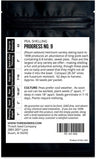
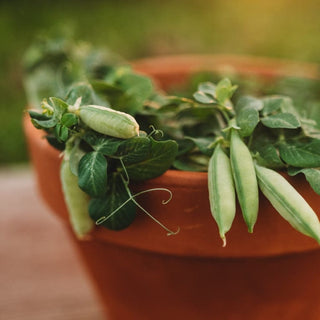
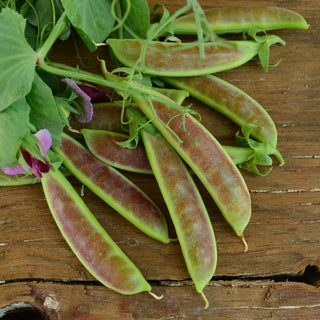
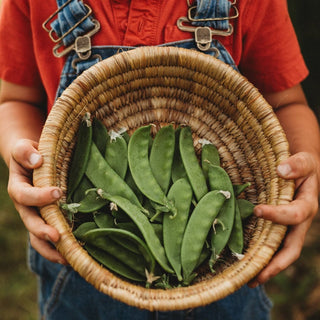
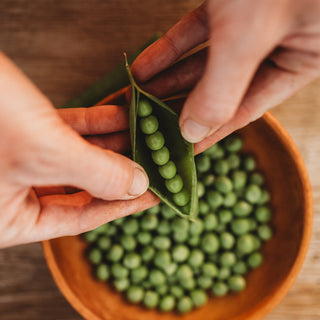
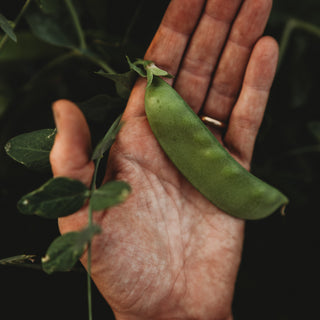
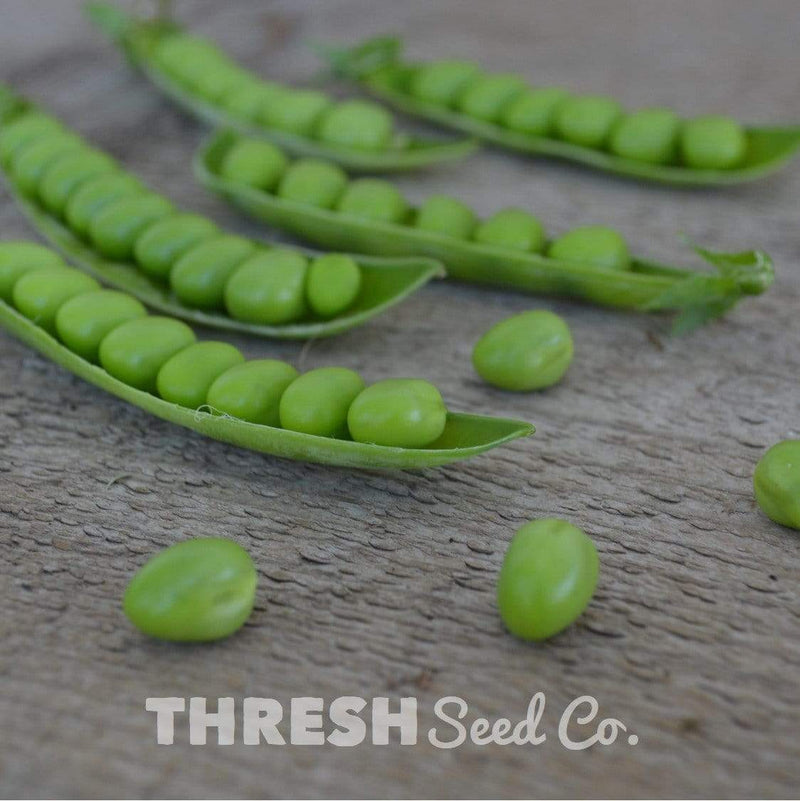
Progress No. 9 is an heirloom variety dating back to 1898 that produces an abundance of long pods each containing six to eight tender, sweet peas. Peas are the largest of any variety we offer, making shelling a fun and productive activity. Note, however, that these peas are so tasty and sweet that they might not all make it into the bowl. Compact 28 to 34-inch vines are Fusarium resistant. Harvests begin approximately 62 days after sowing. Each packet contains a minimum of 50 seeds.
Pisum sativum
Progress No. 9 is an heirloom variety dating back to 1898 that produces an abundance of long pods each containing six to eight tender, sweet peas. Peas are the largest of any variety we offer, making shelling a fun and productive activity. Note, however, that these peas are so tasty and sweet that they might not all make it into the bowl. Compact 28 to 34-inch vines are Fusarium resistant. Harvests begin approximately 62 days after sowing. Each packet con... read more
Pisum sativum
Progress No. 9 is an heirloom variety dating back to 1898 that produces an abundance of long pods each containing six to eight tender, sweet peas. Peas are the largest of any variety we offer, making shelling a fun and productive activity. Note, however, that these peas are so tasty and sweet that they might not all make it into the bowl. Compact 28 to 34-inch vines are Fusarium resistant. Harvests begin approximately 62 days after sowing. Each packet contains a minimum of 50 seeds.
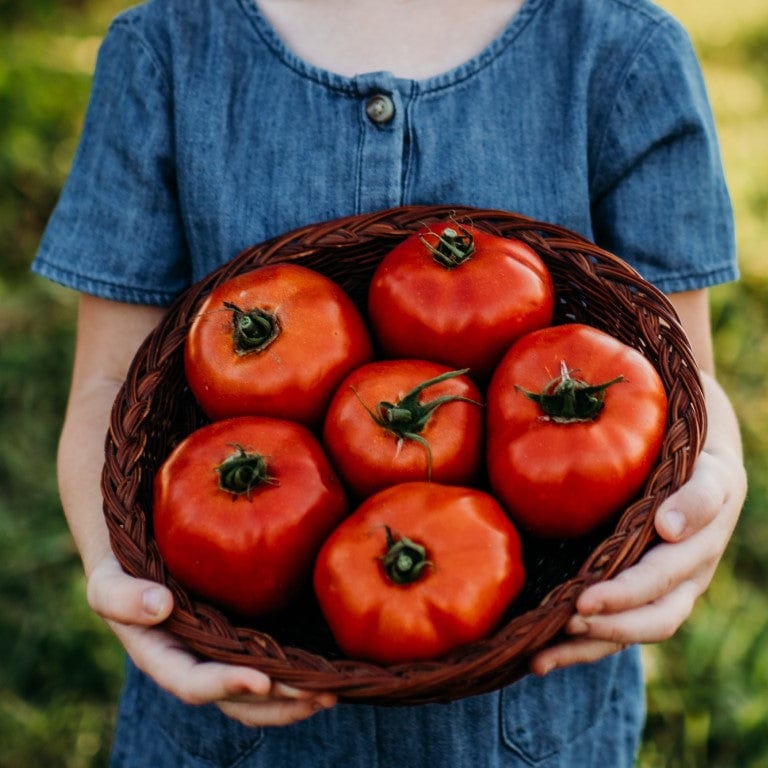
With the produce aisles becoming more and more flavorless and processed food ever more flavorful, it's easy to see how vegetables have gotten a bad rap, but we're on a mission to change that. With our easy-to-grow, flavorful heirlooms, we aim to help families produce their own delicious, healthful food, all while fostering a love for gardening.
Garden peas prefer well-draining soil with a pH between 6.0 and 7.5. They require full sun exposure for optimal growth, but can also tolerate partial shade. Peas are a cool-season crop, so they grow best in temperatures ranging from 55°F to 75°F. In hotter climates, peas can be planted in the fall for a winter harvest. Peas also require regular watering, especially during flowering and pod development, to ensure good yields.
As soon as soil can be worked, plant seeds 2" apart, 1" deep in rows 18" apart. Keep moist until germination has occurred (7-10 days). Provide support such as string or fencing for vining types. Dwarf peas do not require trellising, though providing some support will keep plants healthier and make for easier picking.
Not recommended
Insect Pests
Aphids are the most common pest that affects peas. They can be controlled by spraying with a simple homemade or purchased insecticidal soap. Beneficial insects like ladybugs can also be introduced to control aphid populations.
Diseases & Other Problems
The most common diseases to affect peas are powdery mildew and fusarium wilt. They can be prevented by keeping peas upright to allow for ample circulation. Always water in the morning and avoid over-watering which can spread disease.
Shelling peas are typically ready for harvest 60-70 days after planting, when the pods are plump and the peas inside have reached full size. Snow peas are harvested when the pods have reached a sufficient size but before seeds have filled out. To harvest pods, gently pull or cut the pods from the plant. To extend the shelf life, store freshly harvested peas in a plastic bag in the refrigerator. Alternatively, peas can be blanched and frozen for longer-term storage. To blanch, boil the peas for 2-3 minutes, then quickly cool them in an ice water bath before packing into airtight containers and freezing. Properly stored frozen peas can last for up to 8 months.
CONSIDERATIONS:
Peas are inbreeding plants with perfect flowers that usually complete pollination before opening. It is therefore not necessary to isolate varieties, except to prevent accidental mixing of seed which may occur when two varieties are allowed to intertwine.
HARVESTING SEED:
To save pea seeds allow the pods to dry on the vine. Pull the entire plant and lay flat in the shade for a few days to allow the seeds dry completely, then remove pods and shell out mature peas. Allow seeds to dry for one week before storing in an airtight container.
SEED LONGETIVITY:
Pea seeds will retain 50% viability for 3 years when stored under ideal conditions.
These are seeds - I'll plant them next spring.
The items all arrived lightening fast. The packaging is outstanding and made to last. Every pea that I planted is popping. Great company!!!
Sign up to get the latest on sales, new releases, and more...