We ship to the United States, its territories and outlying islands. Returns are accepted within 30 days of receipt. Full warranty information can be found here.

Free Shipping on Orders $35+
✓ Plant with Confidence—Guaranteed Through 2027
Get it between -
We ship to the United States, its territories and outlying islands. Returns are accepted within 30 days of receipt. Full warranty information can be found here.
We guarantee our seed to be fresh, vigorous, untreated, and true to variety.
Each packet is guaranteed through the year printed on the packet, plus one full additional growing year.
If your seeds fail to germinate, arrive damaged, or do not grow true to type, please contact us and we will make it right through replacement seed, store credit, or refund when appropriate.
Full warranty policy here.
Open-pollinated varieties, perfect for seed saving.
Safe seeds, free of neonics and other treatments.
It's simple. If you have a problem, we make it right.
Brassica Oleracea
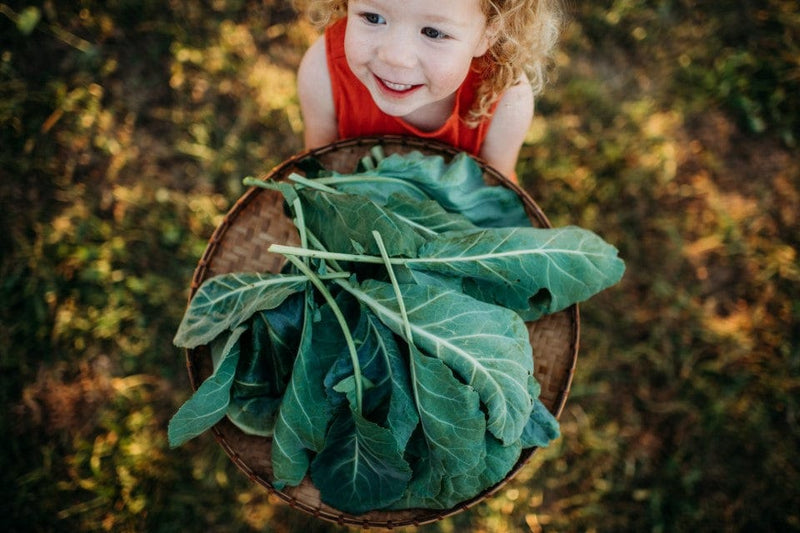
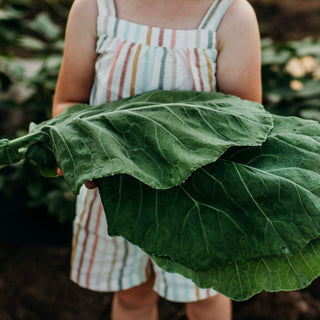
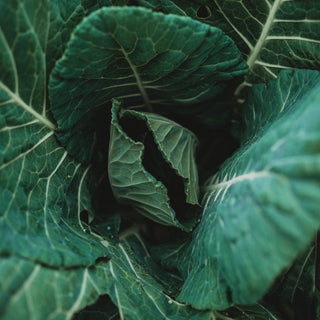
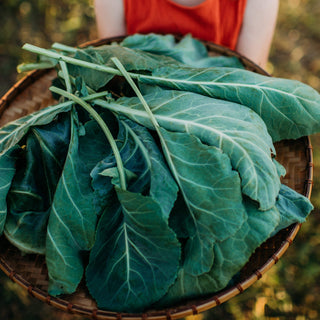
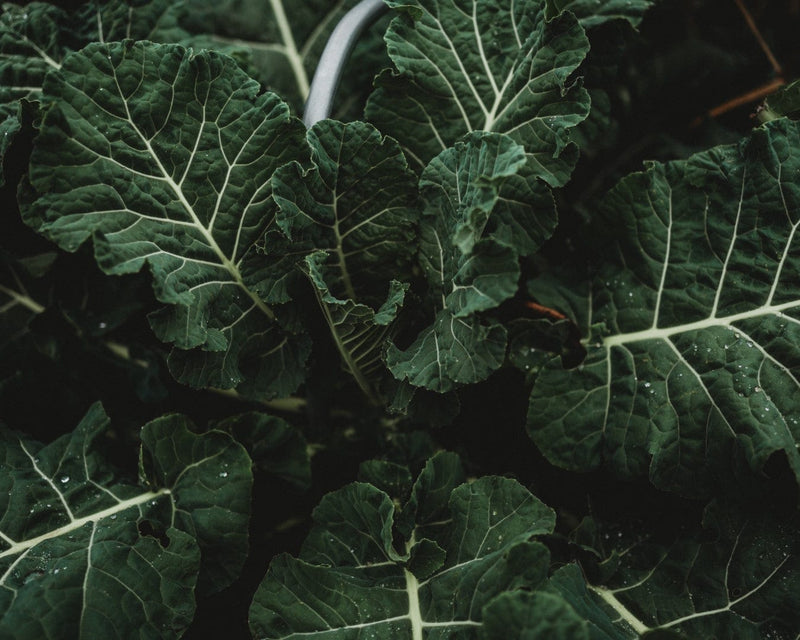
Georgia Southern is an heirloom collard green that dates back to the 1880's. Short statured plants grow 2 to 3 feet tall, producing large blue-green leaves with a mild cabbage-like flavor. Georgia Southern is very cold-tolerant and slow to bolt, and its flavor is sweetened when leaves are allowed to mature in cold weather. This also produces a darker green leaf. Harvests begin 70 days after transplant. Each packet contains a minimum of 100 seeds.
Brassica Oleracea
Georgia Southern is an heirloom collard green that dates back to the 1880's. Short statured plants grow 2 to 3 feet tall, producing large blue-green leaves with a mild cabbage-like flavor. Georgia Southern is very cold-tolerant and slow to bolt, and its flavor is sweetened when leaves are allowed to mature in cold weather. This also produces a darker green leaf. Harvests begin 70 days after transplant. Each packet contains a minimum of 100 seeds.
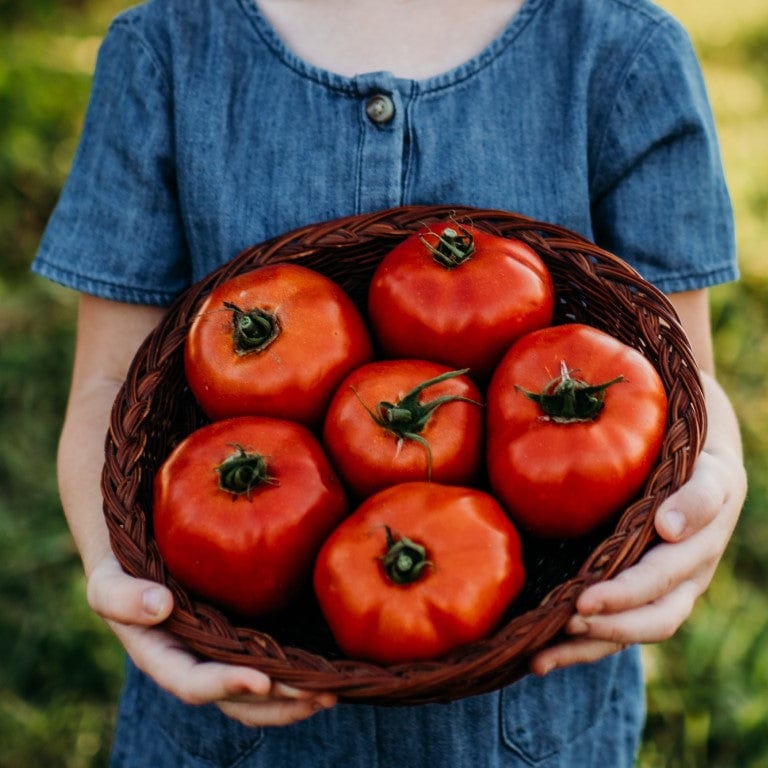
With the produce aisles becoming more and more flavorless and processed food ever more flavorful, it's easy to see how vegetables have gotten a bad rap, but we're on a mission to change that. With our easy-to-grow, flavorful heirlooms, we aim to help families produce their own delicious, healthful food, all while fostering a love for gardening.
Collards grow best in well-drained, fertile soil that is rich in organic matter. They prefer a slightly acidic soil pH between 6.0 and 7.0. Collards require full sun to grow and develop properly, although they can tolerate some shade. In areas with hot summers, collards benefit from some afternoon shade to prevent stress and wilting. In general, collards prefer cool temperatures, and they grow best when daytime temperatures range from 60 to 70°F and nighttime temperatures range from 40 to 50°F. They can be grown in both spring and fall, and they perform well in cooler climates with a long growing season. Proper soil preparation and regular watering are important for producing healthy and productive collard plants.
To sow collard seeds, fill seed starting trays or containers with a sterile seed starting mix. Sow the seeds about 1/4 inch deep and 2-3 inches apart. Water the soil gently to ensure good seed-to-soil contact. Cover the containers with plastic wrap or a clear plastic dome to create a greenhouse effect and keep the soil moist. Place the containers in a warm, bright location, such as a sunny windowsill or under grow lights. Once the seedlings have emerged, remove the plastic covering and keep the soil consistently moist. When the seedlings have at least two sets of true leaves, they are ready to be transplanted into the garden.
To transplant collards, wait until the seedlings are 4-6 weeks old and have at least two sets of true leaves. Dig holes in the prepared soil about 18 inches apart and deep enough to accommodate the root balls of the seedlings. Gently remove the seedlings from their containers, being careful not to damage the roots, and place them in the holes. Backfill the holes with soil and water the plants thoroughly. Keep the soil moist but not waterlogged and provide shade as needed for the first few days to prevent transplant shock.
Insect Pests
Very young direct-seeded plants are susceptible to flea beetles. Otherwise, the predominant threat to collards is the cabbage moth caterpillar. Floating row covers and biological controls like Bacillus thuringiensis (Bt) are very effective at controlling caterpillar damage.
Diseases & Other Problems
Collards can be affected by several diseases, including black rot, downy mildew, and clubroot. Black rot is a bacterial disease that causes yellowing and wilting of the leaves, and can eventually kill the plant. Downy mildew is a fungal disease that causes yellowing and curling of the leaves, and can also affect the growth of the plant. Clubroot is a soil-borne disease that can cause stunted growth and distorted roots. Proper soil drainage and crop rotation can help prevent the development of these diseases. It's also important to remove and destroy any infected plant debris to prevent the spread of disease.
Collards can be harvested by cutting off the outer leaves from the bottom of the plant and working your way up. The leaves can be harvested when they are large enough to use, but before they become tough and bitter. Collards can be stored for several weeks in the refrigerator, but they are best used fresh. To store collards, wrap them in a damp paper towel and place them in a plastic bag, or store them in an airtight container.
CONSIDERATIONS:
As collards are outcrossing plants, it is necessary isolate the plants in order to prevent cross-pollination with other related plants such as cauliflower, cabbage, and kale. Cross-pollination can result in undesirable traits in the offspring, affecting their taste, texture, and appearance. To prevent cross-pollination, you can either plant different crops in separate areas or use physical barriers such as nets or cages to protect the plants (pollinators will need to be introduced in this scenario). Collards are also biennial plants that require a vernalization, or cooling period, to initiate flowering. Therefore plants must be dug and brought indoors in climates with harsh winters. Once replanted in the spring, plants will begin to develop flowers that eventually give way to siliques, the seed bearing structures of the oleracea plants.
HARVESTING SEED:
To harvest collard seeds, allow the plant to fully mature and form seed pods. The seed pods will turn brown and dry when they are ready for harvesting. Cut the seed stalks from the plant and place them in a dry and well-ventilated area for further drying, until the pods split open and release the seeds. Once the seeds are fully dried, separate them from the pods and store them in a cool and dry place until you are ready to plant them.
SEED LONGETIVITY:
Collard seeds can maintain their viability for up to 5 years if they are stored properly. It's important to store the seeds in a cool, dry place to prevent them from being exposed to moisture or extreme temperatures.
These greens are not the real georgia collards the seeds i planted the leaves have a ripple look to them and also have a turnips leaf look to them there not dark green leaves like they should be
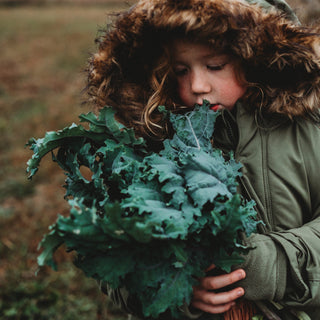
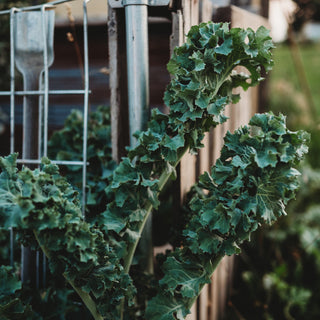
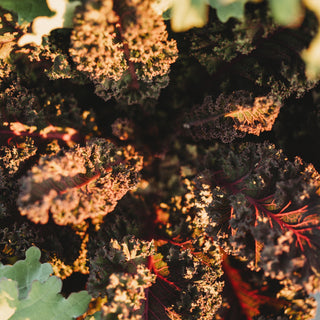
Hi Justin, thanks for your review. We'll be the first to admit that we're not collard experts—we've only been growing Georgia Southern for the past several years. What we can say, however, is that the strain we offer is exactly what is displayed in the photographs. We start a good number of plants from our bulk lot and select the most representative plants to use for photos. If you saw plants with turnip-like leaves, it is possible they were one-offs (either seed or pollen contaminates) but in either case, these would be very rare events. We've not witnessed them here. Lighter green leaves are common when the weather is warm. In fact, you can see some lighter green leaves in some of our photos, those were taken in July. The photos with darker green leaves were taken in October, after the cold weather had set in. Anyway, I hope this helps. We do sincerely appreciate your feedback. I've issued a full refund for your order, including shipping, since this was the only item on it.
Sign up to get the latest on sales, new releases, and more...