We ship to the United States, its territories and outlying islands. Returns are accepted within 30 days of receipt. Full warranty information can be found here.






✓ Plant with Confidence—Guaranteed Through 2027
 Get it between -
Open-pollinated varieties, perfect for seed saving.
Safe seeds, free of neonics and other treatments.
It's simple. If you have a problem, we make it right.
Cucumis sativus
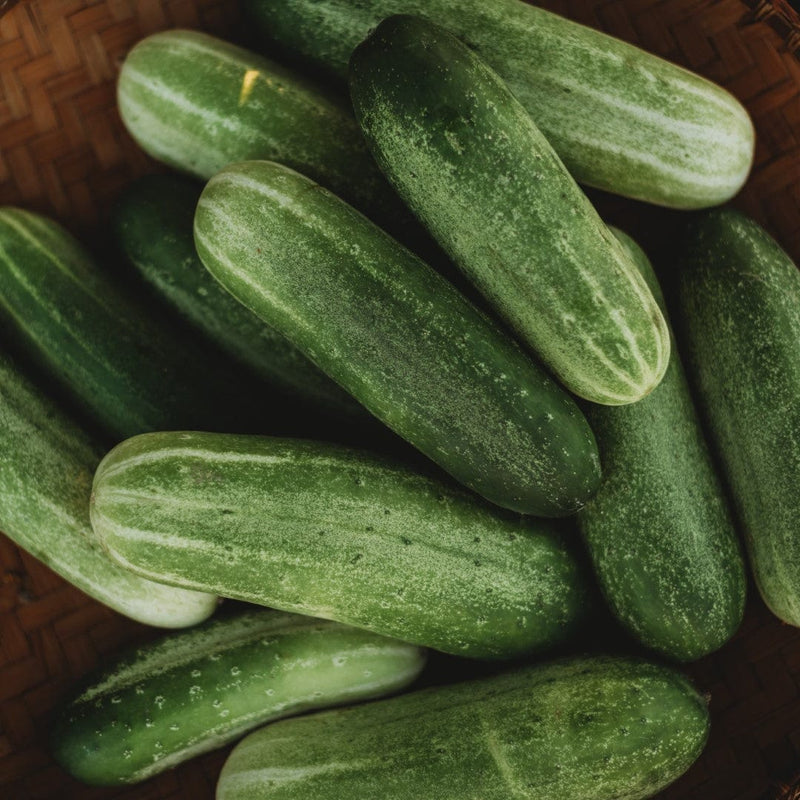
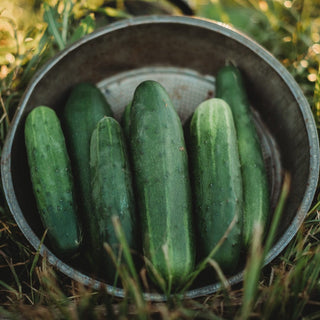
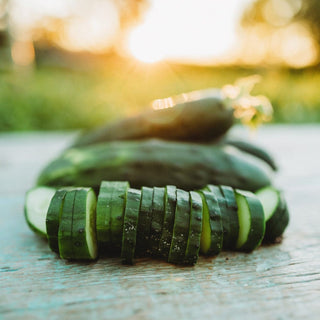
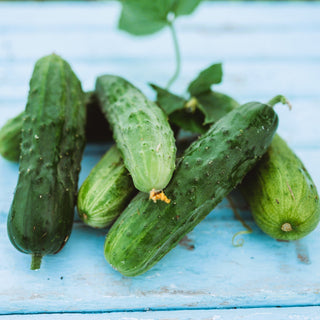
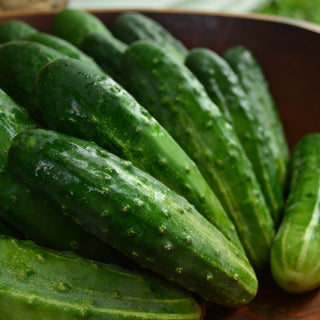
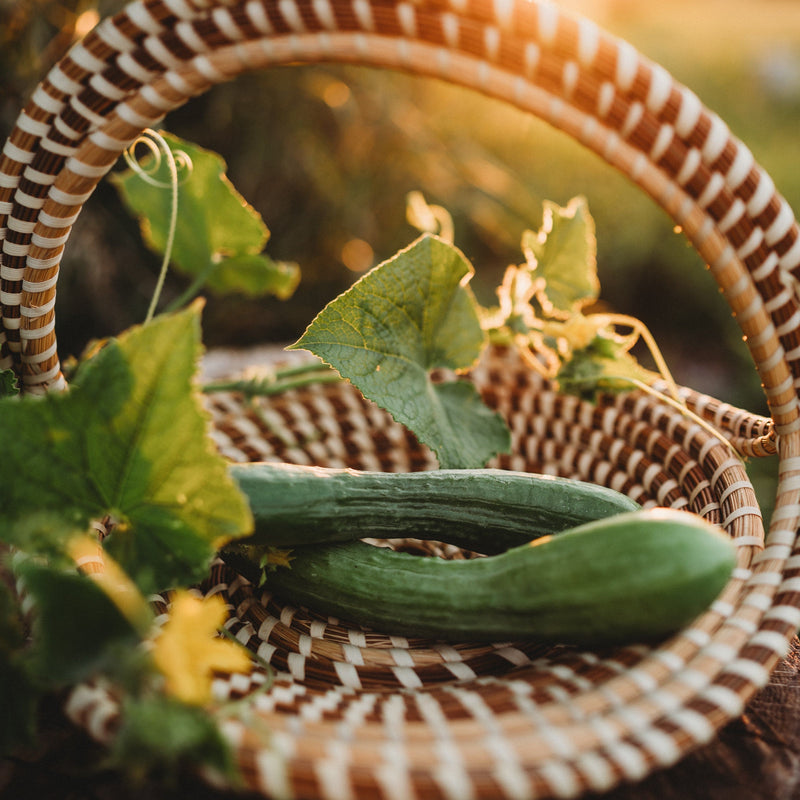
English Telegraph is an heirloom variety of cucumber that produces long, slender cucumbers reaching up to 12 inches in length. Often trellised, English Telegraph Cucumbers are prized for their economical use of garden space and steady production even when less-than-ideal pollinator populations are present. These qualities make them a favorite for growing in greenhouses and tunnels. In the kitchen, English Telegraph cucumbers are beloved for their smooth, nearly spineless skins and mild, pleasing flavor, attributes which make them perfect for salads, snack trays, and sandwiches.
Developed as a forcing cucumber, Telegraph cucumbers were typically planted by British gardeners in February and tran... More
Cucumis sativus
English Telegraph is an heirloom variety of cucumber that produces long, slender cucumbers reaching up to 12 inches in length. Often trellised, English Telegraph Cucumbers are prized for their economical use of garden space and steady production even when less-than-ideal pollinator populations are present. These qualities make them a favorite for growing in greenhouses and tunnels. In the kitchen, English Telegraph cucumbers are beloved for their smooth, nearly spineless skins and mild, pleasing flavor, attributes which make them perfect for salads, snack trays, and sandwiches.
Developed as a forcing cucumber, Telegraph cucumbers were typically planted by British gardeners in February and transplanted into hot beds by mid-March for an early spring harvest. While the exact origins of this variety are difficult to pinpoint, we did find mentions of Telegraph cucumbers dating as far back as the 1850s. By 1869, improved strains bearing names like Rollisson's Telegraph and Paul's Improved Telegraph were battling it out in the marketplace, with proprietors boasting that their strain had the earliest production, the highest yield, or the longest cucumbers. Most strains we found claimed an average length of 12-18 inches, which is longer than we observed from our modern-day strain, however other characteristics such as the smooth, spineless skins, and mild flavor seem to have been retained.
Besides its excellent flavor, the most notable quality of English Telegraph is its heavy, steady production. In our trials, it seemed that Telegraph always had cucumbers that needed to be harvested. We surmise that container gardeners and others with limited garden space would be well-served by such an easy-to-grow, high-yielding variety. English Telegraph cucumbers mature approximately 60 days after sowing. Each packet contains a minimum of 25 seeds.
Cucumis sativus
English Telegraph is an heirloom variety of cucumber that produces long, slender cucumbers reaching up to 12 inches in length. Often trellised, English Telegraph Cucumbers are prized for their economical use of garden space and steady production even when less-than-ideal pollinator populations are present. These qualities make them a favorite for growing in greenhouses and tunnels. In the kitchen, English Telegraph cucumbers are beloved for their smooth, ... read more
Cucumis sativus
English Telegraph is an heirloom variety of cucumber that produces long, slender cucumbers reaching up to 12 inches in length. Often trellised, English Telegraph Cucumbers are prized for their economical use of garden space and steady production even when less-than-ideal pollinator populations are present. These qualities make them a favorite for growing in greenhouses and tunnels. In the kitchen, English Telegraph cucumbers are beloved for their smooth, nearly spineless skins and mild, pleasing flavor, attributes which make them perfect for salads, snack trays, and sandwiches.
Developed as a forcing cucumber, Telegraph cucumbers were typically planted by British gardeners in February and transplanted into hot beds by mid-March for an early spring harvest. While the exact origins of this variety are difficult to pinpoint, we did find mentions of Telegraph cucumbers dating as far back as the 1850s. By 1869, improved strains bearing names like Rollisson's Telegraph and Paul's Improved Telegraph were battling it out in the marketplace, with proprietors boasting that their strain had the earliest production, the highest yield, or the longest cucumbers. Most strains we found claimed an average length of 12-18 inches, which is longer than we observed from our modern-day strain, however other characteristics such as the smooth, spineless skins, and mild flavor seem to have been retained.
Besides its excellent flavor, the most notable quality of English Telegraph is its heavy, steady production. In our trials, it seemed that Telegraph always had cucumbers that needed to be harvested. We surmise that container gardeners and others with limited garden space would be well-served by such an easy-to-grow, high-yielding variety. English Telegraph cucumbers mature approximately 60 days after sowing. Each packet contains a minimum of 25 seeds.