We ship to the United States, its territories and outlying islands. Returns are accepted within 30 days of receipt. Full warranty information can be found here.

Free Shipping on Orders $35+
✓ Plant with Confidence—Guaranteed Through 2027
Get it between -
We ship to the United States, its territories and outlying islands. Returns are accepted within 30 days of receipt. Full warranty information can be found here.
We guarantee our seed to be fresh, vigorous, untreated, and true to variety.
Each packet is guaranteed through the year printed on the packet, plus one full additional growing year.
If your seeds fail to germinate, arrive damaged, or do not grow true to type, please contact us and we will make it right through replacement seed, store credit, or refund when appropriate.
Full warranty policy here.
Open-pollinated varieties, perfect for seed saving.
Safe seeds, free of neonics and other treatments.
It's simple. If you have a problem, we make it right.
Cucumis melo
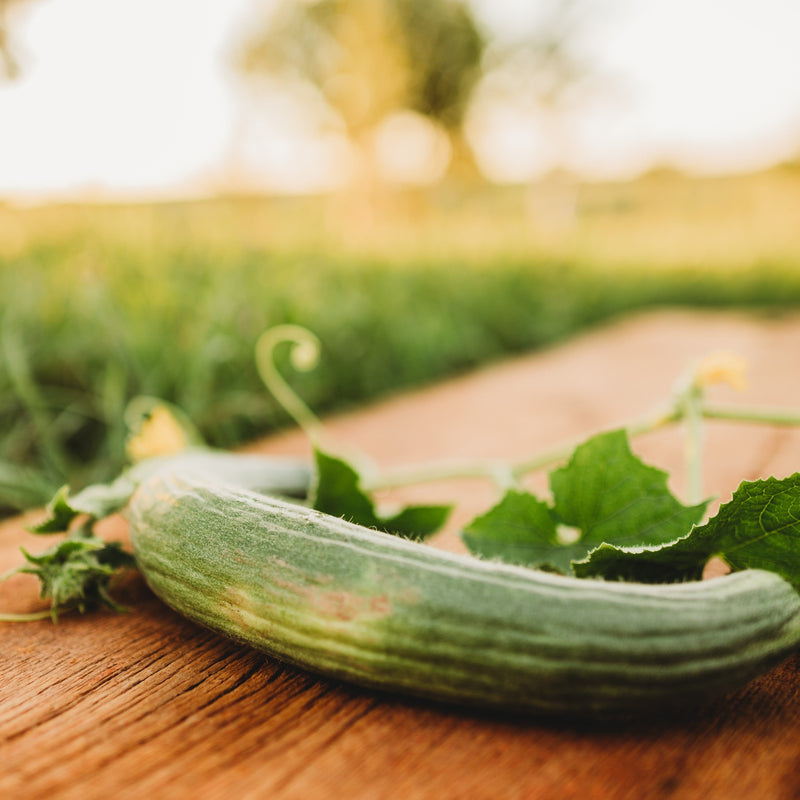
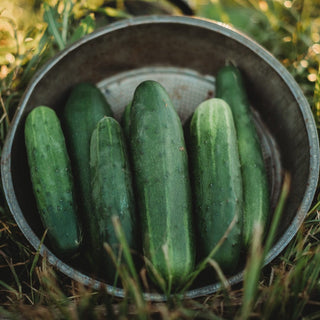
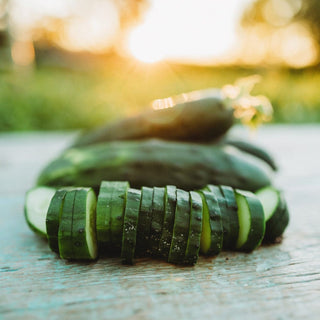
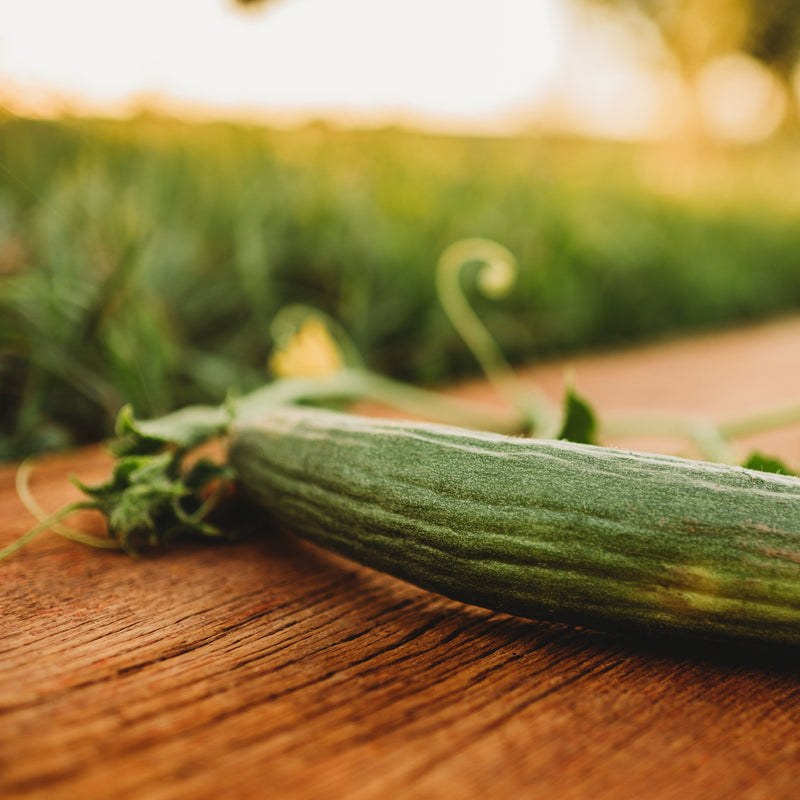
Sometimes called yard long or serpent cucumber, the Armenian Cucumber is a relative of the traditional cucumber that produces long, slender fruit reaching 18 to 36 inches in length. If you live in an area with particularly harsh summers and sometimes struggle to grow the traditional cucumber, Armenian cucumbers may be the way to go. Armenian cucumber plants are more durable and heat tolerant than most traditional cucumbers and produce well throughout even the harshest summer months. Armenian cucumbers are also well-suited for gardeners with limited space as the vines trellis well, making efficient use of precious garden space. The Armenian cucumber's long, green fruit are best harvested at 12 to 18 inc... More
Cucumis melo
Sometimes called yard long or serpent cucumber, the Armenian Cucumber is a relative of the traditional cucumber that produces long, slender fruit reaching 18 to 36 inches in length. If you live in an area with particularly harsh summers and sometimes struggle to grow the traditional cucumber, Armenian cucumbers may be the way to go. Armenian cucumber plants are more durable and heat tolerant than most traditional cucumbers and produce well throughout even the harshest summer months. Armenian cucumbers are also well-suited for gardeners with limited space as the vines trellis well, making efficient use of precious garden space. The Armenian cucumber's long, green fruit are best harvested at 12 to 18 inches in length, when flavor and tenderness are at their peak. Harvests begin approximately 50 to 75 days to harvest. Each packet contains a minimum of 25 seeds.
Cucumis melo
Sometimes called yard long or serpent cucumber, the Armenian Cucumber is a relative of the traditional cucumber that produces long, slender fruit reaching 18 to 36 inches in length. If you live in an area with particularly harsh summers and sometimes struggle to grow the traditional cucumber, Armenian cucumbers may be the way to go. Armenian cucumber plants are more durable and heat tolerant than most traditional cucumbers and produce well throughout even the... read more
Cucumis melo
Sometimes called yard long or serpent cucumber, the Armenian Cucumber is a relative of the traditional cucumber that produces long, slender fruit reaching 18 to 36 inches in length. If you live in an area with particularly harsh summers and sometimes struggle to grow the traditional cucumber, Armenian cucumbers may be the way to go. Armenian cucumber plants are more durable and heat tolerant than most traditional cucumbers and produce well throughout even the harshest summer months. Armenian cucumbers are also well-suited for gardeners with limited space as the vines trellis well, making efficient use of precious garden space. The Armenian cucumber's long, green fruit are best harvested at 12 to 18 inches in length, when flavor and tenderness are at their peak. Harvests begin approximately 50 to 75 days to harvest. Each packet contains a minimum of 25 seeds.
New varieties come and go, but an heirloom is one that has stood the test of time. Families have stewarded these seeds for generations because they valued their dependability and flavor as much as they did their history—and we can think of no better recommendation than that.
Armenian cucumbers, also known as yard-long cucumbers or snake melons, have cultural requirements that contribute to their successful growth. Firstly, they thrive in warm climates and require a long growing season, preferably with temperatures ranging between 70°F and 90°F. Adequate sunlight is essential, so planting them in a location with full sun exposure is recommended. These cucumbers prefer well-drained soil enriched with organic matter and a pH level between 6.0 and 7.0. Regular watering is crucial to keep the soil consistently moist, especially during dry periods, while avoiding excessive waterlogging. Providing trellises or supports for the vines aids in maintaining the cucumber's elongated shape and prevents them from trailing on the ground. Consistent pruning and removing any damaged or diseased fruits are important for encouraging continuous growth and preventing pest or disease issues.
Direct sow seeds in spring after danger of frost has passed. Seeds should be sown 2-3 per hill with hills spaced at least 3' in all directions. Alternatively, seeds may be sown along a trellis with 12-24" final spacing between plants. Under ideal conditions, germination will occur in 5-10 days.
In areas with short summers, Armenian cucumber can be started indoors 3 weeks before the last frost and transplanted outdoors after danger of frost has passed. Be careful not to disturb the roots while transplanting or use peat pots which can be placed directly in the soil.
Insect Pests
Armenian cucumber is actually a member of the melon (Cucumis melo) family and as such can be affected by the same insects that affect melons. The most prominent pest to affect Armenian cucumbers is the spotted cucumber beetle. Traps and treatment with neem oil can be effective at controlling these insects.
Diseases & Other Problems
Cucumbers are susceptible to a number of diseases and disorders, including cucumber mosaic virus, powdery mildew, downy mildew, bacterial wilt, and anthracnose. In addition, overwatering, underwatering, and poor air circulation can also lead to issues such as root rot and leaf spot. Ensure ample spacing between plants and avoid overhead watering which can spread disease.
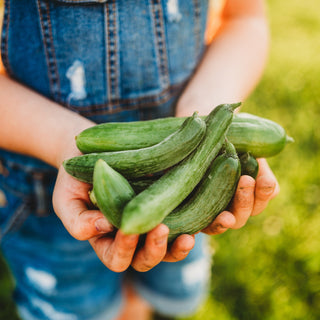
Armenian cucumbers can grow up to 3 feet long, but are best harvested between 12 and 18 inches in length, while the skins are still tender and the seeds small. Harvest cucumbers by clipping from the vine as they do not abscise from the stem as easily as traditional cucumbers. They will store in the refrigerator for up to a week. In addition to being eaten raw, Armenian cucumbers are well-suited to grilling and roasting as you would zucchini.
CONSIDERATIONS:
The Armenian cucumber is an outbreeding plant with male and female flowers present on different parts of the plant. Armenian cucumbers are botanically melons and will cross with all varieties of C. melo, regardless of their flavor or appearance. Armenian cucumbers will not cross with watermelon, cucamelon, or bitter melon. Isolate different varieties of C. melo by at least a half mile to ensure varietal purity. Alternatively, Armenian cucumber varieties may be caged with introduced pollinators. Hand-pollination of Armenian cucumbers is relatively easy, but has a low success rate, even under ideal conditions.
HARVESTING SEED:
To harvest seeds, cut open the cucumbers and scoop out the seeds and pulp. Place in a bucket or pitcher and squeeze the seeds through your fingers to separate them from the pulp. Add enough water to allow the non-viable seeds, and the seeds still attached to pulp, to float. Pour off the floating seeds and pulp. Repeat until water runs clear. Pour remaining seed into a strainer and clean with a heavy stream of water to remove any remaining pulp. Allow to drain then pour the seeds out on a plate or cookie sheet and place in a warm, well-ventilated place to dry. Once completely dry, store in an airtight container.
SEED LONGETIVITY:
Armenian cucumber seeds remain viable for five years when stored under ideal conditions.
Sign up to get the latest on sales, new releases, and more...