We ship to the United States, its territories and outlying islands. Returns are accepted within 30 days of receipt. Full warranty information can be found here.






✓ Plant with Confidence—Guaranteed Through 2027
 Get it between -
Open-pollinated varieties, perfect for seed saving.
Safe seeds, free of neonics and other treatments.
It's simple. If you have a problem, we make it right.
Abelmoschus esculentus
Angola Prison Okra is an open-pollinated heirloom variety historically grown on the Angola Prison Farm in Louisiana. Unlike many heirloom vegetables that are remembered for family gardens or local farming traditions, this variety is tied to a more difficult chapter of American agricultural history.
The variety takes its name from the Louisiana State Penitentiary at Angola, a 28-square-mile prison farm established on the site of a former plantation. For more than a century, inmates cultivated thousands of acres of crops including corn, tomatoes, squash, and okra. The prison farm remains one of the most self-sufficient correctional facilities in the United States, though its labor practices ... More
Abelmoschus esculentus
Angola Prison Okra is an open-pollinated heirloom variety historically grown on the Angola Prison Farm in Louisiana. Unlike many heirloom vegetables that are remembered for family gardens or local farming traditions, this variety is tied to a more difficult chapter of American agricultural history.
The variety takes its name from the Louisiana State Penitentiary at Angola, a 28-square-mile prison farm established on the site of a former plantation. For more than a century, inmates cultivated thousands of acres of crops including corn, tomatoes, squash, and okra. The prison farm remains one of the most self-sufficient correctional facilities in the United States, though its labor practices have long been the subject of public debate. Seed saver John Coykendall noted that he was told this variety was favored because the plants remained relatively short, allowing guards to more easily monitor prisoners working in the fields. Whether viewed as an agricultural heirloom or a historical artifact, Angola Prison Okra serves as a reminder that not all heirloom seeds come with a charming story. We preserve and offer this variety not as an endorsement of that history, but because preserving heirlooms also means preserving the lessons and stories that accompany them.
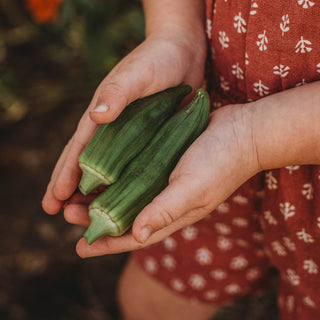
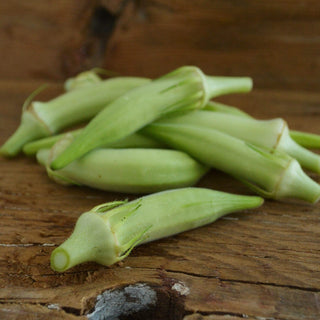
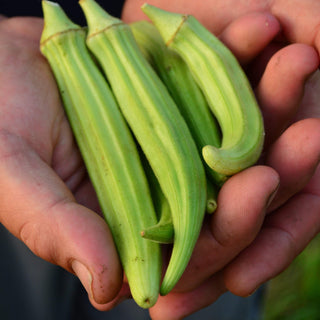
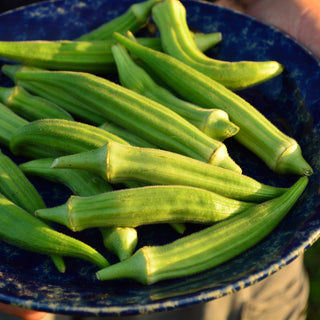
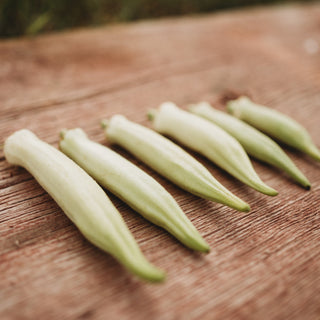
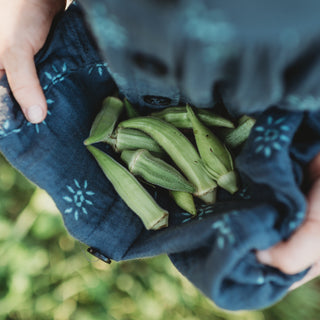
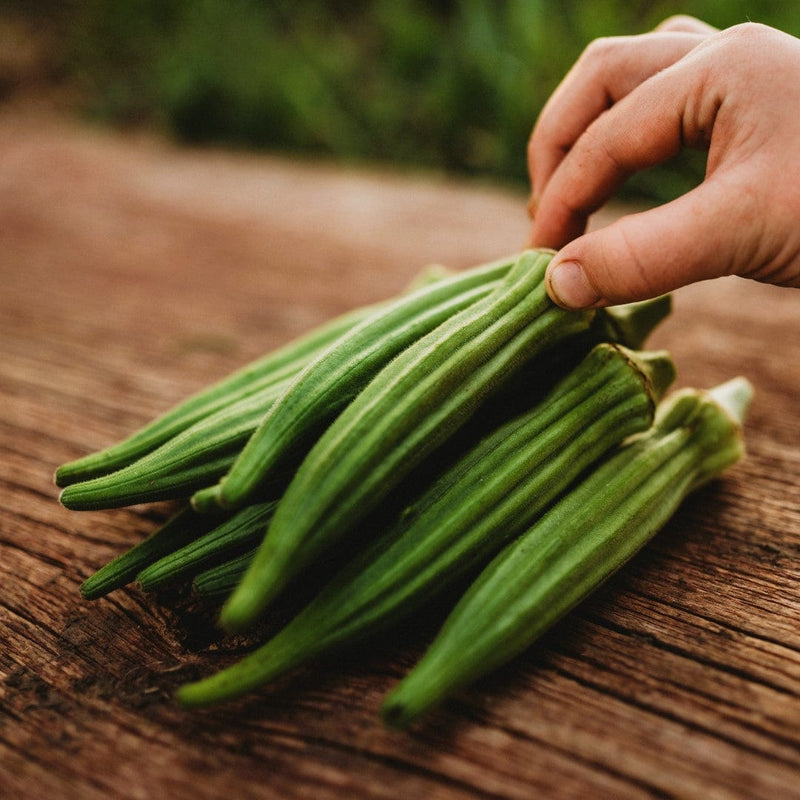
Plants typically reach about 5 feet in height and produce abundant yields of ribbed green pods. The tender pods are best harvested at 4 to 5 inches long and are excellent for frying, pickling, gumbo, and other Southern dishes. A productive, heat-tolerant variety that continues bearing until frost. Matures in 60–70 days. Each packet contains a minimum of 50 seeds.
Abelmoschus esculentus
Angola Prison Okra is an open-pollinated heirloom variety historically grown on the Angola Prison Farm in Louisiana. Unlike many heirloom vegetables that are remembered for family gardens or local farming traditions, this variety is tied to a more difficult chapter of American agricultural history.
The variety takes its name from the Louisiana State Penitentiary at Angola, a 28-square-mile prison farm established on the site of a former plantat... read more
Abelmoschus esculentus
Angola Prison Okra is an open-pollinated heirloom variety historically grown on the Angola Prison Farm in Louisiana. Unlike many heirloom vegetables that are remembered for family gardens or local farming traditions, this variety is tied to a more difficult chapter of American agricultural history.
The variety takes its name from the Louisiana State Penitentiary at Angola, a 28-square-mile prison farm established on the site of a former plantation. For more than a century, inmates cultivated thousands of acres of crops including corn, tomatoes, squash, and okra. The prison farm remains one of the most self-sufficient correctional facilities in the United States, though its labor practices have long been the subject of public debate. Seed saver John Coykendall noted that he was told this variety was favored because the plants remained relatively short, allowing guards to more easily monitor prisoners working in the fields. Whether viewed as an agricultural heirloom or a historical artifact, Angola Prison Okra serves as a reminder that not all heirloom seeds come with a charming story. We preserve and offer this variety not as an endorsement of that history, but because preserving heirlooms also means preserving the lessons and stories that accompany them.
Plants typically reach about 5 feet in height and produce abundant yields of ribbed green pods. The tender pods are best harvested at 4 to 5 inches long and are excellent for frying, pickling, gumbo, and other Southern dishes. A productive, heat-tolerant variety that continues bearing until frost. Matures in 60–70 days. Each packet contains a minimum of 50 seeds.