We ship to the United States, its territories and outlying islands. Returns are accepted within 30 days of receipt. Full warranty information can be found here.

Free Shipping on Orders $35+
✓ Plant with Confidence—Guaranteed Through 2027
Get it between -
We ship to the United States, its territories and outlying islands. Returns are accepted within 30 days of receipt. Full warranty information can be found here.
We guarantee our seed to be fresh, vigorous, untreated, and true to variety.
Each packet is guaranteed through the year printed on the packet, plus one full additional growing year.
If your seeds fail to germinate, arrive damaged, or do not grow true to type, please contact us and we will make it right through replacement seed, store credit, or refund when appropriate.
Full warranty policy here.
Open-pollinated varieties, perfect for seed saving.
Safe seeds, free of neonics and other treatments.
It's simple. If you have a problem, we make it right.
Salvia officinalis
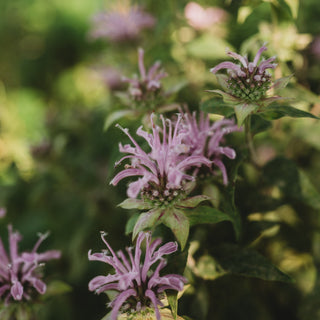
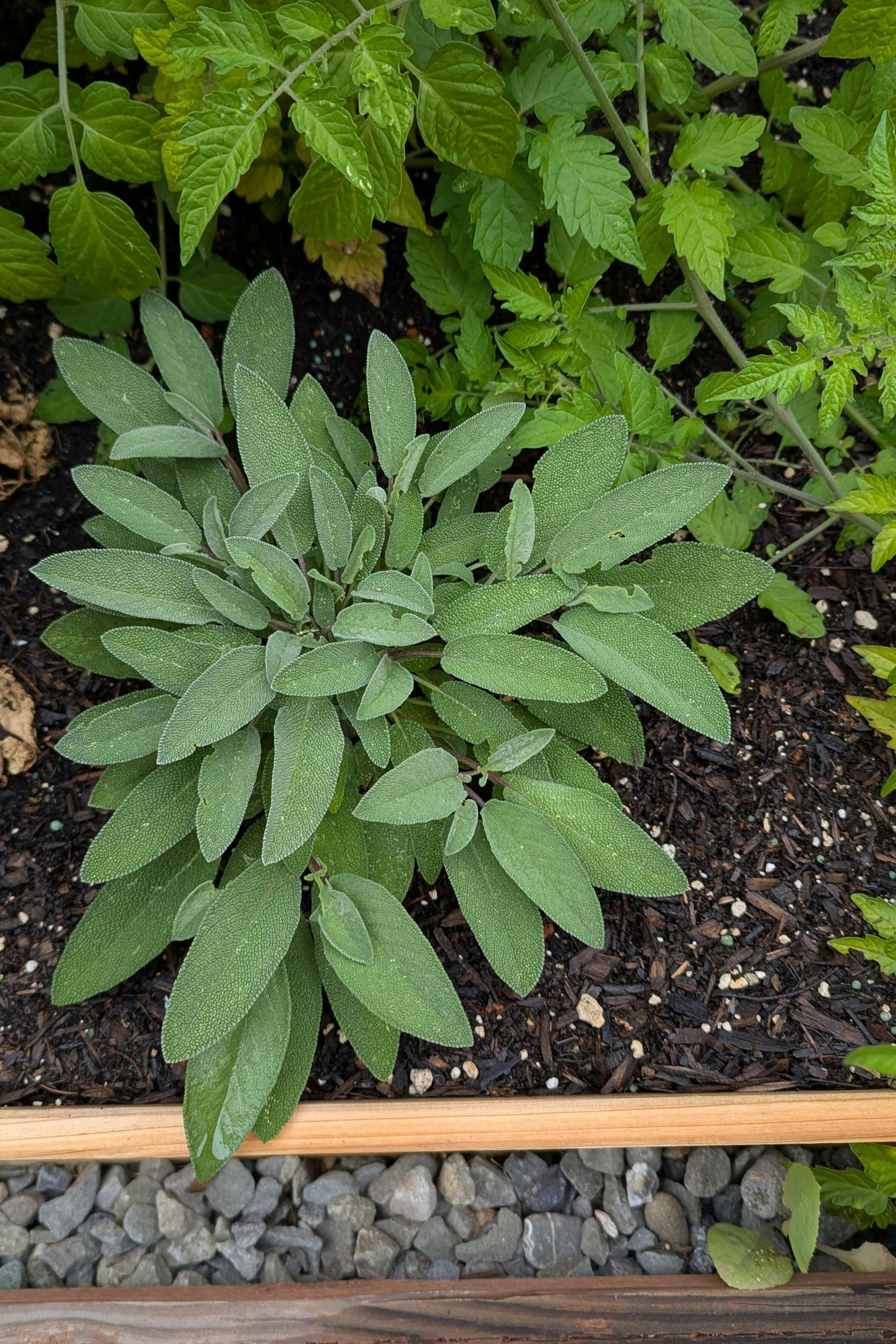
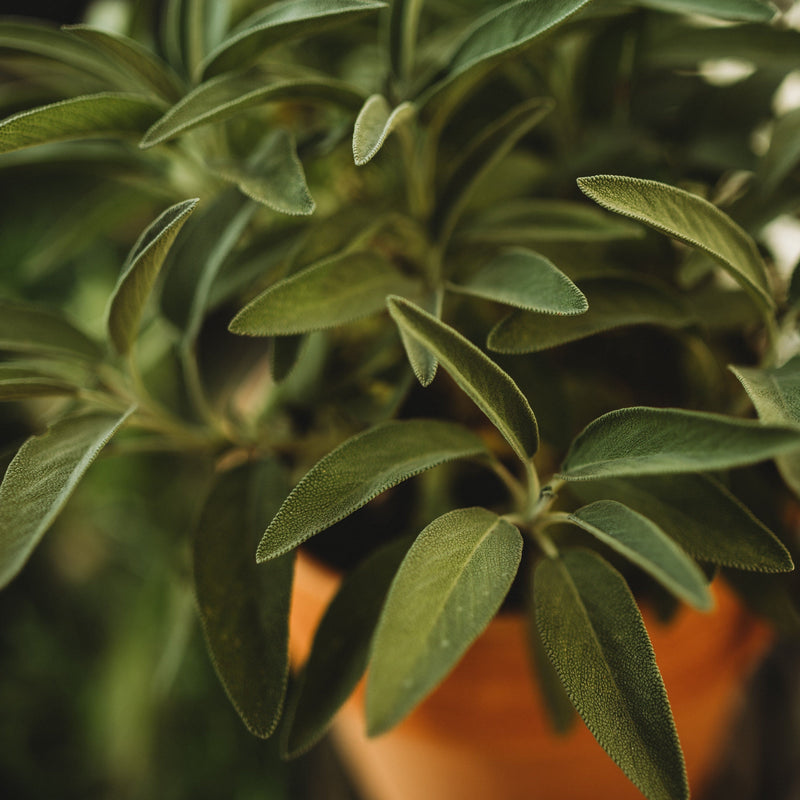
Sage is a popular garden herb that produces textured, gray-green leaves which are commonly used to season beef, poultry, sausages, and fish. Perennial, evergreen plants grow 1 to 2 feet tall eventually producing lovely purple flower stalks that are attractive to bees and other insects. Often grown as an edible ornamental in gardens and landscapes. Perennial in zones 5-10. A packet contains approximately 250 seeds.
Salvia officinalis
Sage is a popular garden herb that produces textured, gray-green leaves which are commonly used to season beef, poultry, sausages, and fish. Perennial, evergreen plants grow 1 to 2 feet tall eventually producing lovely purple flower stalks that are attractive to bees and other insects. Often grown as an edible ornamental in gardens and landscapes. Perennial in zones 5-10. A packet contains approximately 250 seeds.
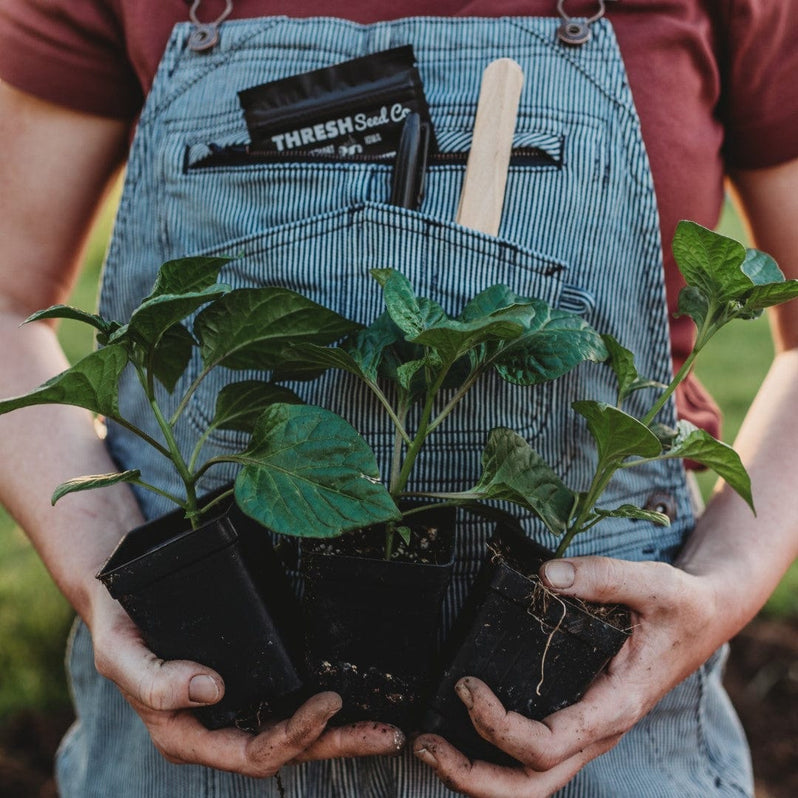
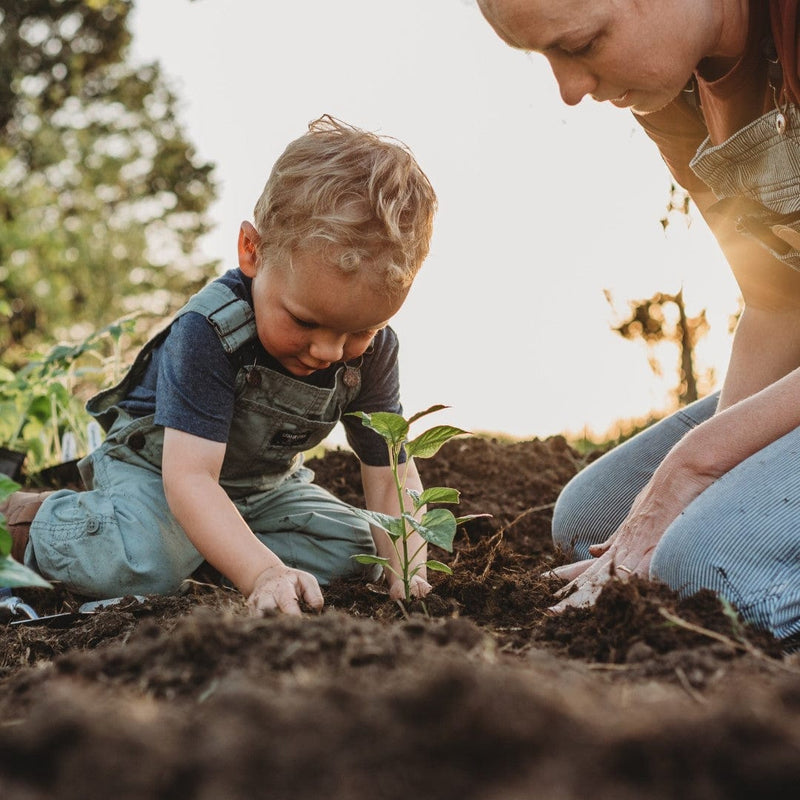
Sweat on your brow, hands in the dirt, and a smile on your face. You aren't afraid of a little hard work, and we're here to ensure that your efforts are rewarded. You can rest assured that our top-quality seeds from dependable, time-tested varieties will have you reaping more than just satisfaction from your hard day's work.
Sage is a perennial that is hardy in zones 5-8. Sage grows best in well-drained, slightly acidic soil with a pH between 6.0 and 7.0. It prefers full sun to partial shade and can tolerate drought conditions once established. Before planting, amend the soil with compost and well-rotted manure. Plant the seeds or seedlings in the spring after the last frost, spacing them 18-24 inches apart and 1/4-1/2 inch deep. Water regularly to keep the soil moist but not waterlogged. Sage can also be grown in containers with well-draining soil and placed in a sunny location.
Surface sow seeds indoors 4-6 weeks before the last frost. Can also be sown directly outdoors two weeks after the last frost.
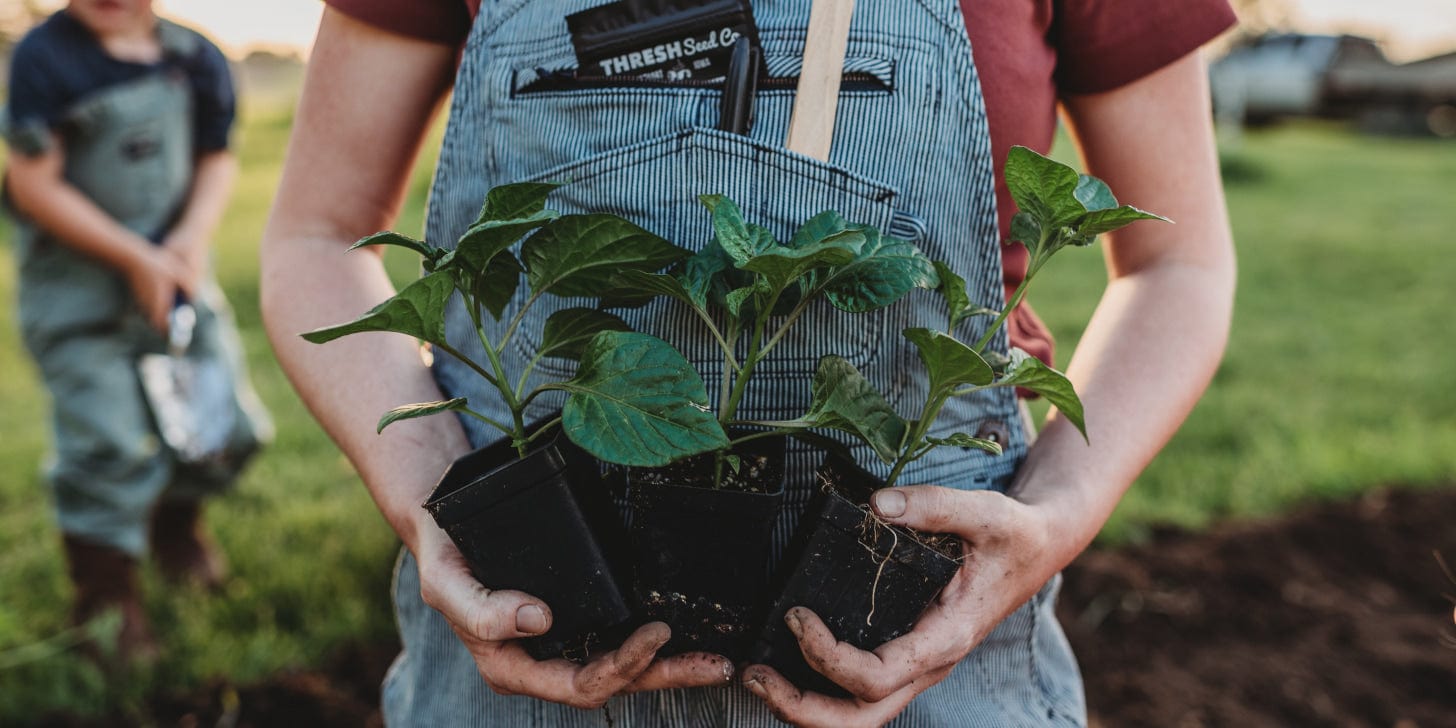
Transplant outdoors two weeks after last frost, spacing plants 12" apart in all directions.
Insect Pests
Diseases & Other Problems
To harvest sage, wait until the plant is at least 8-10 inches tall and has developed a bushy habit, then snip off the stems with a sharp pair of scissors or pruning shears. You can harvest the leaves as needed throughout the growing season or harvest the entire plant at once just before it begins to flower. To store sage, rinse the stems and leaves in cool water, pat dry, and tie them in small bunches with string. Hang the bunches upside down in a dry, well-ventilated area until they are brittle, then remove the leaves and store in an airtight container away from direct light and heat. Alternatively, you can chop the leaves and freeze them in ice cube trays with water or oil for later use in cooking.
CONSIDERATIONS:
Sage is an outcrossing perennial with the predominant amount of pollination being performed by insects. If two varieties are grown in close proximity, it is likely that some cross pollination will occur. To save seed while growing multiple varieties, allow only one variety to flower each year, pruning the flower stalks of the other varieties. Otherwise, alternate day caging can be practiced by caging both varieties and removing a different cage each morning and replacing it at the end of the day.
HARVESTING SEED:
To harvest sage seeds, wait for the plant to bloom and then allow the seed heads to form. Cut the seed heads with sharp scissors or pruning shears and place them in a paper bag or envelope to dry. Hang the bag or envelope in a warm, dry place with good air circulation for several days to a week. Once the seed heads are completely dry, gently shake or rub them to release the seeds and remove any debris or chaff. Place the sage seeds in an airtight container labeled with the date and type of sage and store in a cool, dry place until you are ready to use them.
SEED LONGETIVITY:
Sage seeds can remain viable for up to three years if they are stored properly in a cool, dry place.
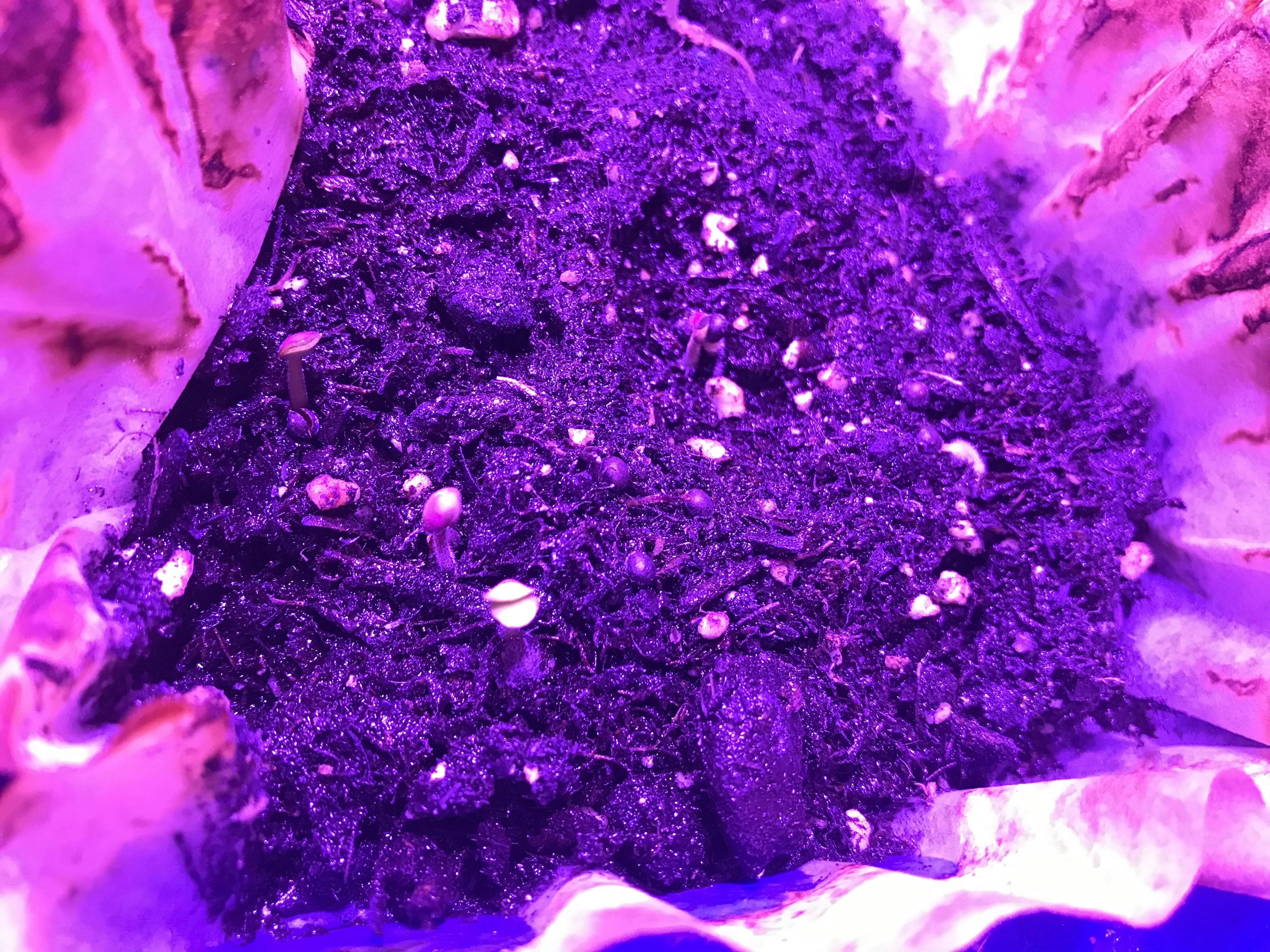
3/3 seeds germinated, took 10 days in warm room. The first 3 months of growth were pretty slow but in past month have developed into nice little 6x8" bushes. Flavor/fragrance as expected!
Sign up to get the latest on sales, new releases, and more...