We ship to the United States, its territories and outlying islands. Returns are accepted within 30 days of receipt. Full warranty information can be found here.






✓ Plant with Confidence—Guaranteed Through 2027
 Get it between -
Open-pollinated varieties, perfect for seed saving.
Safe seeds, free of neonics and other treatments.
It's simple. If you have a problem, we make it right.

Vigna unguiculata
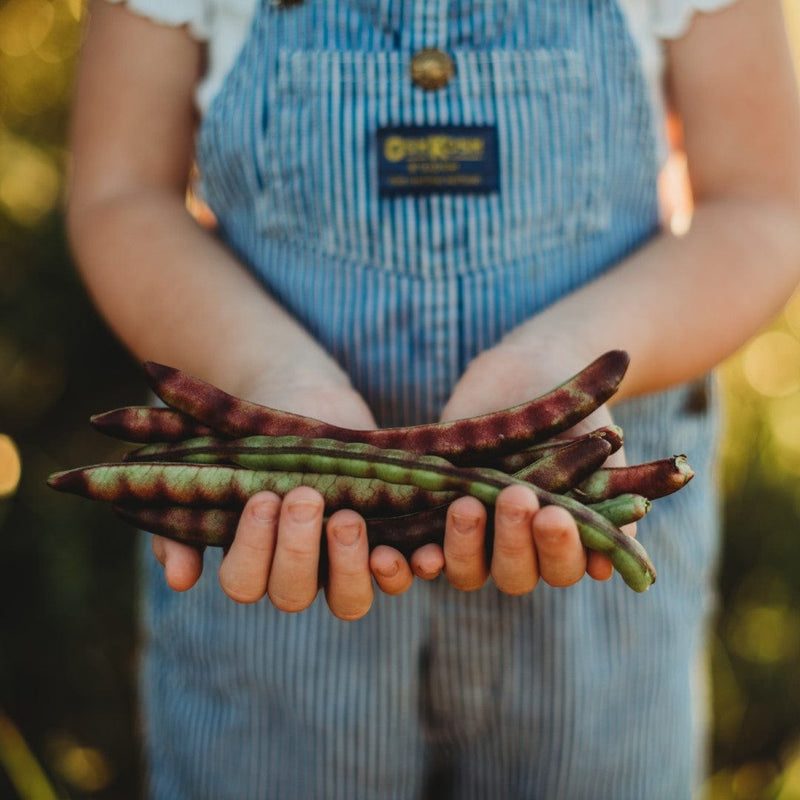
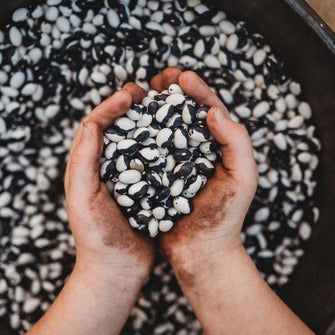
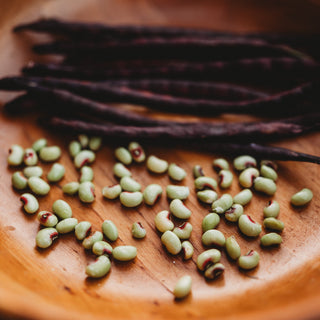
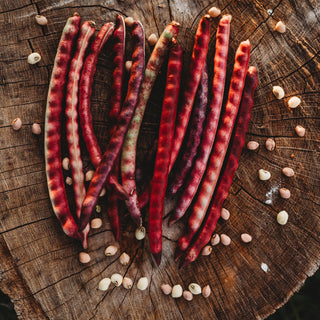
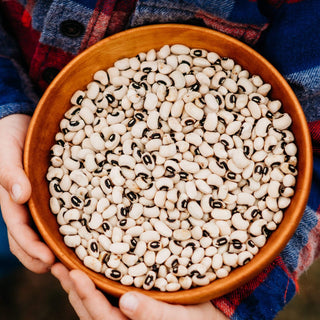
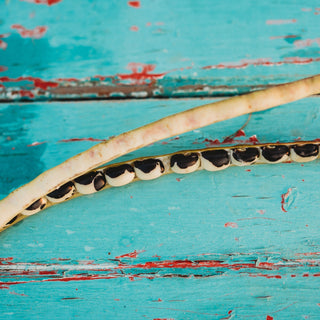
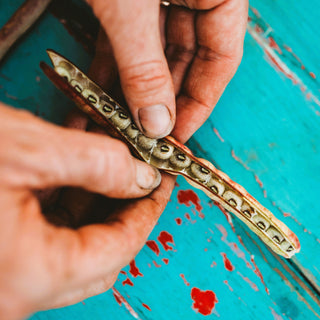
The Whippoorwill pea is a very old Southern heirloom that produces dependable yields of small, speckled cowpeas on vigorous vines that reach 5 foot in length. Well-adapted to heat and drought, Whippoorwill is reliable even in challenging summers and sets pods consistently when many other crops begin to slow. The small, speckled peas are beloved for both fresh eating and dry storage, often cooked with onions and bacon or salt pork.
One of the oldest documented cowpeas known, Whippoorwill peas were grown by Thomas Jefferson at Monticello and appear repeatedly in early American agricultural records. Like many Southern cowpeas, it likely predates the nineteenth century by several generations, passi... More
Vigna unguiculata
The Whippoorwill pea is a very old Southern heirloom that produces dependable yields of small, speckled cowpeas on vigorous vines that reach 5 foot in length. Well-adapted to heat and drought, Whippoorwill is reliable even in challenging summers and sets pods consistently when many other crops begin to slow. The small, speckled peas are beloved for both fresh eating and dry storage, often cooked with onions and bacon or salt pork.
One of the oldest documented cowpeas known, Whippoorwill peas were grown by Thomas Jefferson at Monticello and appear repeatedly in early American agricultural records. Like many Southern cowpeas, it likely predates the nineteenth century by several generations, passing through gardens by way of family seed saving rather than formal breeding. Today, we are offering Whippoorwill in place of Michels cowpea, as Whippoorwill carries stronger documented historical significance—and we suspect the two may, in fact, be closely related expressions of the same long-held variety.
Traditionally, Whippoorwill peas were grown as a dual-purpose crop, valued both for fresh shelling and for drying. When young, the peas are tender and flavorful; when mature, they store well and cook down into a rich, hearty dish that pairs perfectly with braised greens and cornbread. Whether planted for fresh eating, winter storage, or seed saving, Whipporwill remains a practical, time-tested pea that connects the modern garden to generations past. Matures approximately 70-80 days after sowing. Each packet contains a minimum of 50 seeds.
Vigna unguiculata
The Whippoorwill pea is a very old Southern heirloom that produces dependable yields of small, speckled cowpeas on vigorous vines that reach 5 foot in length. Well-adapted to heat and drought, Whippoorwill is reliable even in challenging summers and sets pods consistently when many other crops begin to slow. The small, speckled peas are beloved for both fresh eating and dry storage, often cooked with onions and bacon or salt pork.
One of the oldest ... read more
Vigna unguiculata
The Whippoorwill pea is a very old Southern heirloom that produces dependable yields of small, speckled cowpeas on vigorous vines that reach 5 foot in length. Well-adapted to heat and drought, Whippoorwill is reliable even in challenging summers and sets pods consistently when many other crops begin to slow. The small, speckled peas are beloved for both fresh eating and dry storage, often cooked with onions and bacon or salt pork.
One of the oldest documented cowpeas known, Whippoorwill peas were grown by Thomas Jefferson at Monticello and appear repeatedly in early American agricultural records. Like many Southern cowpeas, it likely predates the nineteenth century by several generations, passing through gardens by way of family seed saving rather than formal breeding. Today, we are offering Whippoorwill in place of Michels cowpea, as Whippoorwill carries stronger documented historical significance—and we suspect the two may, in fact, be closely related expressions of the same long-held variety.
Traditionally, Whippoorwill peas were grown as a dual-purpose crop, valued both for fresh shelling and for drying. When young, the peas are tender and flavorful; when mature, they store well and cook down into a rich, hearty dish that pairs perfectly with braised greens and cornbread. Whether planted for fresh eating, winter storage, or seed saving, Whipporwill remains a practical, time-tested pea that connects the modern garden to generations past. Matures approximately 70-80 days after sowing. Each packet contains a minimum of 50 seeds.