We ship to the United States, its territories and outlying islands. Returns are accepted within 30 days of receipt. Full warranty information can be found here.






✓ Plant with Confidence—Guaranteed Through 2028
 Get it between -
Open-pollinated varieties, perfect for seed saving.
Safe seeds, free of neonics and other treatments.
It's simple. If you have a problem, we make it right.

Capsicum baccatum
Sugar Rush Peach is an exceptionally productive, open-pollinated hot pepper prized for its beautiful peach-colored pods and distinctive fruity sweetness. Don't let the name fool you, though—these pretty little peppers pack a surprising amount of heat.
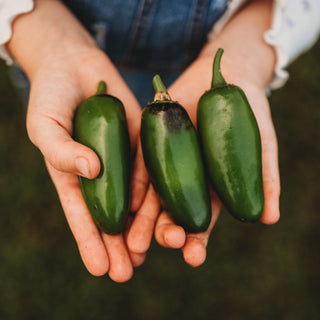
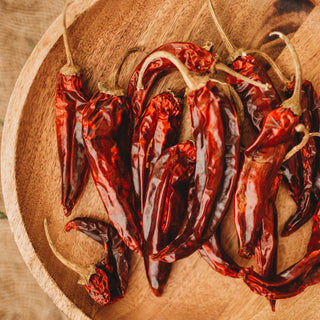
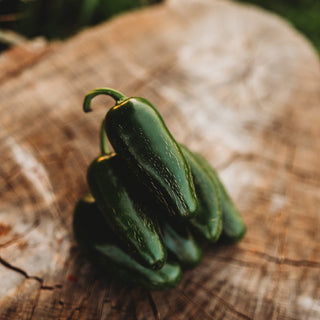
Developed by pepper breeder Chris Fowler of Wales, Sugar Rush Peach originated from an accidental cross between aji-type peppers. The vigorous, branching plants produce abundant yields of elongated, slightly wrinkled peppers that gradually ripen from green to a beautiful shade of peach. The peppers can be slow to ripen, but the plants are remarkably productive once they get going. Staking or caging is recommended to support the weight of the devel... More
Capsicum baccatum
Sugar Rush Peach is an exceptionally productive, open-pollinated hot pepper prized for its beautiful peach-colored pods and distinctive fruity sweetness. Don't let the name fool you, though—these pretty little peppers pack a surprising amount of heat.
Developed by pepper breeder Chris Fowler of Wales, Sugar Rush Peach originated from an accidental cross between aji-type peppers. The vigorous, branching plants produce abundant yields of elongated, slightly wrinkled peppers that gradually ripen from green to a beautiful shade of peach. The peppers can be slow to ripen, but the plants are remarkably productive once they get going. Staking or caging is recommended to support the weight of the developing peppers.
Germination Note: Chocolate Habanero seeds are slower to germinate than most common peppers, typically taking 3–4 weeks to sprout.
It's easy to see why Sugar Rush Peach has become so popular among hot pepper enthusiasts. Its unusual combination of tropical sweetness and substantial heat makes it particularly well suited to homemade hot sauces, fruit salsas, pepper jellies and sweet pickled peppers. For the fullest flavor, allow the peppers to develop their characteristic peach coloration before harvesting. Matures 120 days from transplant. Each packet contains a minimum of 15 seeds.
Capsicum baccatum
Sugar Rush Peach is an exceptionally productive, open-pollinated hot pepper prized for its beautiful peach-colored pods and distinctive fruity sweetness. Don't let the name fool you, though—these pretty little peppers pack a surprising amount of heat.
Developed by pepper breeder Chris Fowler of Wales, Sugar Rush Peach originated from an accidental cross between aji-type peppers. The vigorous, branching plants produce abundant yields of elongated, sl... read more
Capsicum baccatum
Sugar Rush Peach is an exceptionally productive, open-pollinated hot pepper prized for its beautiful peach-colored pods and distinctive fruity sweetness. Don't let the name fool you, though—these pretty little peppers pack a surprising amount of heat.
Developed by pepper breeder Chris Fowler of Wales, Sugar Rush Peach originated from an accidental cross between aji-type peppers. The vigorous, branching plants produce abundant yields of elongated, slightly wrinkled peppers that gradually ripen from green to a beautiful shade of peach. The peppers can be slow to ripen, but the plants are remarkably productive once they get going. Staking or caging is recommended to support the weight of the developing peppers.
Germination Note: Chocolate Habanero seeds are slower to germinate than most common peppers, typically taking 3–4 weeks to sprout.
It's easy to see why Sugar Rush Peach has become so popular among hot pepper enthusiasts. Its unusual combination of tropical sweetness and substantial heat makes it particularly well suited to homemade hot sauces, fruit salsas, pepper jellies and sweet pickled peppers. For the fullest flavor, allow the peppers to develop their characteristic peach coloration before harvesting. Matures 120 days from transplant. Each packet contains a minimum of 15 seeds.