We ship to the United States, its territories and outlying islands. Returns are accepted within 30 days of receipt. Full warranty information can be found here.

Free Shipping on Orders $35+
✓ Plant with Confidence—Guaranteed Through 2027
Get it between -
We ship to the United States, its territories and outlying islands. Returns are accepted within 30 days of receipt. Full warranty information can be found here.
We guarantee our seed to be fresh, vigorous, untreated, and true to variety.
Each packet is guaranteed through the year printed on the packet, plus one full additional growing year.
If your seeds fail to germinate, arrive damaged, or do not grow true to type, please contact us and we will make it right through replacement seed, store credit, or refund when appropriate.
Full warranty policy here.
Open-pollinated varieties, perfect for seed saving.
Safe seeds, free of neonics and other treatments.
It's simple. If you have a problem, we make it right.
Vigna unguiculata
This variety has been replaced by Whippoorwill, as we believe the two to be alternate expressions of the same variety.
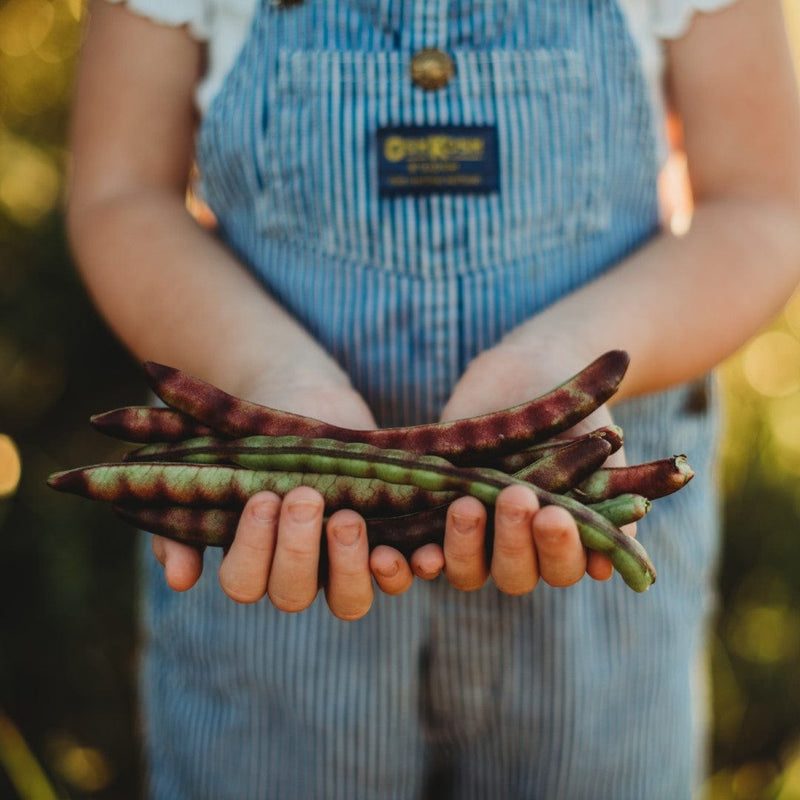
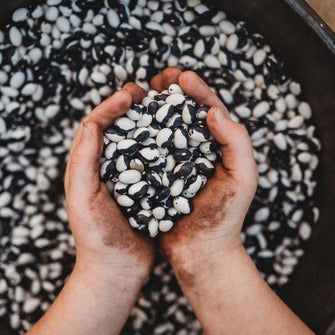
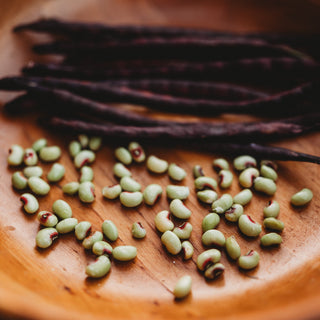
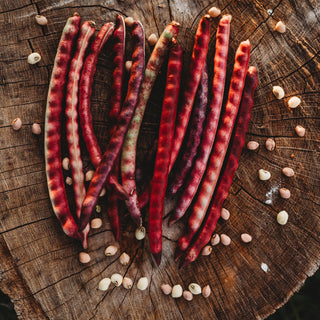
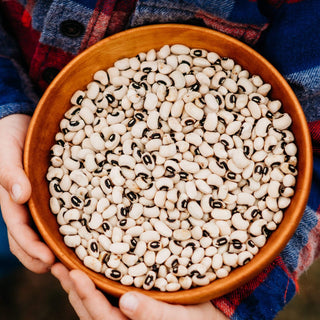
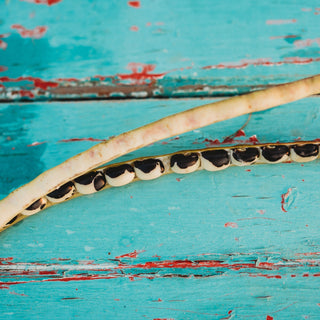
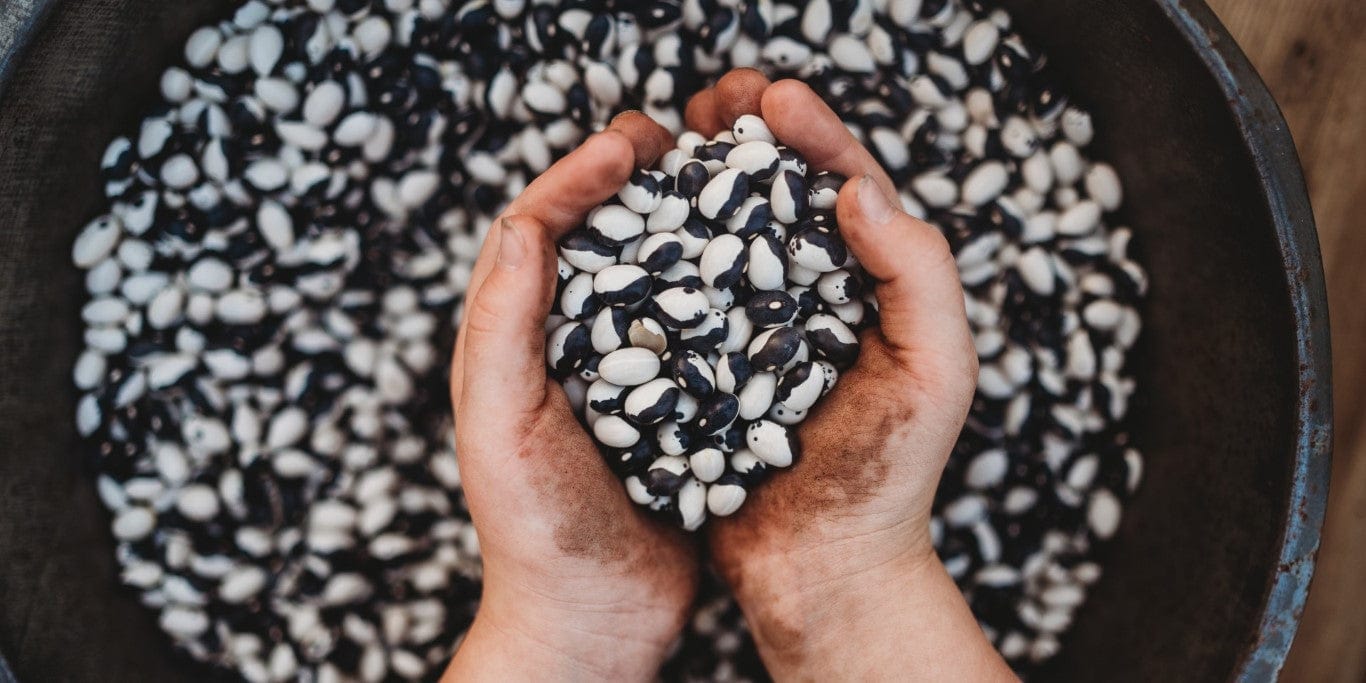
Originally from Vince Michels who collected the seeds from a Tennessee farm field that his Army unit marched by in 1941. Possibly a version of Whipporwill, which was popular at that time. Sprawling vines produce excellent quantities of 8-inch-long pods, each filled with 10 to 20 beautiful seeds. Peas are light tan with darker brown mottling and a brown hilum. Vines have a tendency to run, so trellising is advised for easier harvesting. Approximately 85 to 95 days to harvest. Each pac... More
Vigna unguiculata
This variety has been replaced by Whippoorwill, as we believe the two to be alternate expressions of the same variety.
Originally from Vince Michels who collected the seeds from a Tennessee farm field that his Army unit marched by in 1941. Possibly a version of Whipporwill, which was popular at that time. Sprawling vines produce excellent quantities of 8-inch-long pods, each filled with 10 to 20 beautiful seeds. Peas are light tan with darker brown mottling and a brown hilum. Vines have a tendency to run, so trellising is advised for easier harvesting. Approximately 85 to 95 days to harvest. Each packet contains a minimum of 50 seeds.
Vigna unguiculata
This variety has been replaced by Whippoorwill, as we believe the two to be alternate expressions of the same variety.
Originally from Vince Michels who collected the seeds from a Tennessee farm field that his Army unit marched by in 1941. Possibly a version of Whipporwill, which was popular at that time. Sprawling vines produce excellent quantities of 8-in... read more
Vigna unguiculata
This variety has been replaced by Whippoorwill, as we believe the two to be alternate expressions of the same variety.
Originally from Vince Michels who collected the seeds from a Tennessee farm field that his Army unit marched by in 1941. Possibly a version of Whipporwill, which was popular at that time. Sprawling vines produce excellent quantities of 8-inch-long pods, each filled with 10 to 20 beautiful seeds. Peas are light tan with darker brown mottling and a brown hilum. Vines have a tendency to run, so trellising is advised for easier harvesting. Approximately 85 to 95 days to harvest. Each packet contains a minimum of 50 seeds.
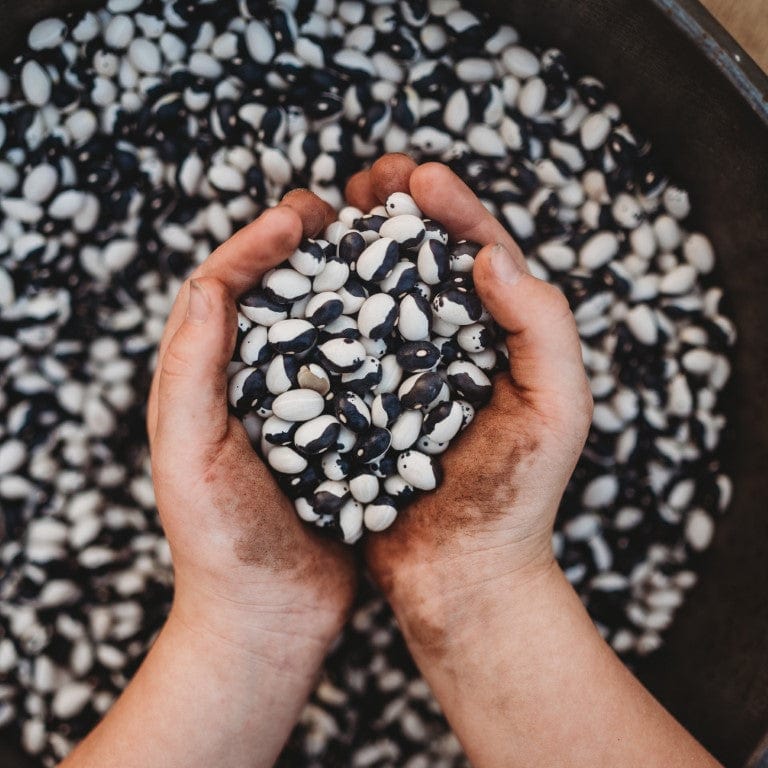
A handful of seeds you've saved yourself is worth more than a bucketful bought in a store—because those seeds carry a season’s worth of hard-earned experience. That’s why our growing guides go beyond planting advice to include comprehensive seed-saving instructions. Because ultimately, there is no more valuable a commodity than earned knowledge.
Cowpeas are a warm-season crop that prefer well-draining soil with a pH between 6.0 and 6.5. They prefer full sun and require at least six hours of sunlight per day for optimal growth. The soil should be kept consistently moist, but not waterlogged, throughout the growing season. Cowpeas are relatively tolerant of drought conditions but may require supplemental watering during prolonged dry spells. Additionally, cowpeas are nitrogen-fixing plants and can benefit from the addition of nitrogen-fixing bacteria to the soil.
After danger of frost has passed, sow seeds 1" deep, 2" apart in rows 36" apart. Provide support for vining varieties. Many non-vining varieties will exhibit some degree of vining if given support.
Not recommended
Insect Pests
Cowpeas are susceptible to various insects, including aphids, thrips, leafhoppers, and bean beetles, which can cause significant damage to the plants. Using insecticidal soap or neem oil can help control insect infestations, while using disease-resistant cultivars and rotating crops can reduce the risk of disease.
Diseases & Other Problems
Diseases such as root rot, bacterial blight, and powdery mildew can occasionally affect cowpeas, especially in warm and humid conditions. To prevent these issues, it is important to maintain good garden hygiene, avoid overcrowding, and provide adequate air circulation.
Cowpeas are typically ready to harvest 70 to 90 days after planting, depending on the variety and growing conditions. The pods should be firm and plump and should snap easily when bent. To harvest, simply pick the pods from the plant by hand by lifting up to separate it from the stem. Cowpeas can be eaten fresh or dried for later use. If harvesting for dry beans, wait until the pods have turned brown and dry on the vine before harvesting.
CONSIDERATIONS:
Cowpeas are typically self-pollinating and do not require isolation. However, to prevent rare cases of cross-pollination, plant different cowpea varieties 20 feet apart or stagger planting times. Use physical barriers to isolate plants for seed-saving purposes or in areas with high cross-pollination risk.
HARVESTING SEED:
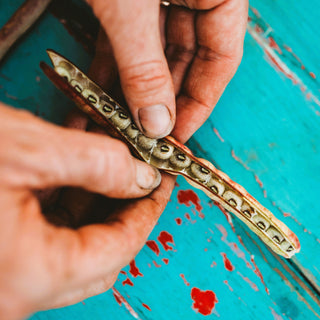
To save seeds from cowpeas, allow the pods to dry on the vine until they are brown and crispy. Remove the pods from the plant and break them open to reveal the seeds. Separate the seeds from the pod debris and spread them out in a single layer on a tray or screen to dry completely. Once the seeds are dry, store them in an airtight container in a cool, dry place until you are ready to plant them the following season.
SEED LONGETIVITY:
Cowpea seeds can maintain viability for up to 3 to 5 years if stored properly in a cool, dry, and dark place.
Good
Excellent!
I planted the Cowpeas and they are about 12 inches high already. it has only been a few weeks! I can not wait until the are making peas!! I should have a bumper crop!!
Thank you
Sign up to get the latest on sales, new releases, and more...