We ship to the United States, its territories and outlying islands. Returns are accepted within 30 days of receipt. Full warranty information can be found here.

Free Shipping on Orders $35+
✓ Plant with Confidence—Guaranteed Through 2027
Get it between -
We ship to the United States, its territories and outlying islands. Returns are accepted within 30 days of receipt. Full warranty information can be found here.
We guarantee our seed to be fresh, vigorous, untreated, and true to variety.
Each packet is guaranteed through the year printed on the packet, plus one full additional growing year.
If your seeds fail to germinate, arrive damaged, or do not grow true to type, please contact us and we will make it right through replacement seed, store credit, or refund when appropriate.
Full warranty policy here.
Open-pollinated varieties, perfect for seed saving.
Safe seeds, free of neonics and other treatments.
It's simple. If you have a problem, we make it right.
Beta vulgaris
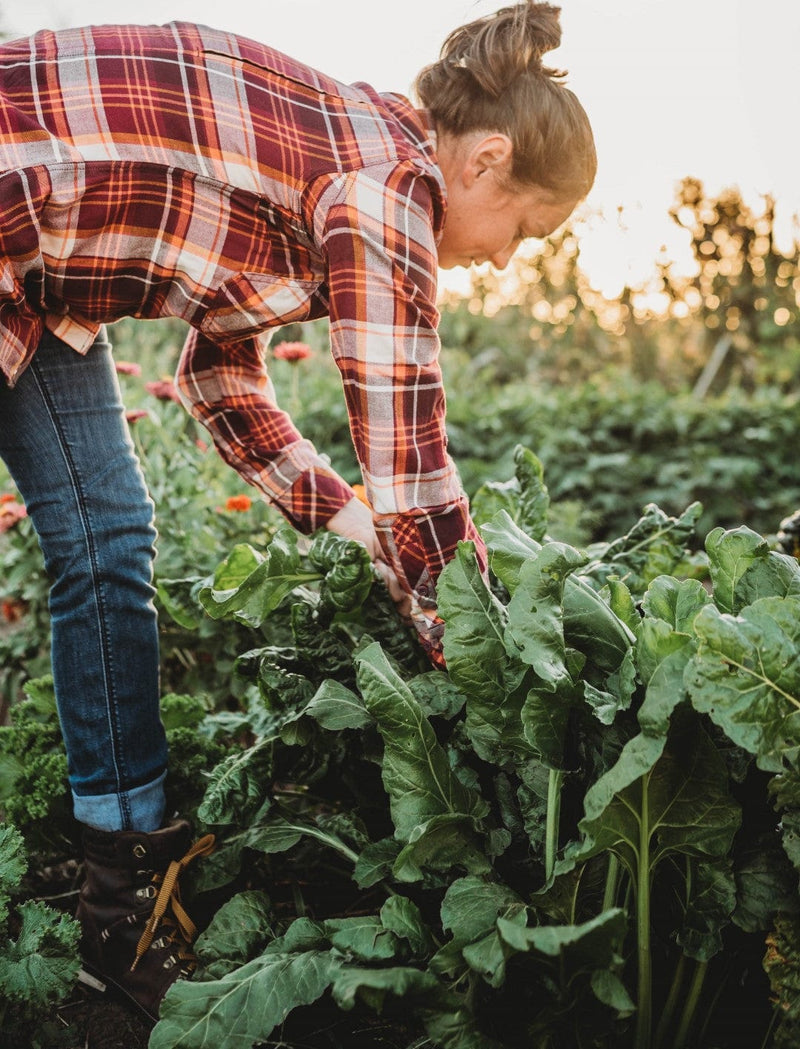
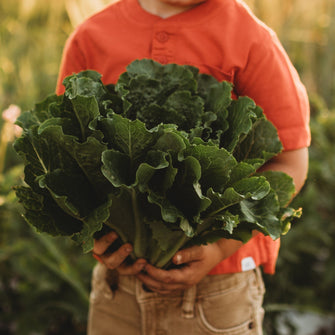
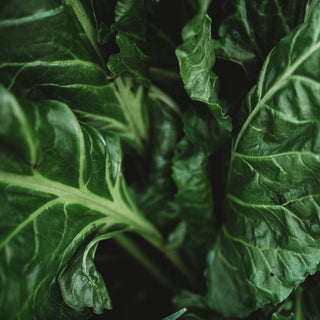
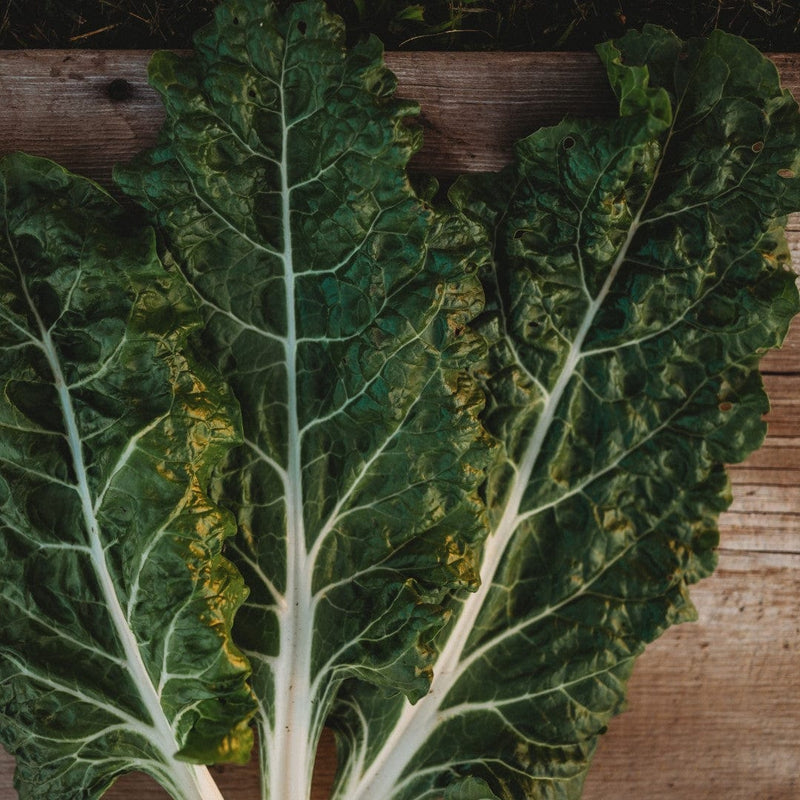
Fordhook Giant is an heirloom variety of chard first introduced by W. Atlee Burpee & Company in 1924. For the last hundred years, this well-loved variety has been prized for its large, crumpled, dark green leaves that reach up to two feet in length. Vigorous, robust plants yield ceaselessly from spring until fall, even surviving some of the first fall frosts (longer if some protection is provided). The thick yet tender, savoyed leaves have a pleasant, mild flavor that is reminiscent of spinach and are likewise well-suited for sauteing, braising, or fresh eating when young. White midribs are often chopped and prepared similar to asparagus. Approximately 60 days to harvest. Each packet contains a ... More
Beta vulgaris
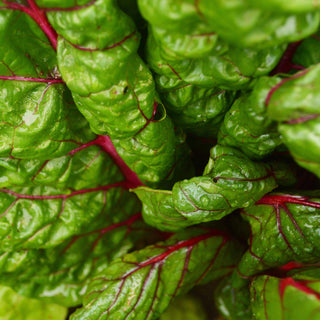
Fordhook Giant is an heirloom variety of chard first introduced by W. Atlee Burpee & Company in 1924. For the last hundred years, this well-loved variety has been prized for its large, crumpled, dark green leaves that reach up to two feet in length. Vigorous, robust plants yield ceaselessly from spring until fall, even surviving some of the first fall frosts (longer if some protection is provided). The thick yet tender, savoyed leaves have a pleasant, mild flavor that is reminiscent of spinach and are likewise well-suited for sauteing, braising, or fresh eating when young. White midribs are often chopped and prepared similar to asparagus. Approximately 60 days to harvest. Each packet contains a minimum of 100 seeds.
Beta vulgaris
Fordhook Giant is an heirloom variety of chard first introduced by W. Atlee Burpee & Company in 1924. For the last hundred years, this well-loved variety has been prized for its large, crumpled, dark green leaves that reach up to two feet in length. Vigorous, robust plants yield ceaselessly from spring until fall, even surviving some of the first fall frosts (longer if some protection is provided). The thick yet tender, savoyed leaves have a pleasant, m... read more
Beta vulgaris
Fordhook Giant is an heirloom variety of chard first introduced by W. Atlee Burpee & Company in 1924. For the last hundred years, this well-loved variety has been prized for its large, crumpled, dark green leaves that reach up to two feet in length. Vigorous, robust plants yield ceaselessly from spring until fall, even surviving some of the first fall frosts (longer if some protection is provided). The thick yet tender, savoyed leaves have a pleasant, mild flavor that is reminiscent of spinach and are likewise well-suited for sauteing, braising, or fresh eating when young. White midribs are often chopped and prepared similar to asparagus. Approximately 60 days to harvest. Each packet contains a minimum of 100 seeds.
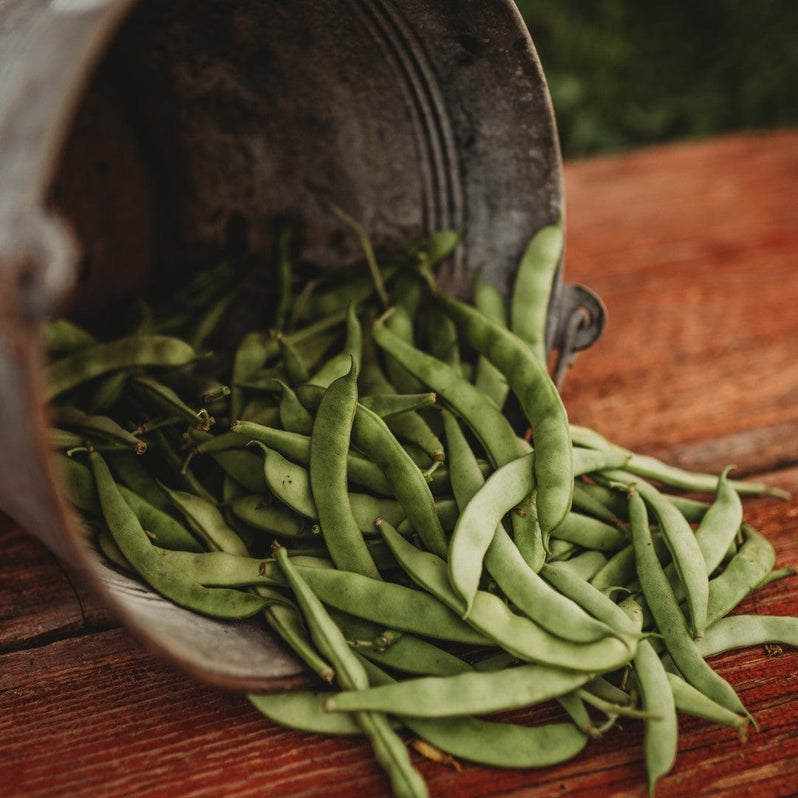
New varieties come and go, but an heirloom is one that has stood the test of time. Families have stewarded these seeds for generations because they valued their dependability and flavor as much as they did their history—and we can think of no better recommendation than that.
Swiss chard prefers well-draining soil that is rich in organic matter and slightly acidic to neutral pH. It can grow in full sun or partial shade, but it typically does best with at least 6 hours of sunlight per day. Swiss chard also prefers consistent moisture, so it's important to water it regularly during dry spells. In hotter regions, Swiss chard may benefit from some afternoon shade to prevent heat stress.
Sow seeds outdoors roughly one month before the last frost. Plant seeds 1/2 inch deep, 2" apart in rows 24" apart. We have had great success interplanting our chard with early-maturing radishes, which are ready to harvest around the same time that beet seedlings are ready to be thinned. This helps keep the soil moist and prevents it from crusting before the fragile beet seedlings have emerged. When thinning, aim for a final stand of one plant every 6-8".
While not recommended, chard may be started indoors 5 weeks before the last frost and transplanted outside roughly three weeks later.
Insect Pests
Although not normally a problem, Swiss chard can be affected by a range of insect pests, including aphids, flea beetles, and leaf miners. Most of these insects can be controlled using a homemade or purchased insecticidal soap.
Diseases & Other Problems
Swiss chard can be susceptible to various diseases such as leaf spot, downy mildew, and bacterial leaf spot, which can cause yellowing, wilting, and browning of the leaves. Other problems that may affect Swiss chard include nutrient deficiencies, such as iron and magnesium deficiency, and environmental stresses like drought or extreme heat.
Swiss chard leaves can be harvested once they reach a size of around 6 to 8 inches tall by cutting them from the base of the plant. To store Swiss chard, it is important to wash and dry the leaves thoroughly before storing them in a plastic bag or container in the refrigerator. Swiss chard can be stored for up to 5 days in the refrigerator, but it is best to use it as soon as possible to ensure maximum freshness and flavor. The stems can also be harvested and stored separately, but they should be used within a few days as they do not keep as well as the leaves.
CONSIDERATIONS:
Chard is a biennial plant that must be overwintered to produce seed. Pollination occurs primarily through wind and the plants therefore require at least a quarter mile of isolation from other beet and chard varieties to maintain varietal purity. In areas with hard winters, chard can be dug and overwintered in a cellar before replanting the following spring.
HARVESTING SEED:
Chard seed is ready to harvest once a majority of the seeds on a plant have dried, at which time it is pulled and windrowed or placed on a tarp to finish the drying process. Rub the seeds off the stalk and winnow to remove dust and chaff.
SEED LONGETIVITY:
Chard seeds will maintain at least 50% germination for six years when stored under ideal conditions.
Sign up to get the latest on sales, new releases, and more...