We ship to the United States, its territories and outlying islands. Returns are accepted within 30 days of receipt. Full warranty information can be found here.






✓ Plant with Confidence—Guaranteed Through 2027
 Get it between -
Open-pollinated varieties, perfect for seed saving.
Safe seeds, free of neonics and other treatments.
It's simple. If you have a problem, we make it right.

Brassica oleracea
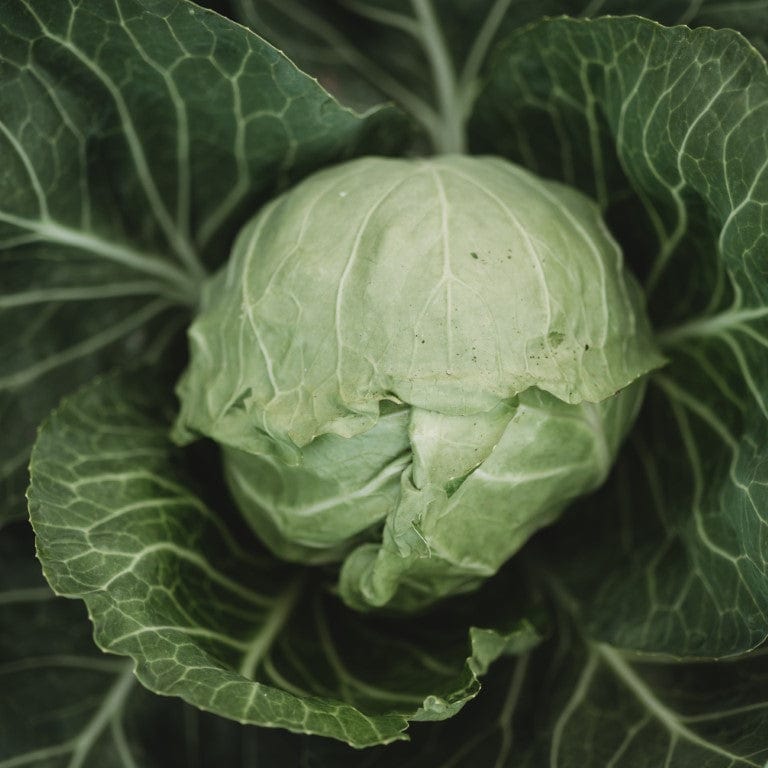
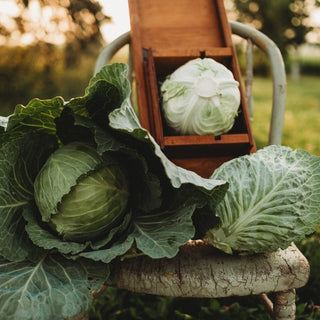
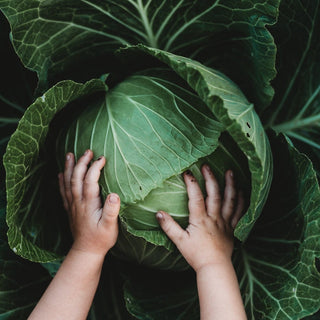
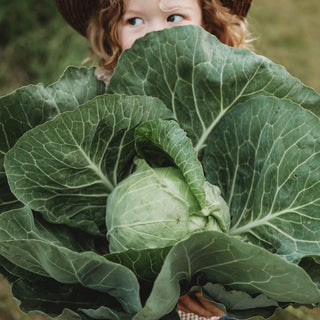
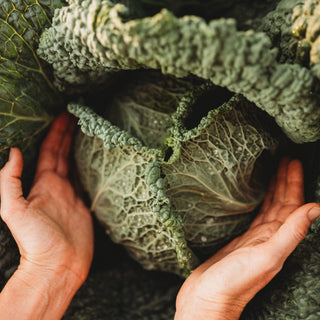
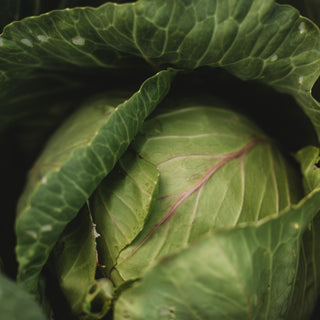
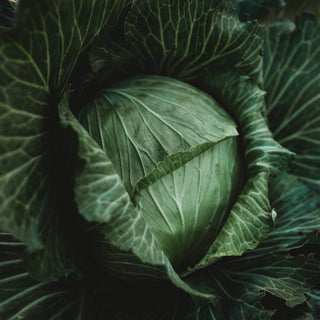
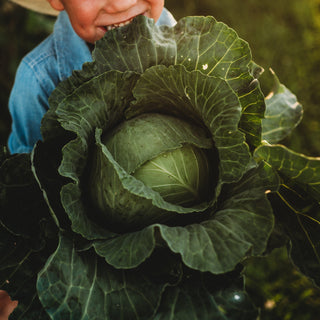
Early Jersey Wakefield is a beloved heirloom cabbage variety prized for its early maturity, compact growth habit, and distinctive pointed heads. This dependable early-season cabbage produces tightly packed, conical heads weighing approximately 2–3 pounds, with attractive blue-green outer leaves and a tender, pale green interior. Its reliable heading and manageable size make it an excellent choice for home gardeners seeking a productive spring cabbage.
With a history stretching back nearly two centuries, Early Jersey Wakefield originated from an English cabbage variety brought to the United States in 1840 by Francis Brill of Jersey City, New Jersey. The variety was subsequently refined for Ameri... More
Brassica oleracea
Early Jersey Wakefield is a beloved heirloom cabbage variety prized for its early maturity, compact growth habit, and distinctive pointed heads. This dependable early-season cabbage produces tightly packed, conical heads weighing approximately 2–3 pounds, with attractive blue-green outer leaves and a tender, pale green interior. Its reliable heading and manageable size make it an excellent choice for home gardeners seeking a productive spring cabbage.
With a history stretching back nearly two centuries, Early Jersey Wakefield originated from an English cabbage variety brought to the United States in 1840 by Francis Brill of Jersey City, New Jersey. The variety was subsequently refined for American growing conditions and became a favorite among nineteenth-century market gardeners. By the late 1860s, it was appearing in American seed catalogs, where its early maturity, reliable heading, and excellent quality helped establish its lasting popularity.
Early Jersey Wakefield is particularly well suited to spring gardens, where its relatively small heads make efficient use of limited growing space. The tightly folded leaves have a pleasant, sweet flavor and crisp, tender texture, making them especially delicious in fresh coleslaw, chopped salads, and lightly sautéed vegetable dishes. The compact heads are also conveniently sized for smaller households, providing just the right amount of fresh cabbage without leaving an enormous head to use up. Expect to harvest approximately 60–65 days after transplanting. Each packet contains a minimum of 100 seeds.
Brassica oleracea
Early Jersey Wakefield is a beloved heirloom cabbage variety prized for its early maturity, compact growth habit, and distinctive pointed heads. This dependable early-season cabbage produces tightly packed, conical heads weighing approximately 2–3 pounds, with attractive blue-green outer leaves and a tender, pale green interior. Its reliable heading and manageable size make it an excellent choice for home gardeners seeking a productive spring cabbage.
... read moreBrassica oleracea
Early Jersey Wakefield is a beloved heirloom cabbage variety prized for its early maturity, compact growth habit, and distinctive pointed heads. This dependable early-season cabbage produces tightly packed, conical heads weighing approximately 2–3 pounds, with attractive blue-green outer leaves and a tender, pale green interior. Its reliable heading and manageable size make it an excellent choice for home gardeners seeking a productive spring cabbage.
With a history stretching back nearly two centuries, Early Jersey Wakefield originated from an English cabbage variety brought to the United States in 1840 by Francis Brill of Jersey City, New Jersey. The variety was subsequently refined for American growing conditions and became a favorite among nineteenth-century market gardeners. By the late 1860s, it was appearing in American seed catalogs, where its early maturity, reliable heading, and excellent quality helped establish its lasting popularity.
Early Jersey Wakefield is particularly well suited to spring gardens, where its relatively small heads make efficient use of limited growing space. The tightly folded leaves have a pleasant, sweet flavor and crisp, tender texture, making them especially delicious in fresh coleslaw, chopped salads, and lightly sautéed vegetable dishes. The compact heads are also conveniently sized for smaller households, providing just the right amount of fresh cabbage without leaving an enormous head to use up. Expect to harvest approximately 60–65 days after transplanting. Each packet contains a minimum of 100 seeds.