We ship to the United States, its territories and outlying islands. Returns are accepted within 30 days of receipt. Full warranty information can be found here.

Free Shipping on Orders $35+
✓ Plant with Confidence—Guaranteed Through 2027
Get it between -
We ship to the United States, its territories and outlying islands. Returns are accepted within 30 days of receipt. Full warranty information can be found here.
We guarantee our seed to be fresh, vigorous, untreated, and true to variety.
Each packet is guaranteed through the year printed on the packet, plus one full additional growing year.
If your seeds fail to germinate, arrive damaged, or do not grow true to type, please contact us and we will make it right through replacement seed, store credit, or refund when appropriate.
Full warranty policy here.
Open-pollinated varieties, perfect for seed saving.
Safe seeds, free of neonics and other treatments.
It's simple. If you have a problem, we make it right.
Allium ampeloprasum
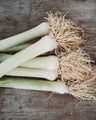
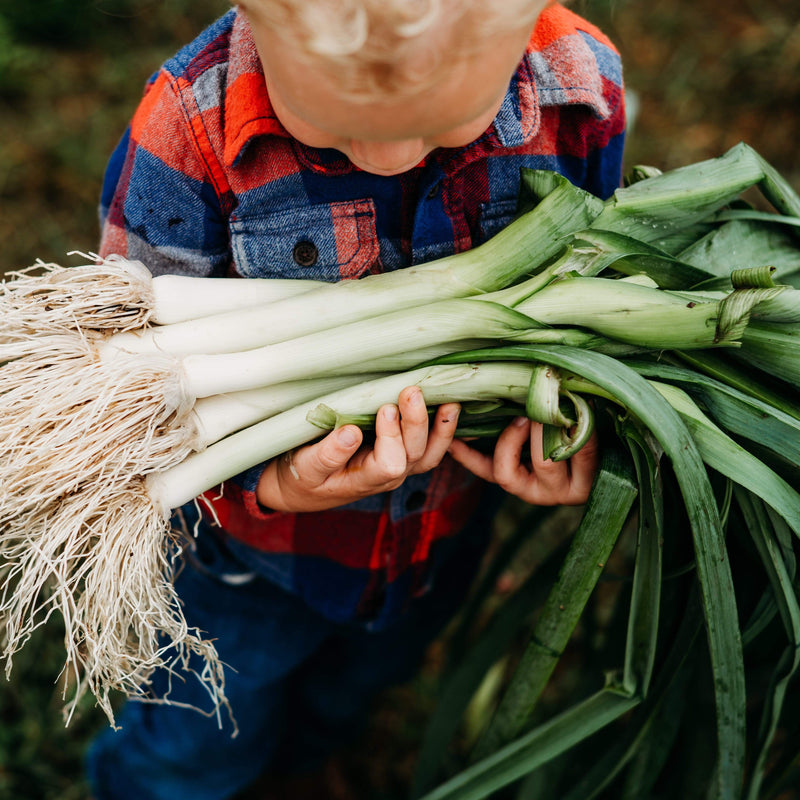
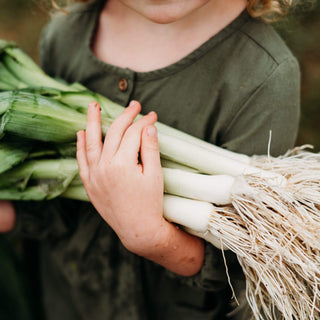
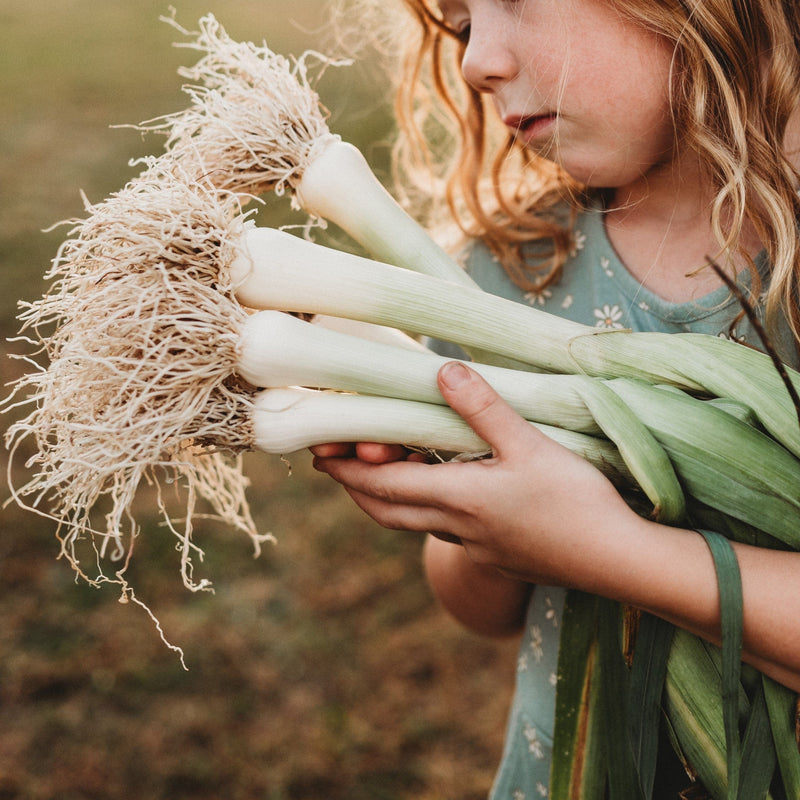
Giant Musselburgh is a very old Scottish heirloom that produces large, tender necks averaging 2-3 inches across. The largest of our trials, Giant Musselburgh leek is very easy to grow and requires little care. Just keep them watered and weeded and you'll be enjoying delicious, tender leeks all fall and winter. Best of all, their exceptional cold tolerance means that you don't need to do much to preserve them for later. Maybe throw some straw over the plants if you live in a very cold region. They'll keep in the garden until you're ready for them. We sometimes will also slice up a handful in the fall and freeze them for convenience. Giant Musselburgh matures approximately 120 days after transp... More
Allium ampeloprasum
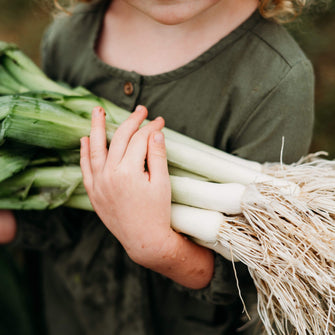
Giant Musselburgh is a very old Scottish heirloom that produces large, tender necks averaging 2-3 inches across. The largest of our trials, Giant Musselburgh leek is very easy to grow and requires little care. Just keep them watered and weeded and you'll be enjoying delicious, tender leeks all fall and winter. Best of all, their exceptional cold tolerance means that you don't need to do much to preserve them for later. Maybe throw some straw over the plants if you live in a very cold region. They'll keep in the garden until you're ready for them. We sometimes will also slice up a handful in the fall and freeze them for convenience. Giant Musselburgh matures approximately 120 days after transplant. Each packet contains a minimum of 100 seeds.
Allium ampeloprasum
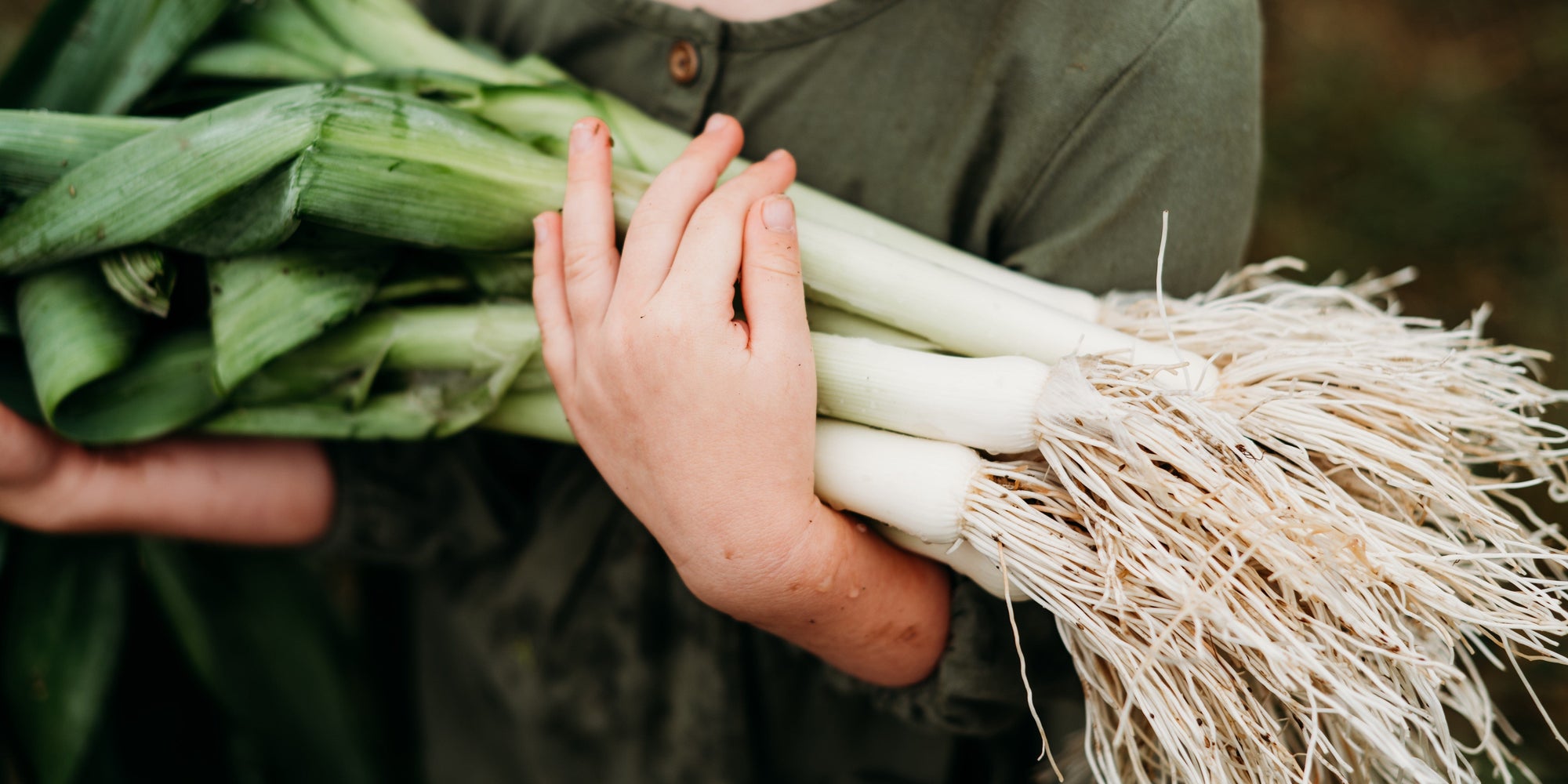
Giant Musselburgh is a very old Scottish heirloom that produces large, tender necks averaging 2-3 inches across. The largest of our trials, Giant Musselburgh leek is very easy to grow and requires little care. Just keep them watered and weeded and you'll be enjoying delicious, tender leeks all fall and winter. Best of all, their exceptional cold tolerance means that you don't need to do much to preserve them for later. Maybe throw some straw over the... read more
Allium ampeloprasum
Giant Musselburgh is a very old Scottish heirloom that produces large, tender necks averaging 2-3 inches across. The largest of our trials, Giant Musselburgh leek is very easy to grow and requires little care. Just keep them watered and weeded and you'll be enjoying delicious, tender leeks all fall and winter. Best of all, their exceptional cold tolerance means that you don't need to do much to preserve them for later. Maybe throw some straw over the plants if you live in a very cold region. They'll keep in the garden until you're ready for them. We sometimes will also slice up a handful in the fall and freeze them for convenience. Giant Musselburgh matures approximately 120 days after transplant. Each packet contains a minimum of 100 seeds.
We care about what we put in your hands and in the soil. That’s why our seeds are never treated with neonicotinoids or any other chemicals. Our varieties are all non-GMO and non-hybrid, so you can save seeds from your plants and grow them again next year.
Leeks require a fertile, well-draining soil with a pH between 6.0 and 7.0. They prefer a soil high in organic matter, so adding compost or well-aged manure to the soil before planting is recommended. Leeks grow best in full sun, although they can tolerate some shade. They prefer cool temperatures and can be planted in early spring or late summer for a fall harvest. Leeks need consistent moisture, but overwatering should be avoided, as this can lead to rot or disease. It's also important to keep the area around leek plants weed-free, as weeds can compete for water and nutrients and make it difficult for the leeks to grow.
Start indoors 4-6 weeks before last frost. Sow seeds 1/4" deep in well moistened seed starting mix and cover with a plastic dome. Set in a warm place and keep moist until germination has occurred (7-14 days). Once most of the seed has germinated, remove the plastic top and give plants access to light (if not already) Trim tops down when they reach 4-5" to prevent them from becoming tangled.
Set outdoors as soon as soil can be worked. In new location, poke a 4" deep hole in the soil with a pencil, carefully tease apart seedling from tray and lower the seedling into the hole, burying 2-3" of stem. Final spacing should be 2-3" between plants with rows 18" apart. Fertilize regularly in spring and early summer. Hill up soil around plants as needed to blanch stems.
Insect Pests
Although not a problem for most gardeners, onion maggots are the predominant threat to leeks and can cause stunted growth and even death of young plants. To prevent and control these pests, it's recommended to rotate crops, remove any infested plant debris, and use insecticidal sprays or dusts as needed. Sticky traps placed near the base of plants can also be used to monitor and trap the adults.
Diseases & Other Problems
Leeks stems need to be hilled up to encourage elongation of the lower stem. This will also help to "blanch" the lower portion of the stem.
To harvest leeks, wait until they are about 1 inch in diameter and at least 6 inches long, then loosen the soil around them and pull them out. To store, cut off the roots and remove any damaged outer leaves. Store in a cool, dark, and well-ventilated place for up to 2 weeks. Alternatively, chop and freeze for longer storage.
CONSIDERATIONS:
Leeks are outbreeding plants with pollination primarily performed by insects. They are true biennials, producing a flower stalk in the second year. Leeks can be overwintered in the ground in climates where winter temperatures do not dip much below freezing. Otherwise, they can be dug and stored ideally at 32 degrees, 80-90 percent humidity for 4-6 weeks to stimulate flowering. Plants will bloom once transplanted outdoors in the spring. Leeks will not cross with onions or other members of the allium family, however if more than one variety is allowed to flower at a time, care should be taken to ensure that the plants are not allowed to cross pollinate. Caging with introduced pollinators or alternate day caging are both suitable options for producing seed for multiple varieties at a time.
HARVESTING SEED:
Leek seeds are ready to harvest once the pods have turned brown. They are less prone to shattering, compared to onions, so daily seed collection is not necessary. To harvest seeds, place mature heads in a paper or cloth bag and crush to release the seeds. Winnow and store in an airtight container until ready to use.
SEED LONGETIVITY:
Leek seeds remain viable for three years when stored under ideal conditions.
Sign up to get the latest on sales, new releases, and more...