We ship to the United States, its territories and outlying islands. Returns are accepted within 30 days of receipt. Full warranty information can be found here.

Free Shipping on Orders $35+
✓ Plant with Confidence—Guaranteed Through 2027
Get it between -
We ship to the United States, its territories and outlying islands. Returns are accepted within 30 days of receipt. Full warranty information can be found here.
We guarantee our seed to be fresh, vigorous, untreated, and true to variety.
Each packet is guaranteed through the year printed on the packet, plus one full additional growing year.
If your seeds fail to germinate, arrive damaged, or do not grow true to type, please contact us and we will make it right through replacement seed, store credit, or refund when appropriate.
Full warranty policy here.
Open-pollinated varieties, perfect for seed saving.
Safe seeds, free of neonics and other treatments.
It's simple. If you have a problem, we make it right.
Beta vulgaris
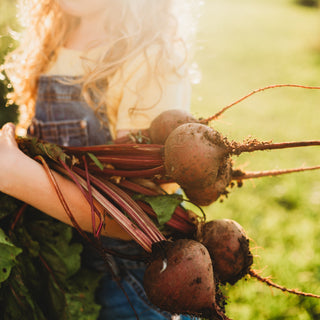
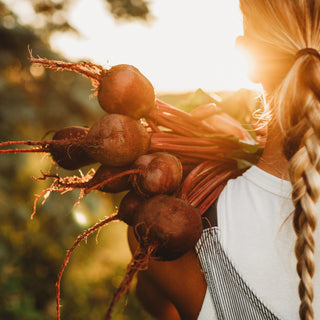
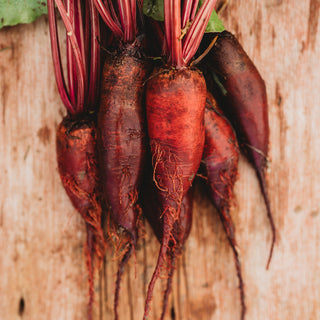
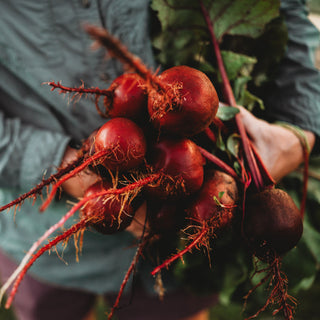
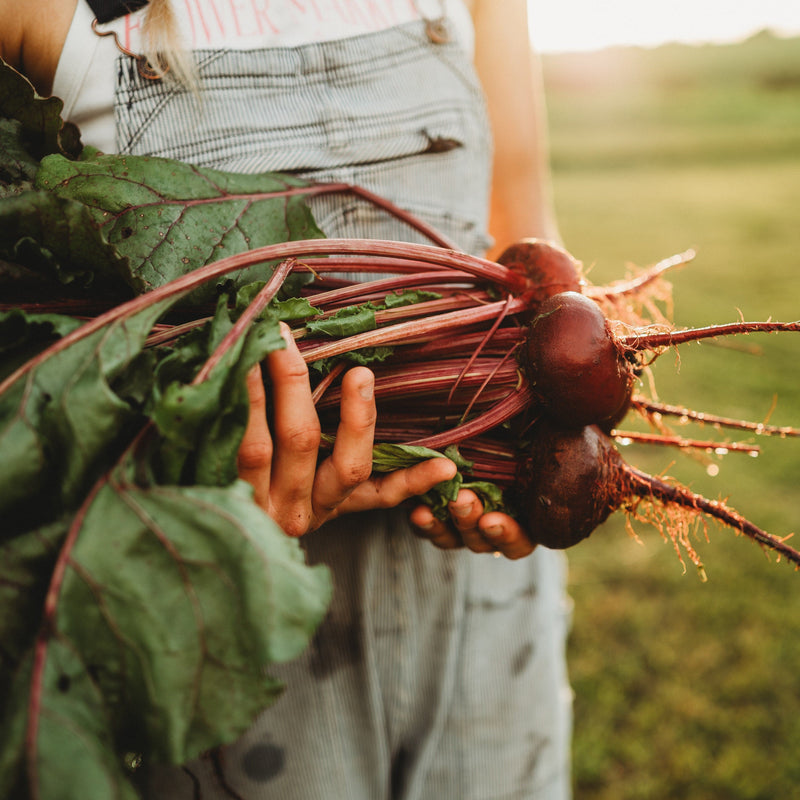
A descendant of the Egyptian Beet (1865), Crosby Egyptian Beet was introduced in 1880 by the seedsman James Gregory who purchased it from market gardener Josiah Crosby. An early variety that produces large, heart-shaped beets that hold their shape throughout the growing season. Crosby Egyptian Beet has a tender, sweet flavor and is perfect for juicing, pickling, or roasting. Approximately 60 days to harvest. Each packet contains a minimum of 100 seeds.
Beta vulgaris
A descendant of the Egyptian Beet (1865), Crosby Egyptian Beet was introduced in 1880 by the seedsman James Gregory who purchased it from market gardener Josiah Crosby. An early variety that produces large, heart-shaped beets that hold their shape throughout the growing season. Crosby Egyptian Beet has a tender, sweet flavor and is perfect for juicing, pickling, or roasting. Approximately 60 days to harvest. Each packet contains a minimum of 100 seeds.
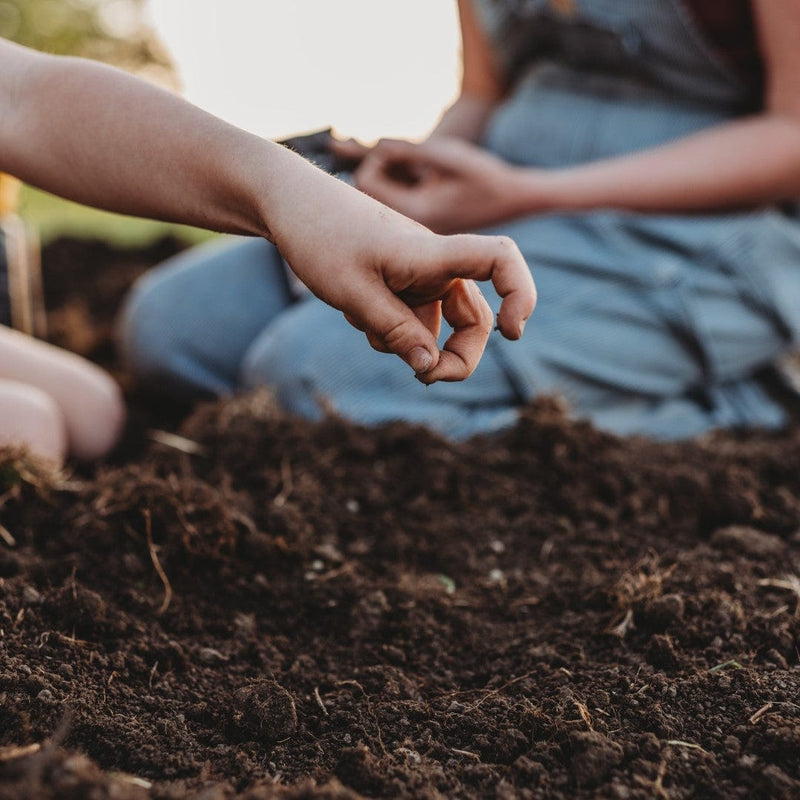
Sweat on your brow, hands in the dirt, and a smile on your face. You aren't afraid of a little hard work, and we're here to ensure that your efforts are rewarded. You can rest assured that our top-quality seeds from dependable, time-tested varieties will have you reaping more than just satisfaction from your hard day's work.
Growing heirloom beets is a fun and rewarding garden endeavor and with a little preparation, it couldn't be easier! Beets prefer a light soil that is high in organic matter with a slightly acidic to neutral pH. Growers in areas where beets are prone to scab may benefit from amending to a slightly higher pH, but this is not necessary for most gardeners. Plants require low amounts of nitrogen and moderate amounts of phosphorus and potassium to promote root growth. Fertilizing is rarely necessary, but if you choose to do so, be sure not to supply too much nitrogen as this will encourage vegetative growth at the expense of roots.
Sow seeds outdoors roughly one month before the last frost. Some gardeners prefer to soak seeds for 24 hours before planting as this can aid in germination. Plant seeds 1/2 inch deep, 1-2" apart in rows 12" apart. We have had great success interplanting our beets with early-maturing radishes, which are ready to harvest around the same time that beet seedlings are ready to be thinned. This helps keep the soil moist and prevents it from crusting before the fragile beet seedlings have emerged. When thinning, aim for a final stand of one plant every 3-4".
While not recommended, beets may be started indoors 5 weeks before the last frost and transplanted outside roughly three weeks later.
Insect Pests
Although not normally a problem, beets can be affected by a range of insect pests, including aphids, flea beetles, and leaf miners. Most of these insects can be controlled using a homemade or purchased insecticidal soap.
Diseases & Other Problems
Proper tillage and/or crop rotation is effective at preventing most diseases. Scab can be minimized by watering regularly throughout the growing season.
Harvest heirloom beets when the roots reach their desired size, usually 1.5-2.5 inches in diameter. Individual leaves may also be clipped and used as a fresh or wilted green. Store harvested roots in vegetable bags and refrigerate or place in damp sand and store in a root cellar.
CONSIDERATIONS:
Beets are a biennial plants and must overwinter to produce seed. They are wind-pollinated and require at least a quarter mile of isolation from other beet and chard varieties to maintain varietal purity. In areas with hard winters, beets can be dug and overwintered in a cellar before replanting the following spring.
HARVESTING SEED:
Beet seed is ready to harvest once a majority of the seeds on a plant have dried, at which time it is pulled and windrowed or placed on a tarp to finish the drying process. Rub the beet seeds off the stalk and winnow to remove dust and chaff.
SEED LONGETIVITY:
Beet seeds will maintain at least 50% germination for six years when stored under ideal conditions.
Sign up to get the latest on sales, new releases, and more...