We ship to the United States, its territories and outlying islands. Returns are accepted within 30 days of receipt. Full warranty information can be found here.

Free Shipping on Orders $35+
✓ Plant with Confidence—Guaranteed Through 2027
Get it between -
We ship to the United States, its territories and outlying islands. Returns are accepted within 30 days of receipt. Full warranty information can be found here.
We guarantee our seed to be fresh, vigorous, untreated, and true to variety.
Each packet is guaranteed through the year printed on the packet, plus one full additional growing year.
If your seeds fail to germinate, arrive damaged, or do not grow true to type, please contact us and we will make it right through replacement seed, store credit, or refund when appropriate.
Full warranty policy here.
Open-pollinated varieties, perfect for seed saving.
Safe seeds, free of neonics and other treatments.
It's simple. If you have a problem, we make it right.
Capsicum annuum
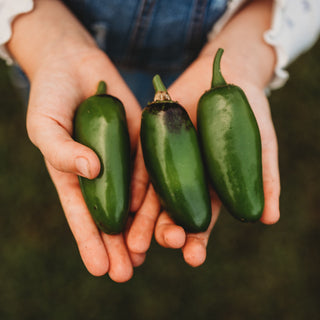
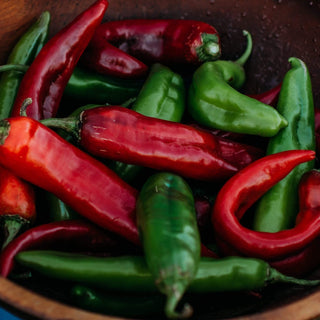
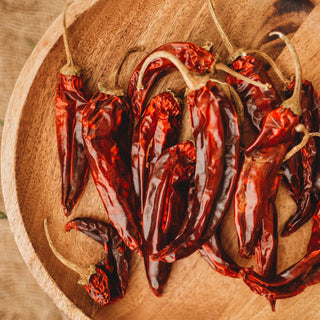
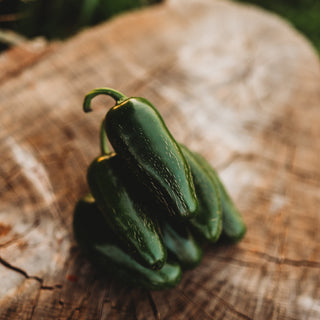
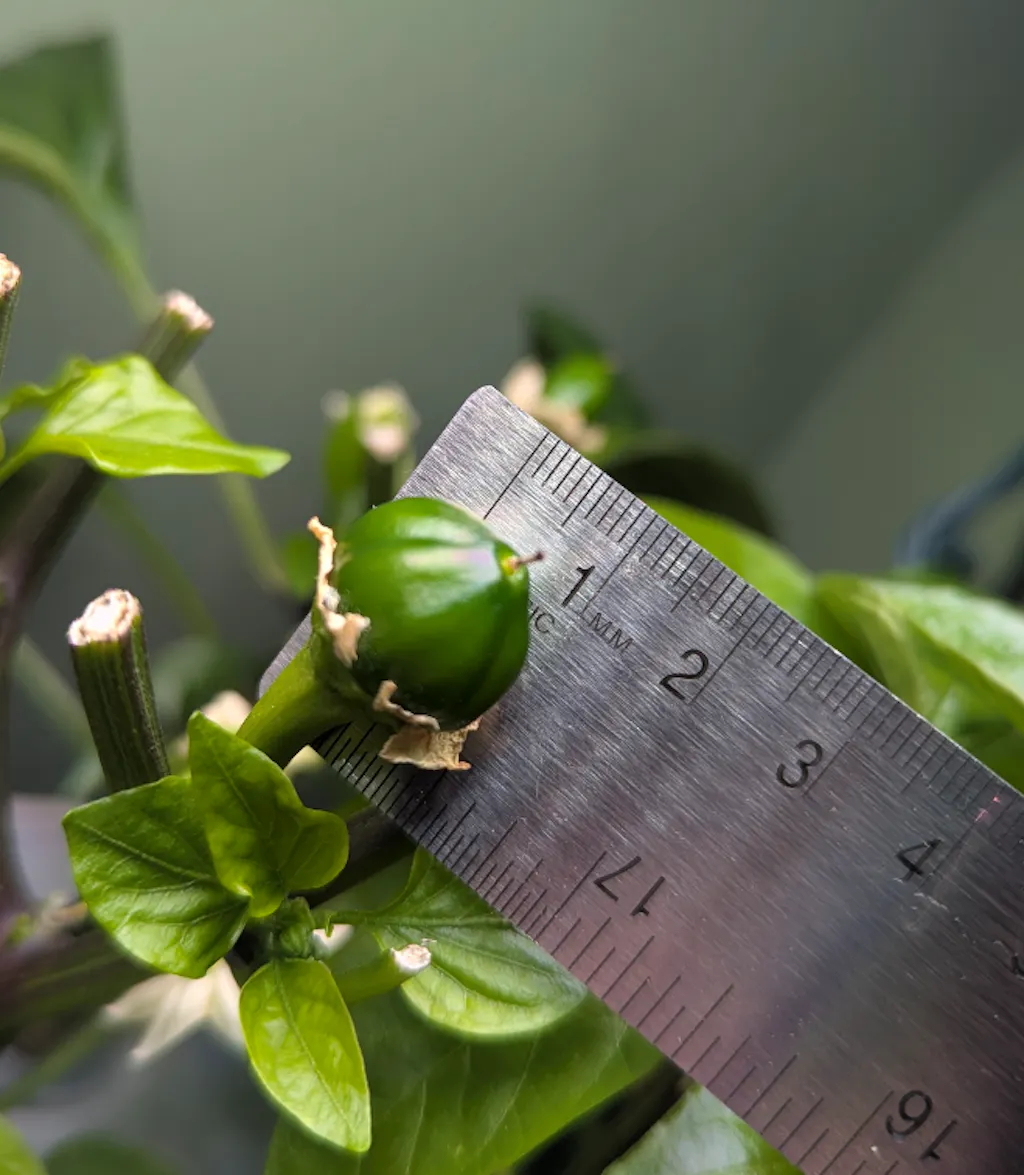
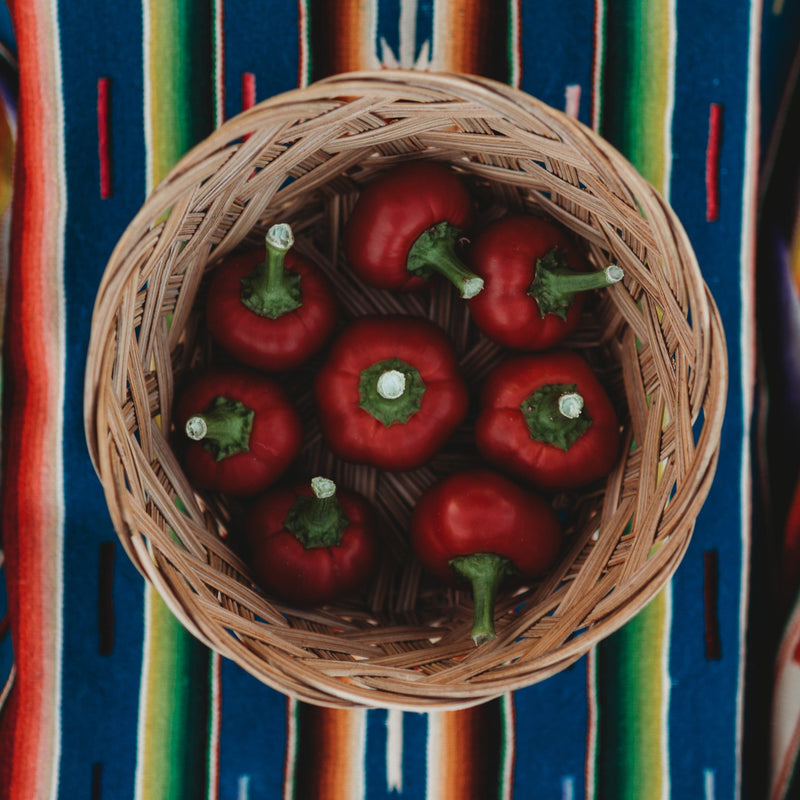
A popular variety for drying, Cascabel is a small, mildly spicy pepper averaging 1 to 2 inches in diameter. The smooth-skinned peppers hold their shape during the drying process creating round bells or rattles when dry. In fact, the literal translation of the word Cascabel is "bell" or "rattle". Sturdy 24 to 30-inch plants produce amazing yields of round peppers that are initially green, turning red and finally mahogany when fully mature. Peppers are traditionally dried but may be eaten fresh. Mild to medium heat level.
Capsicum annuum
A popular variety for drying, Cascabel is a small, mildly spicy pepper averaging 1 to 2 inches in diameter. The smooth-skinned peppers hold their shape during the drying process creating round bells or rattles when dry. In fact, the literal translation of the word Cascabel is "bell" or "rattle". Sturdy 24 to 30-inch plants produce amazing yields of round peppers that are initially green, turning red and finally mahogany when fully mature. Peppers are tra... read more
Capsicum annuum
A popular variety for drying, Cascabel is a small, mildly spicy pepper averaging 1 to 2 inches in diameter. The smooth-skinned peppers hold their shape during the drying process creating round bells or rattles when dry. In fact, the literal translation of the word Cascabel is "bell" or "rattle". Sturdy 24 to 30-inch plants produce amazing yields of round peppers that are initially green, turning red and finally mahogany when fully mature. Peppers are traditionally dried but may be eaten fresh. Mild to medium heat level.
New varieties come and go, but an heirloom is one that has stood the test of time. Families have stewarded these seeds for generations because they valued their dependability and flavor as much as they did their history—and we can think of no better recommendation than that.
Peppers perform best in well-drained soil that contains plenty of organic matter and adequate phosphorous and calcium. Mulching plants with poly, paper, or natural materials will ensure consistent moisture throughout the root zone.
For earliest harvest, start seeds indoors 6-8 weeks before the last frost. Sow seeds 1/4" deep in well moistened, sterile seed-starting mix. The ideal soil temperature for C. annuum germination is 85 degrees. For best results, place a grower's heat mat beneath trays until germination has occurred. Under ideal conditions, germination should occur in 10-14 days. Super hot chiles can take up to a month to germinate. Be sure to keep the soil moist, but not soggy, until germination has occurred. Placing a plastic dome over the trays will eliminate a need for frequent watering during the germination period.
After danger of frost has passed, set transplants 18-24" apart in rows 24-36" apart. Ensure that plants receive 1-2" of water per week. Avoid over-application of nitrogen as this can cause vegetative growth at the expense of fruit set.
Insect Pests
Biological controls such as Bacillus thuringiensis can be effective in controlling climbing cutworms. Aphids, flea beetles, and other hard-shelled insects can be controlled with an insecticidal soap solution.
Diseases & Other Problems
To prevent common pepper diseases like Phytopthora and bacterial spot, avoid watering plants at night or on cool, cloudy days. Excess nitrogen and/or insufficient phosphorous can cause pepper plants to become bushy and produce few blossoms.
Peppers can be harvested at any time but should be picked before they become soft or overly mature. Harvesting regularly will encourage further fruit set. Peppers can be stored in the refrigerator for 4 to 5 days. Alternatively, they can be dried by hanging them or placing them on a screen or basket in a warm, well-ventilated location until completely dry.
CONSIDERATIONS:
Select disease-free plants that are true-to-type. Pepper plants are prone to cross pollination by bees, so precautions should be taken to prevent pollination by insects. Covering plants with mosquito netting is an effective method to protect against pollen contamination.
HARVESTING SEED:
Harvest mature, disease-free fruit that have developed their final color. Cut open fruit and use a gloved hand to remove the seed. Dry on a coffee filter or paper towel. Store in an airtight container until ready to use.
Note: We have noticed that pepper juice can leach through gloves. It is wise to double up if you are processing a large number of peppers or superhot chiles.
SEED LONGETIVITY:
Pepper seeds will remain viable for three years when stored under ideal conditions.
These are NOT cascabel chilis. Purchased last season and these are some kind of cherry pepper type that absolutely are not authentic cascabels. Do not waste your money.
Hi Michelle, I’m sorry to hear these did not meet your expectations. We have personally grown and photographed our strain so customers can see exactly what to expect, and the plants we offer are true to the variety as shown. We would be happy to offer a refund, but our records show that one was already issued last season. We wish you the best of luck with this year’s garden.
I think I jumped the gun on these lil guys. Started them at Christmas, two per pod in a six cylinder Aerogarden thinking they'd grow slower. I underestimated them, after pulling the runts out of each pod (11 out of 12 took) they pushed up to maturity and started popping fruit already in the first week of February! I am not complaining. I keep them well pruned and they seem quite happy bundled on my shelf. Come final thaw they'll join the maters outside and be bumping well into fall, fingers crossed and here's hoping I get a couple sample peppers in the meantime.
I had 5 of the se ds germinate...they are under my back porch and out of the intense sun we've had.. now it's raining (finally) and I'm still hoping they'll become plants I can potand at least bring in the house in winter as I have learned that about peppers. Otherwise they're not over 3" high. .... Perhaps if they don't succeed at all I can try again next year. I appreciate you asking...thanks Make it a Great day...to your health be blessed....Y
Thanks for your review, Yvonne. Sorry you are not having great luck with these. One tip I could offer is to try putting a heat mat under them when they are germinating. Daytime midsummer temps are probably warm enough, but the nighttime temps can be a bit chilly for a pepper seed, no pun intended. They prefer their soil to be around 85-95 degrees. Pepper seeds also like their soil a bit drier-- a plastic dome can help keep the soil moisture exactly where it needs to be. Anyway, if you would like to try again next year, please reach out for a free replacement packet. And you can find more info about starting pepper seeds here:
https://www.threshseed.com/blogs/news/how-to-grow-peppers-from-seed
I planted 6 Cascabel seeds about 4 weeks ago, and 4 germinated. That’s a a success in my book! They’re already 2-3” tall, and I can’t wait to transplant them outside in a couple weeks (zone 5a) and see how they produce! I feel like I received a fair amount of seeds in the packet, shipping was prompt, and the price was very fair. I hope to enjoy growing cascabels for years to come so I can dehydrate them and add them to my salsa recipes! It’s already become a favorite of my neighbors!
Sign up to get the latest on sales, new releases, and more...