We ship to the United States, its territories and outlying islands. Returns are accepted within 30 days of receipt. Full warranty information can be found here.






✓ Plant with Confidence—Guaranteed Through 2027
 Get it between -
Open-pollinated varieties, perfect for seed saving.
Safe seeds, free of neonics and other treatments.
It's simple. If you have a problem, we make it right.

Cucumis melo
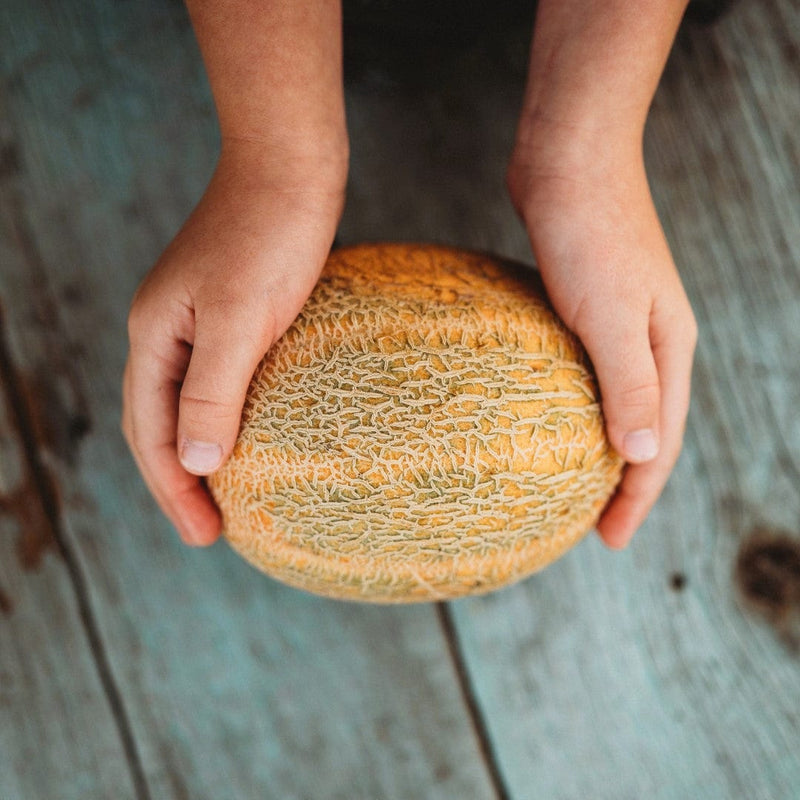
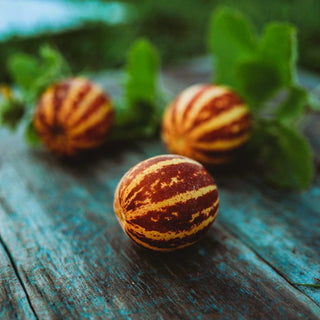
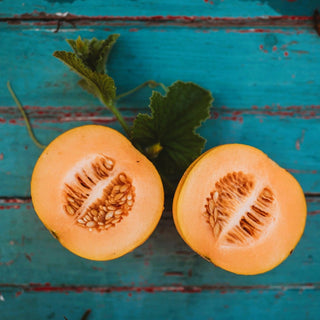
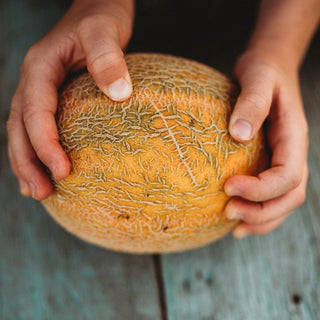
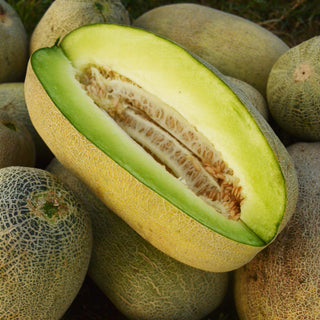
Tendral Verde Tardif is a traditional Spanish heirloom winter melon prized for its exceptional keeping qualities, sweet flesh, and distinctive dark green rind. This handsome variety produces large, oval-shaped melons with thick, deeply wrinkled skins that remain dark green even at maturity. Beneath their rugged exterior lies an abundance of creamy-white flesh with a pleasantly sweet, refreshing flavor and firm, juicy texture. Unlike the aromatic summer muskmelons that must be enjoyed shortly after harvest, Tendral Verde Tardif is particularly well suited for long-term storage.
Tendral melons comprise one of the five major traditional classes of Spanish melons, alongside Piel de Sapo, Amarillo, Roche... More
Cucumis melo
Tendral Verde Tardif is a traditional Spanish heirloom winter melon prized for its exceptional keeping qualities, sweet flesh, and distinctive dark green rind. This handsome variety produces large, oval-shaped melons with thick, deeply wrinkled skins that remain dark green even at maturity. Beneath their rugged exterior lies an abundance of creamy-white flesh with a pleasantly sweet, refreshing flavor and firm, juicy texture. Unlike the aromatic summer muskmelons that must be enjoyed shortly after harvest, Tendral Verde Tardif is particularly well suited for long-term storage.
Tendral melons comprise one of the five major traditional classes of Spanish melons, alongside Piel de Sapo, Amarillo, Rochet, and Blanco. For generations, farmers in Spain's Mediterranean growing regions have valued these remarkable melons for their ability to keep well into the winter months, when fresh garden produce was scarce. Their exceptionally thick, protective rinds help preserve the sweet flesh for weeks or even months after harvest.
Determining when to harvest Tendral Verde Tardif requires a practiced eye. Unlike many melons, it neither slips from the vine nor undergoes a dramatic color change as it ripens. Instead, gardeners must watch for subtle clues, including a slight lightening of the dark green rind and occasional fine, brown surface cracks. Once harvested, these long-keeping melons can extend the pleasures of the summer garden well into autumn and winter. Their sweet, juicy flesh is delicious served chilled in thick slices, added to fresh fruit salads, or paired with salty cured meats for a traditional Mediterranean treat.
Cucumis melo
Tendral Verde Tardif is a traditional Spanish heirloom winter melon prized for its exceptional keeping qualities, sweet flesh, and distinctive dark green rind. This handsome variety produces large, oval-shaped melons with thick, deeply wrinkled skins that remain dark green even at maturity. Beneath their rugged exterior lies an abundance of creamy-white flesh with a pleasantly sweet, refreshing flavor and firm, juicy texture. Unlike the aromatic summer muskmelo... read more
Cucumis melo
Tendral Verde Tardif is a traditional Spanish heirloom winter melon prized for its exceptional keeping qualities, sweet flesh, and distinctive dark green rind. This handsome variety produces large, oval-shaped melons with thick, deeply wrinkled skins that remain dark green even at maturity. Beneath their rugged exterior lies an abundance of creamy-white flesh with a pleasantly sweet, refreshing flavor and firm, juicy texture. Unlike the aromatic summer muskmelons that must be enjoyed shortly after harvest, Tendral Verde Tardif is particularly well suited for long-term storage.
Tendral melons comprise one of the five major traditional classes of Spanish melons, alongside Piel de Sapo, Amarillo, Rochet, and Blanco. For generations, farmers in Spain's Mediterranean growing regions have valued these remarkable melons for their ability to keep well into the winter months, when fresh garden produce was scarce. Their exceptionally thick, protective rinds help preserve the sweet flesh for weeks or even months after harvest.
Determining when to harvest Tendral Verde Tardif requires a practiced eye. Unlike many melons, it neither slips from the vine nor undergoes a dramatic color change as it ripens. Instead, gardeners must watch for subtle clues, including a slight lightening of the dark green rind and occasional fine, brown surface cracks. Once harvested, these long-keeping melons can extend the pleasures of the summer garden well into autumn and winter. Their sweet, juicy flesh is delicious served chilled in thick slices, added to fresh fruit salads, or paired with salty cured meats for a traditional Mediterranean treat.