We ship to the United States, its territories and outlying islands. Returns are accepted within 30 days of receipt. Full warranty information can be found here.






✓ Plant with Confidence—Guaranteed Through 2027
 Get it between -
Open-pollinated varieties, perfect for seed saving.
Safe seeds, free of neonics and other treatments.
It's simple. If you have a problem, we make it right.

Cichorium intybus
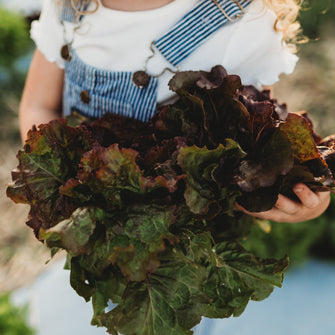
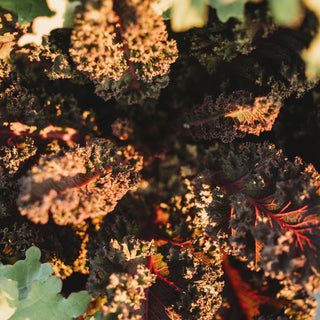
Rouge de Verona is a beautiful Italian heirloom radicchio prized for its rich burgundy coloring, crisp texture, and distinctive flavor. The plants initially develop broad green leaves that gradually give way to compact, richly colored heads as temperatures cool. At maturity, the tightly layered leaves form attractive, rounded to slightly elongated heads with deep red coloring and prominent white ribs.
Originating in the Verona region of northern Italy, this traditional variety belongs to a celebrated family of winter chicories that have been cultivated in the region for generations. The cool autumn weather of the Veneto countryside encourages the development of its characteristic deep red color... More
Cichorium intybus
Rouge de Verona is a beautiful Italian heirloom radicchio prized for its rich burgundy coloring, crisp texture, and distinctive flavor. The plants initially develop broad green leaves that gradually give way to compact, richly colored heads as temperatures cool. At maturity, the tightly layered leaves form attractive, rounded to slightly elongated heads with deep red coloring and prominent white ribs.
Originating in the Verona region of northern Italy, this traditional variety belongs to a celebrated family of winter chicories that have been cultivated in the region for generations. The cool autumn weather of the Veneto countryside encourages the development of its characteristic deep red coloring and pleasantly bitter flavor. Unlike the rounder Chioggia types, Verona radicchio traditionally develops compact, slightly elongated heads, sometimes described as heart-shaped. Its enduring popularity reflects the importance of radicchio in northern Italian gardening and cooking.
Rouge de Verona offers a satisfying combination of crisp texture and pleasantly bitter flavor. The colorful leaves are wonderful in fresh salads, particularly when paired with sweet dressings, fruit, or rich cheeses. Grilling, roasting, or sautéing mellows the bitterness and brings out a subtle sweetness, making this traditional Italian green a delicious addition to cool-season meals.
Cichorium intybus
Rouge de Verona is a beautiful Italian heirloom radicchio prized for its rich burgundy coloring, crisp texture, and distinctive flavor. The plants initially develop broad green leaves that gradually give way to compact, richly colored heads as temperatures cool. At maturity, the tightly layered leaves form attractive, rounded to slightly elongated heads with deep red coloring and prominent white ribs.
Originating in the Verona region of northern Ita... read more
Cichorium intybus
Rouge de Verona is a beautiful Italian heirloom radicchio prized for its rich burgundy coloring, crisp texture, and distinctive flavor. The plants initially develop broad green leaves that gradually give way to compact, richly colored heads as temperatures cool. At maturity, the tightly layered leaves form attractive, rounded to slightly elongated heads with deep red coloring and prominent white ribs.
Originating in the Verona region of northern Italy, this traditional variety belongs to a celebrated family of winter chicories that have been cultivated in the region for generations. The cool autumn weather of the Veneto countryside encourages the development of its characteristic deep red coloring and pleasantly bitter flavor. Unlike the rounder Chioggia types, Verona radicchio traditionally develops compact, slightly elongated heads, sometimes described as heart-shaped. Its enduring popularity reflects the importance of radicchio in northern Italian gardening and cooking.
Rouge de Verona offers a satisfying combination of crisp texture and pleasantly bitter flavor. The colorful leaves are wonderful in fresh salads, particularly when paired with sweet dressings, fruit, or rich cheeses. Grilling, roasting, or sautéing mellows the bitterness and brings out a subtle sweetness, making this traditional Italian green a delicious addition to cool-season meals.