We ship to the United States, its territories and outlying islands. Returns are accepted within 30 days of receipt. Full warranty information can be found here.






✓ Plant with Confidence—Guaranteed Through 2027
 Get it between -
Open-pollinated varieties, perfect for seed saving.
Safe seeds, free of neonics and other treatments.
It's simple. If you have a problem, we make it right.

Beta vulgaris
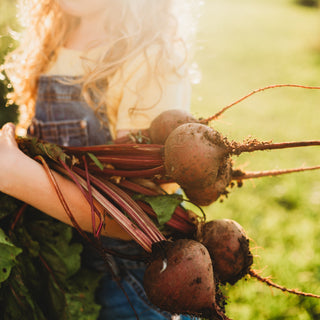
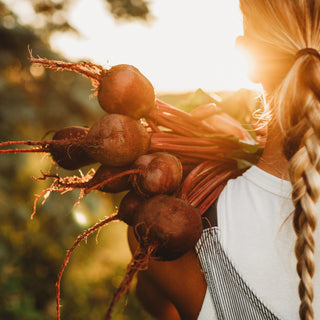
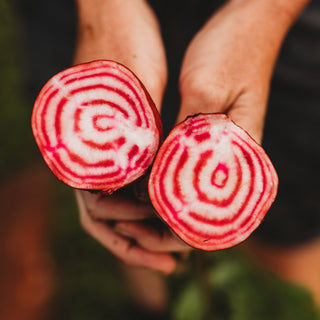
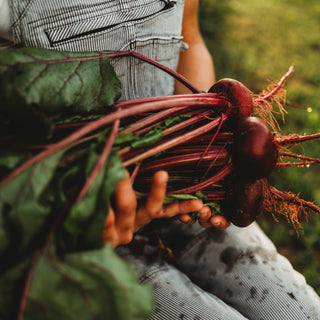
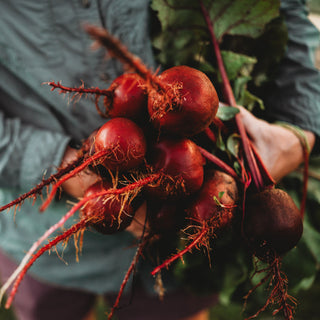
The Red Mangelwurzel beet is an old-fashioned European fodder beet traditionally grown for livestock feed, but one that still earns a place in the home garden thanks to its vigorous growth, nutritious greens, and surprisingly versatile roots. Also known as Red Mammoth Mangel, Red Mangel Beet, or simply a mangel beet, this heirloom variety produces enormous, elongated roots with rosy-red skins and creamy white interiors that are occasionally brushed with soft pink blushing. While mature roots were historically prized as a high-yielding stock feed, young roots can be harvested early and enjoyed much like traditional table beets with a milder, less earthy flavor.
One of the real standouts of the Red... More
Beta vulgaris
The Red Mangelwurzel beet is an old-fashioned European fodder beet traditionally grown for livestock feed, but one that still earns a place in the home garden thanks to its vigorous growth, nutritious greens, and surprisingly versatile roots. Also known as Red Mammoth Mangel, Red Mangel Beet, or simply a mangel beet, this heirloom variety produces enormous, elongated roots with rosy-red skins and creamy white interiors that are occasionally brushed with soft pink blushing. While mature roots were historically prized as a high-yielding stock feed, young roots can be harvested early and enjoyed much like traditional table beets with a milder, less earthy flavor.
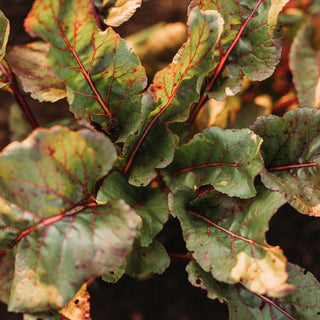
One of the real standouts of the Red Mammoth Mangel beet is its abundant foliage. The large, glossy greens remain tender and productive throughout the growing season, making them excellent for fresh cooking, sautés, and soups long after many standard beet varieties become tough or bitter. Plants are vigorous, adaptable, and highly productive, thriving in a wide range of soils while producing massive roots that can reach impressive sizes if left to mature.
A fascinating heirloom with deep agricultural history, the Red Mangelwurzel beet bridges the gap between utility crop and garden curiosity—perfect for gardeners interested in fodder beets, historic farm varieties, giant vegetables, or dual-purpose beets that offer both edible roots and season-long greens.
Beta vulgaris
The Red Mangelwurzel beet is an old-fashioned European fodder beet traditionally grown for livestock feed, but one that still earns a place in the home garden thanks to its vigorous growth, nutritious greens, and surprisingly versatile roots. Also known as Red Mammoth Mangel, Red Mangel Beet, or simply a mangel beet, this heirloom variety produces enormous, elongated roots with rosy-red skins and creamy white interiors that are occasionally brushed with soft ... read more
Beta vulgaris
The Red Mangelwurzel beet is an old-fashioned European fodder beet traditionally grown for livestock feed, but one that still earns a place in the home garden thanks to its vigorous growth, nutritious greens, and surprisingly versatile roots. Also known as Red Mammoth Mangel, Red Mangel Beet, or simply a mangel beet, this heirloom variety produces enormous, elongated roots with rosy-red skins and creamy white interiors that are occasionally brushed with soft pink blushing. While mature roots were historically prized as a high-yielding stock feed, young roots can be harvested early and enjoyed much like traditional table beets with a milder, less earthy flavor.
One of the real standouts of the Red Mammoth Mangel beet is its abundant foliage. The large, glossy greens remain tender and productive throughout the growing season, making them excellent for fresh cooking, sautés, and soups long after many standard beet varieties become tough or bitter. Plants are vigorous, adaptable, and highly productive, thriving in a wide range of soils while producing massive roots that can reach impressive sizes if left to mature.
A fascinating heirloom with deep agricultural history, the Red Mangelwurzel beet bridges the gap between utility crop and garden curiosity—perfect for gardeners interested in fodder beets, historic farm varieties, giant vegetables, or dual-purpose beets that offer both edible roots and season-long greens.