We ship to the United States, its territories and outlying islands. Returns are accepted within 30 days of receipt. Full warranty information can be found here.

Free Shipping on Orders $35+
✓ Plant with Confidence—Guaranteed Through 2027
Get it between -
We ship to the United States, its territories and outlying islands. Returns are accepted within 30 days of receipt. Full warranty information can be found here.
We guarantee our seed to be fresh, vigorous, untreated, and true to variety.
Each packet is guaranteed through the year printed on the packet, plus one full additional growing year.
If your seeds fail to germinate, arrive damaged, or do not grow true to type, please contact us and we will make it right through replacement seed, store credit, or refund when appropriate.
Full warranty policy here.
Open-pollinated varieties, perfect for seed saving.
Safe seeds, free of neonics and other treatments.
It's simple. If you have a problem, we make it right.
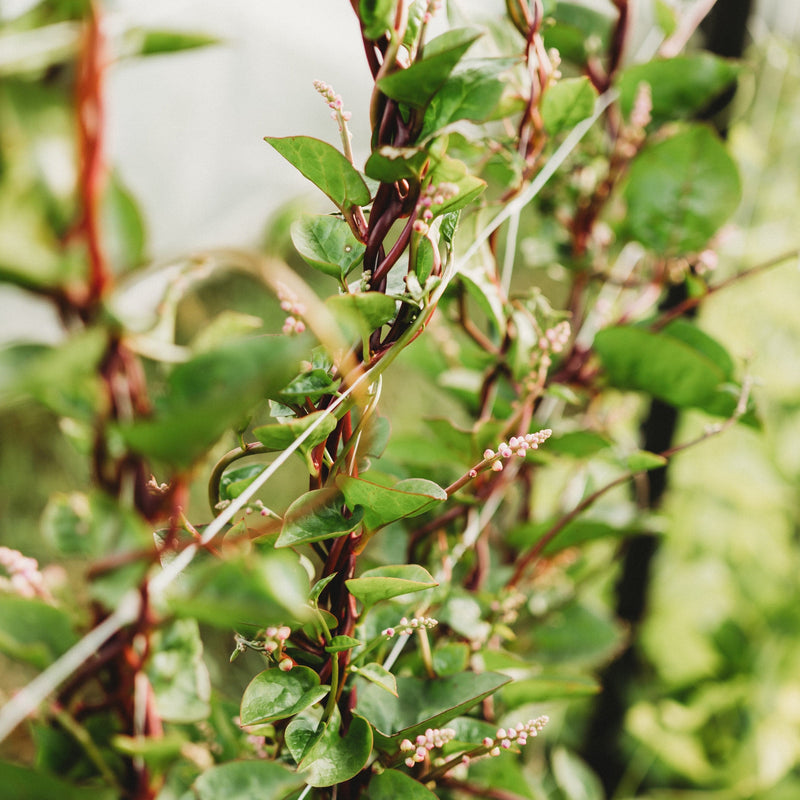
Basella rubra
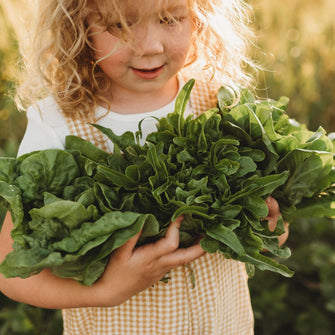
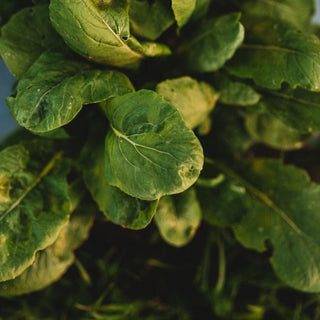
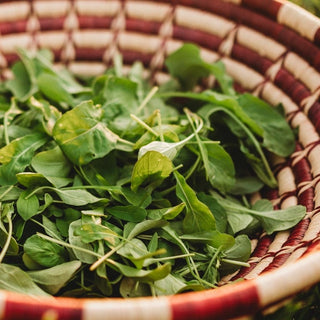
Red Malabar Spinach is a heat-tolerant vining plant that produces continuous harvests of tender green leaves. Although not a true spinach, the leaves are used similarly, with a flavor that is more neutral and a unique, melting texture. Frequently used for fresh eating, juicing, and sautéing. Heat-tolerant plants bear ceaselessly throughout summer, providing continuous harvests when most other greens have petered out. Approximately 50 to 70 days to harvest. Each packet contains a minimum of 50 seeds.
Basella rubra
Red Malabar Spinach is a heat-tolerant vining plant that produces continuous harvests of tender green leaves. Although not a true spinach, the leaves are used similarly, with a flavor that is more neutral and a unique, melting texture. Frequently used for fresh eating, juicing, and sautéing. Heat-tolerant plants bear ceaselessly throughout summer, providing continuous harvests when most other greens have petered out. Approximately 50 to 70 days to harvest.... read more
Basella rubra
Red Malabar Spinach is a heat-tolerant vining plant that produces continuous harvests of tender green leaves. Although not a true spinach, the leaves are used similarly, with a flavor that is more neutral and a unique, melting texture. Frequently used for fresh eating, juicing, and sautéing. Heat-tolerant plants bear ceaselessly throughout summer, providing continuous harvests when most other greens have petered out. Approximately 50 to 70 days to harvest. Each packet contains a minimum of 50 seeds.

We’re holding firm to the time-honored traditions and downhome ways that have brought up generations all across these fruited plains. In fact, the varieties offered here are the same ones we place on our own dinner table—and in this way of life, that says something.
Malabar Spinach prefers well-drained, nutrient-rich soil and full sun. It can tolerate partial shade, but will produce the best yields in full sun. It prefers a soil pH of 6.0-7.0. Water regularly to keep the soil moist, but not soggy.
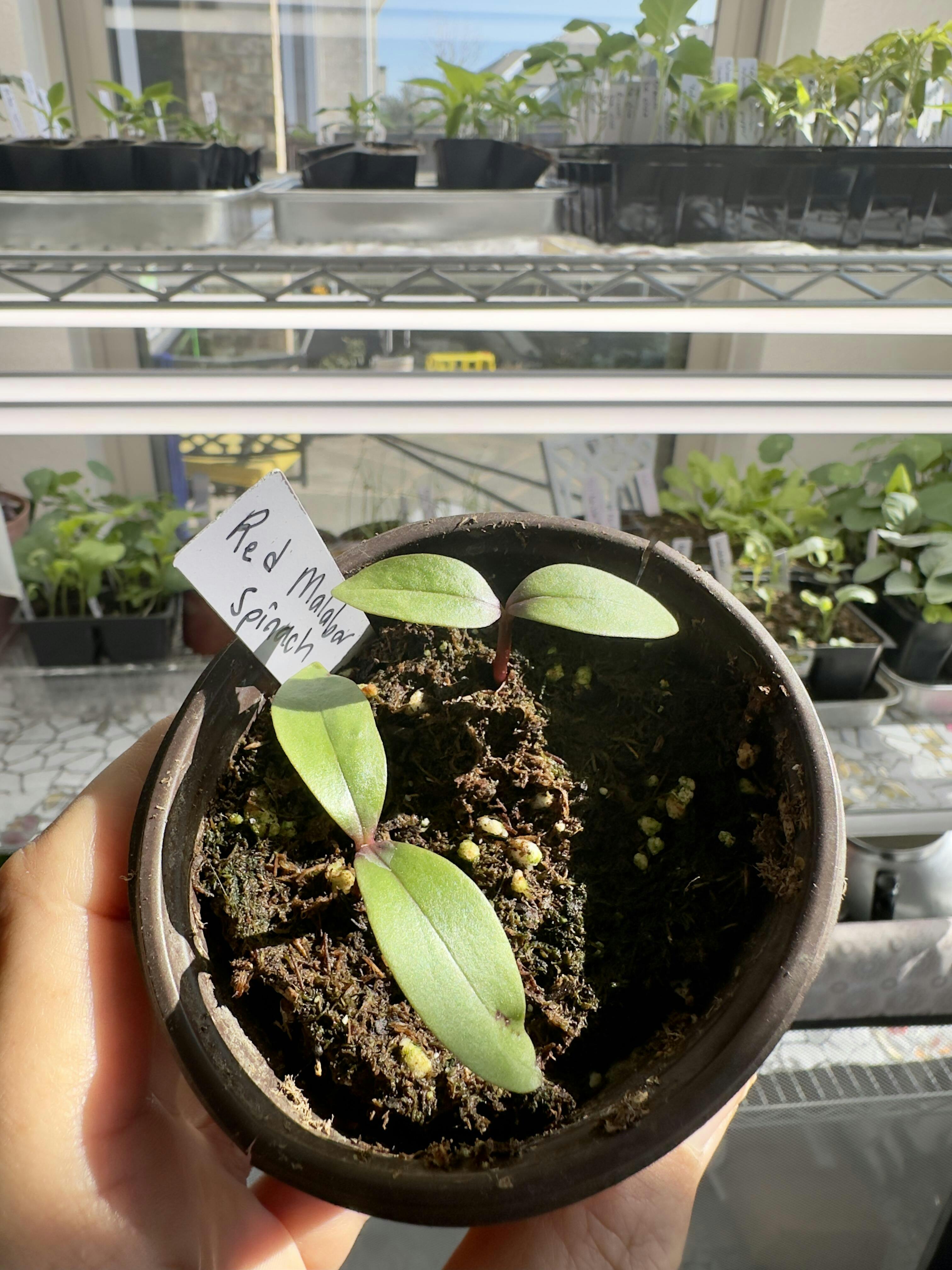
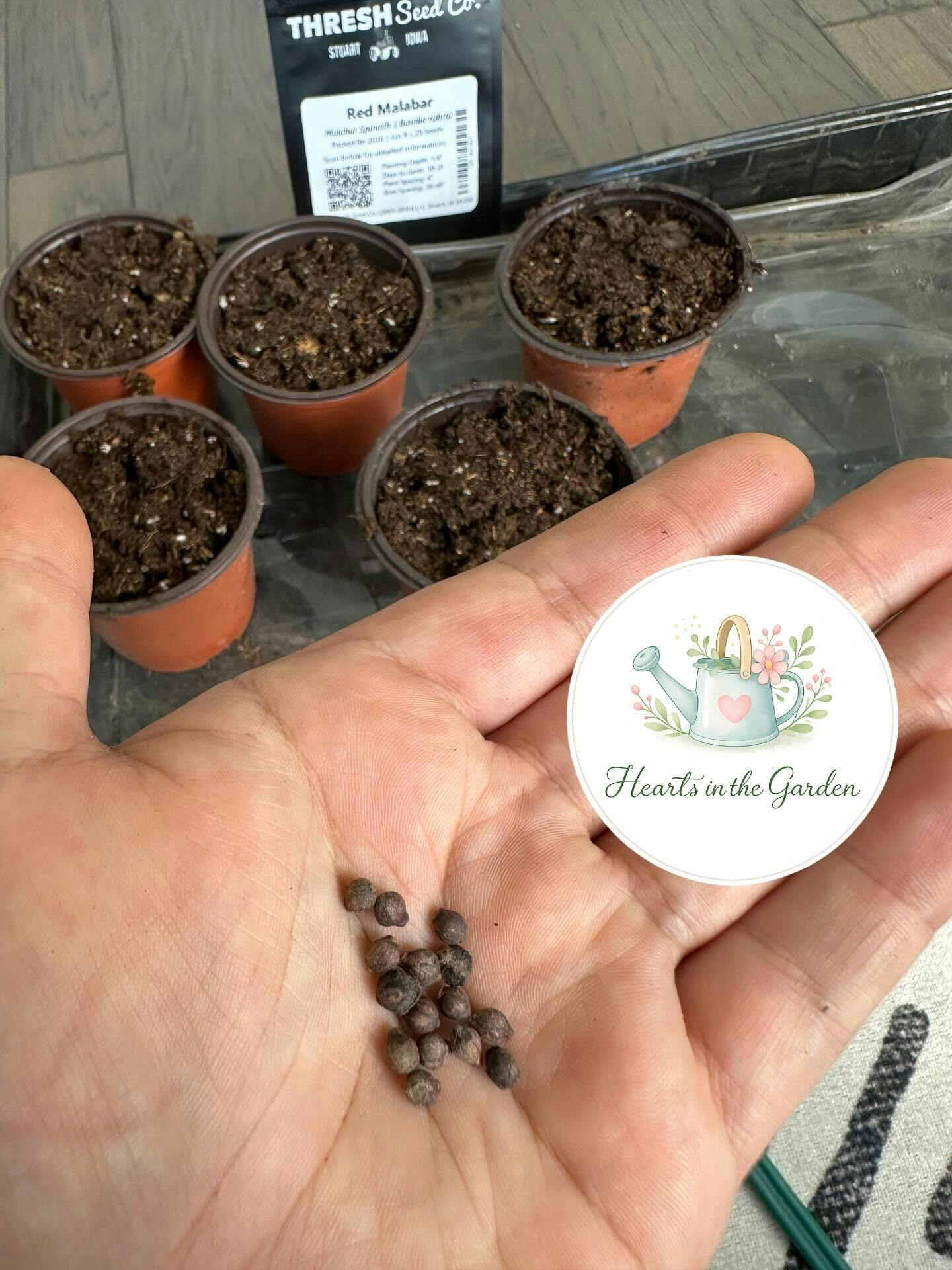
Sow seeds outdoors after danger of frost has passed. Sow seeds 1/4" deep, 3" apart along a trellis or other support structure. Thin to one plant every 6" after germination has occurred. Can also be started indoors roughly six weeks before last frost.
Harden off seedlings for a few days prior to transplanting. After danger of frost has passed, dig a hole roughly the size of the root ball and lower the seedling in, being careful not to disturb the roots. Backfill with loose soil and water well. Space plants at least 6" in all directions. Keep well-watered until the plants are established.
Insect Pests
Malabar spinach is not commonly attacked by pests. Regular garden maintenance and crop rotations will further reduce the risk of any pest damage.
Diseases & Other Problems
Although generally very easy to care for, Malabar Spinach can be affected by fungal diseases arising from the warm, wet soil conditions preferred by the plants. Regular monitor plants for disease and remove any infected leaves. Malabar Spinach dislikes dry soil and will flower prematurely if it becomes water stressed, causing the leaves to taste bitter. Water regularly, preferably at the ground level using soaker hoses or drip tape.
Individual leaves can be harvested at any time, but avoid harvesting too many until the plant is well-established. Be careful not to damage leaves during harvest as they will spoil more quickly. Leaves can be stored in the fridge for 2-5 days, preferably in a sealed container or bag with a damp paper towel.
CONSIDERATIONS:
The flowers of Malabar Spinach are perfect, containing both male and female organs, and fertilization occurs via self pollination. As the flowers do not open, there is little to no chance of pollen contamination and therefore multiple cultivars can be grown in close proximity without concern for outcrossing.
HARVESTING SEED:
Harvest Malabar Spinach seeds by picking the mature, dark purple fruit that are born on short stalks all along the stem. Rub the seeds against the inside of a wire colander, using a bit of soap to remove the pulp. Dry thoroughly and store in an airtight container until ready to use.
SEED LONGETIVITY:
Malabar Spinach seeds can remain viable for up to five years if stored in a cool, dry place.
Sign up to get the latest on sales, new releases, and more...