We ship to the United States, its territories and outlying islands. Returns are accepted within 30 days of receipt. Full warranty information can be found here.

Free Shipping on Orders $35+
✓ Plant with Confidence—Guaranteed Through 2027
Get it between -
We ship to the United States, its territories and outlying islands. Returns are accepted within 30 days of receipt. Full warranty information can be found here.
We guarantee our seed to be fresh, vigorous, untreated, and true to variety.
Each packet is guaranteed through the year printed on the packet, plus one full additional growing year.
If your seeds fail to germinate, arrive damaged, or do not grow true to type, please contact us and we will make it right through replacement seed, store credit, or refund when appropriate.
Full warranty policy here.
Open-pollinated varieties, perfect for seed saving.
Safe seeds, free of neonics and other treatments.
It's simple. If you have a problem, we make it right.
Cucumis melo
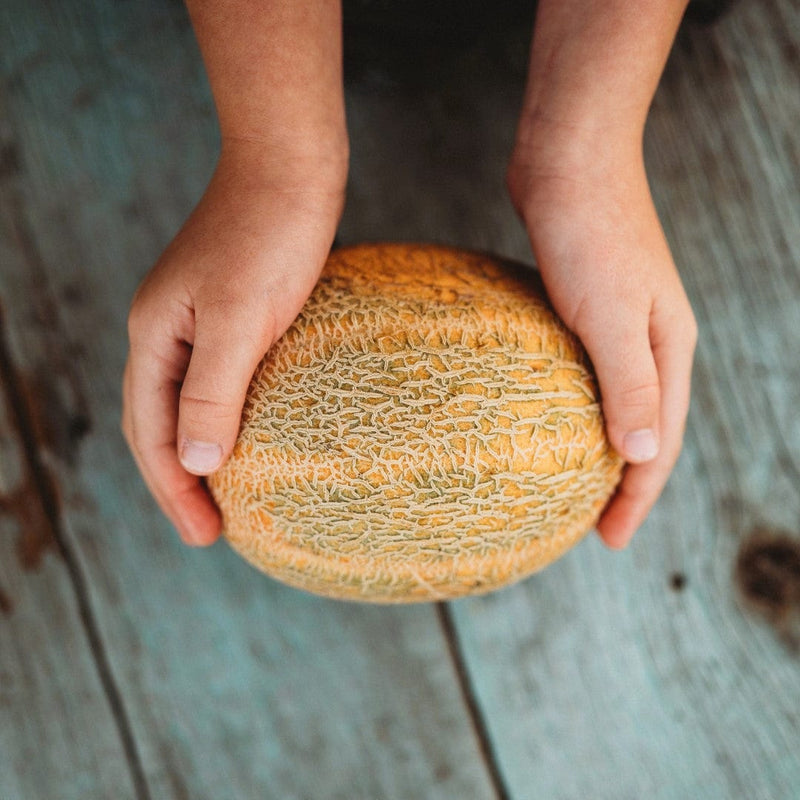
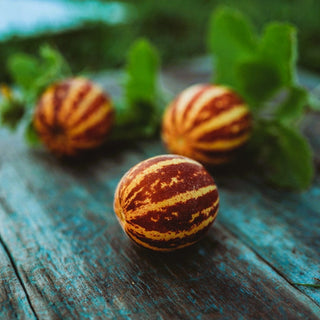
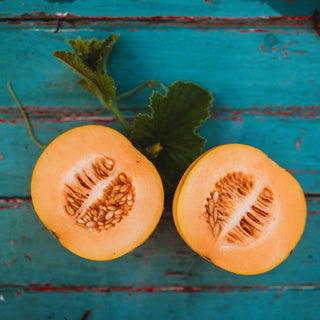
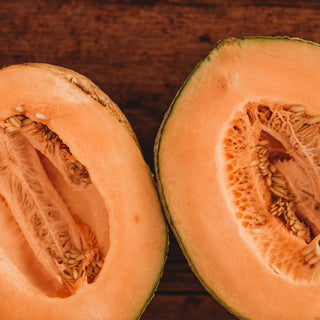
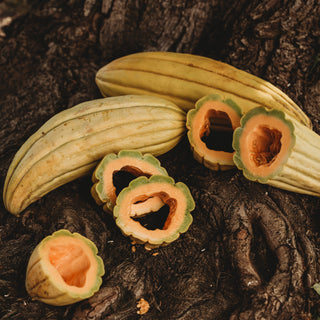
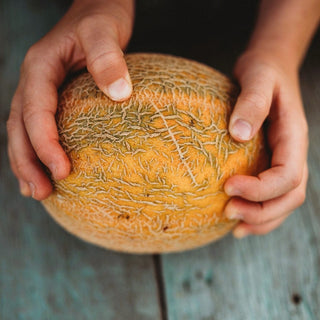
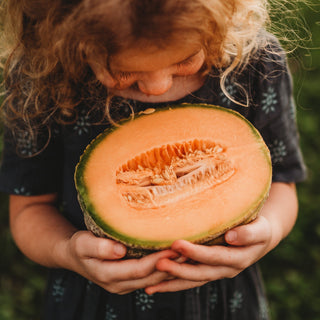
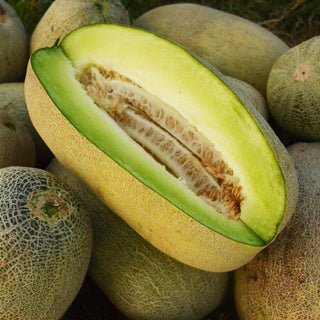
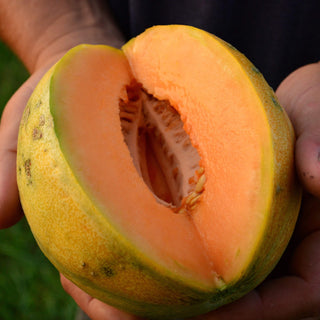
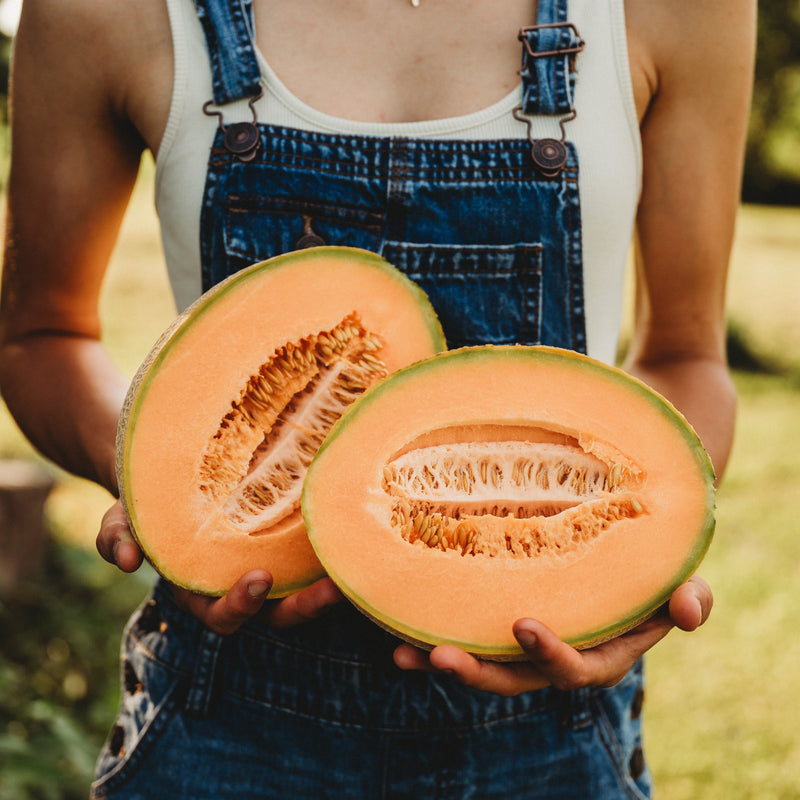
This traditional Tuscan melon, known in Italy as Melone di Toscana, delivers everything you’d hope for from a true Tuscan cantaloupe—dense, fragrant sweetness, velvety texture, and old-world charm. The fruit are beautifully ribbed with gently netted rinds and distinct green sutures, giving them a sculpted look that’s as ornamental as it is authentic. Inside, a small seed cavity yields to thick, bright orange flesh that’s exceptionally smooth, refreshing, and very, very sweet.
In our garden trials, these melons ripened early, produced reliably, and were some of the sweetest we’ve ever grown. Each one seems to hold the taste of summer itself—cool, juicy, and perfectly balanced. Enjoy them fresh, chill... More
Cucumis melo
This traditional Tuscan melon, known in Italy as Melone di Toscana, delivers everything you’d hope for from a true Tuscan cantaloupe—dense, fragrant sweetness, velvety texture, and old-world charm. The fruit are beautifully ribbed with gently netted rinds and distinct green sutures, giving them a sculpted look that’s as ornamental as it is authentic. Inside, a small seed cavity yields to thick, bright orange flesh that’s exceptionally smooth, refreshing, and very, very sweet.
In our garden trials, these melons ripened early, produced reliably, and were some of the sweetest we’ve ever grown. Each one seems to hold the taste of summer itself—cool, juicy, and perfectly balanced. Enjoy them fresh, chilled, or paired with prosciutto for a simple, unforgettable dessert. A must-grow for anyone who appreciates European melons and wants to bring a touch of Tuscany to their own backyard. Matures approximately 80 days after sowing. Each packet contains a minimum of 25 seeds.
Cucumis melo
This traditional Tuscan melon, known in Italy as Melone di Toscana, delivers everything you’d hope for from a true Tuscan cantaloupe—dense, fragrant sweetness, velvety texture, and old-world charm. The fruit are beautifully ribbed with gently netted rinds and distinct green sutures, giving them a sculpted look that’s as ornamental as it is authentic. Inside, a small seed cavity yields to thick, bright orange flesh that’s exceptionally smooth, refreshing, and ve... read more
Cucumis melo
This traditional Tuscan melon, known in Italy as Melone di Toscana, delivers everything you’d hope for from a true Tuscan cantaloupe—dense, fragrant sweetness, velvety texture, and old-world charm. The fruit are beautifully ribbed with gently netted rinds and distinct green sutures, giving them a sculpted look that’s as ornamental as it is authentic. Inside, a small seed cavity yields to thick, bright orange flesh that’s exceptionally smooth, refreshing, and very, very sweet.
In our garden trials, these melons ripened early, produced reliably, and were some of the sweetest we’ve ever grown. Each one seems to hold the taste of summer itself—cool, juicy, and perfectly balanced. Enjoy them fresh, chilled, or paired with prosciutto for a simple, unforgettable dessert. A must-grow for anyone who appreciates European melons and wants to bring a touch of Tuscany to their own backyard. Matures approximately 80 days after sowing. Each packet contains a minimum of 25 seeds.
With the produce aisles becoming more and more flavorless and processed food ever more flavorful, it's easy to see how vegetables have gotten a bad rap, but we're on a mission to change that. With our easy-to-grow, flavorful heirlooms, we aim to help families produce their own delicious, healthful food, all while fostering a love for gardening.
Melons require well-drained soil with a pH range of 6.0 to 7.0, rich in organic matter. They need full sun exposure and require at least 6-8 hours of direct sunlight per day. The soil should be kept moist but not waterlogged, and regular fertilization can help promote healthy growth.
Direct sow seeds outdoors 2 weeks after last frost, once soil temps have reached 70 degrees. Sow 3-5 seeds per hill with 2 to 4 feet between hills and to 3 to 4 feet between rows. Under ideal conditions germination will occur in 5-8 days.
In areas with short summers, melons can be started indoors 3 weeks before the last frost and transplanted outdoors after danger of frost has passed. Be careful not to disturb the roots while transplanting or use peat pots which can be placed directly in the soil.
Insect Pests
The most damaging insect for muskmelons is the cucumber beetle, which is known for exploiting cracks in the shell and invading the sweet centers. The best treatment for cucumber beetles is prevention. Check melons regularly for maturity and harvest as the stem begins to slip from the vine. Cucumber beetles can "sniff" out the sweet aroma of the stem scar and mount and attack, so be sure to get there first.
Diseases & Other Problems
Melons can be affected by a range of diseases, including powdery mildew, downy mildew, and anthracnose. These diseases can cause leaf spotting, leaf drop, and fruit rot. Proper cultural practices, such as providing good air circulation and maintaining proper soil moisture levels, can help prevent and manage these issues.
Most melons are ready to harvest once the stem begins to "slip" from the vine. Inspect the vines regularly as the fruit are maturing. Once the tendrils closest to the stem begin to turn brown, pull up gently on the stem where it connects to the fruit. If it is mature, the stem will pull right off. Melons will continue to ripen on the counter and will be extremely fragrant at their peak. Melons can be stored in the fridge for up to five days. Cut melon can also be frozen and later pureed to make a delicious sorbet.
CONSIDERATIONS:
Muskmelon is an outbreeding plant with male and female flowers present on different parts of the plant. Muskmelon will cross pollinate with other varieties of muskmelon, honeydew, and other members of the Cucumis melo family, including Armenian Cucumber. Muskmelon will not cross with watermelon, cucamelon, or bitter melon. Isolate different varieties of honeydew and muskmelon by at least a half mile to ensure varietal purity. Alternatively, melon varieties may be caged with introduced pollinators. Hand-pollination of melons is relatively easy, but has a low success rate, even under ideal conditions.
HARVESTING SEED:
To harvest seeds, cut open the melons and scoop out the seeds and pulp. Place in a bucket or pitcher and squeeze the seeds through your fingers to separate them from the pulp. Add enough water to allow the non-viable seeds, and the seeds still attached to pulp, to float. Pour off the floating seeds and pulp. Repeat until water runs clear. Pour remaining seed into a strainer and clean with a heavy stream of water to remove any remaining pulp. Allow to drain then pour the seeds out on a plate or cookie sheet and place in a warm, well-ventilated place to dry. Once completely dry, store in an airtight container.
SEED LONGETIVITY:
Melon seeds remain viable for five years when stored under ideal conditions.
Sign up to get the latest on sales, new releases, and more...