We ship to the United States, its territories and outlying islands. Returns are accepted within 30 days of receipt. Full warranty information can be found here.

Free Shipping on Orders $35+
Get it between -
We ship to the United States, its territories and outlying islands. Returns are accepted within 30 days of receipt. Full warranty information can be found here.
Open-pollinated varieties, perfect for seed saving.
Safe seeds, free of neonics and other treatments.
It's simple. If you have a problem, we make it right.
Lepidium sativum
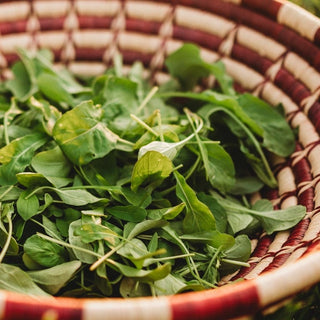
Garden Cress is a fast-growing microgreen with a delightful peppery taste that makes a beautiful addition to spring salads. Cress is easy to grow, cold hardy, and it matures quickly, making it the perfect spring green for the winter-weary gardener. Plus, its compact stature makes economical use of cold frame space. Harvests begin approximately 30 days after sowing. Each packet contains a minimum of 300 seeds.
Lepidium sativum
Garden Cress is a fast-growing microgreen with a delightful peppery taste that makes a beautiful addition to spring salads. Cress is easy to grow, cold hardy, and it matures quickly, making it the perfect spring green for the winter-weary gardener. Plus, its compact stature makes economical use of cold frame space. Harvests begin approximately 30 days after sowing. Each packet contains a minimum of 300 seeds.
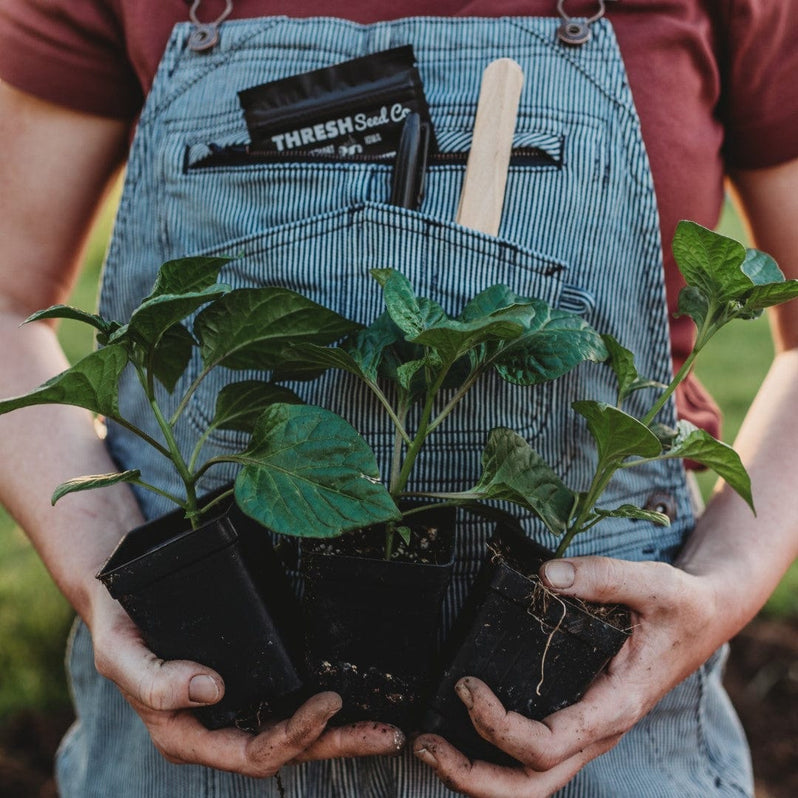
Sweat on your brow, hands in the dirt, and a smile on your face. You aren't afraid of a little hard work, and we're here to ensure that your efforts are rewarded. You can rest assured that our top-quality seeds from dependable, time-tested varieties will have you reaping more than just satisfaction from your hard day's work.
Cress prefers well-draining soil with a pH between 6.0 and 7.5 and requires full sun to partial shade. It can tolerate some heat but grows best in cool temperatures between 50-75°F. The soil should be kept consistently moist but not waterlogged, and the plant may benefit from occasional fertilization. Cress is a fast-growing plant that can be harvested as soon as 2 weeks after planting. It is a good choice for planting in containers or small spaces and can also be grown indoors on a sunny windowsill.
Sow seeds outdoors as soon as soil can be worked. Plant seeds 1/4" deep, 1" apart in rows 18" apart. Germination will occur in 7-14 days. For continual harvests, successive sowings can be made every two to three weeks throughout spring and fall.
Not recommended. Plants grown indoors are prone to bolting.
Insect Pests
While not common, cress can be affected by insect pests such as flea beetles, aphids, and caterpillars. To prevent and manage insect infestations, it may be beneficial to use row covers. Removing plant debris and rotating crops will also keep populations at bay. In severe cases, insecticidal soap or neem oil can be used as a last resort.
Diseases & Other Problems
Cress is generally a disease-resistant plant, but it can be affected by fungal diseases such as damping-off and downy mildew. Damping-off can cause seedlings to wilt and die, while downy mildew can cause yellow or brown spots on the leaves and a grayish mold on the undersides. To prevent these diseases, it is recommended to use disease-free seeds, avoid overwatering, and provide good air circulation. In addition, cress can also be affected by pests such as slugs and snails, which can be controlled using traps or diatomaceous earth.
Cress can be harvested as soon as 2-4 weeks after planting when the leaves are 2-3 inches tall. Use scissors to cut the leaves just above the soil level, leaving the roots intact for regrowth. Cress is best consumed fresh, but it can also be stored in the refrigerator in a plastic bag or container for up to a week.
CONSIDERATIONS:
The flowers of cress are very small and are rarely visited by honeybees, but crossing of different varieties is possible. To ensure varietal purity, grow one variety per year or use physical barriers such as netting to prevent cross pollination.
HARVESTING SEED:
After flowering, the seed heads should be left on the plant until they have dried and turned brown. Cut the seed heads and lay flat on a tarp until completely dried. Once the siliques have dried, place stalks in a bag and stomp on them to release the seed. Winnow to separate the seed from the chaff and store seeds in an airtight container.
SEED LONGETIVITY:
Cress seeds can maintain their viability for 3-5 years if stored properly. To ensure the longest possible viability, store the seeds in a cool, dry place in an airtight container.
Fresh seeds growing very well
Sign up to get the latest on sales, new releases, and more...