We ship to the United States, its territories and outlying islands. Returns are accepted within 30 days of receipt. Full warranty information can be found here.






✓ Plant with Confidence—Guaranteed Through 2027
 Get it between -
Open-pollinated varieties, perfect for seed saving.
Safe seeds, free of neonics and other treatments.
It's simple. If you have a problem, we make it right.

Corchorus olitorius
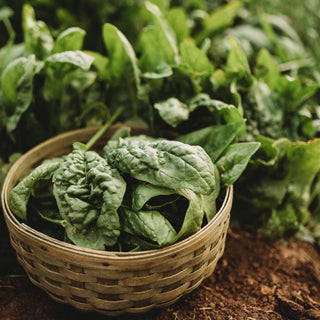
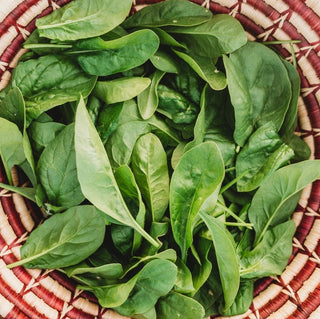
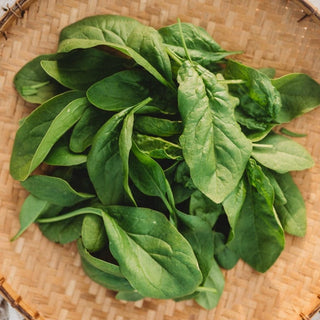
Egyptian Spinach, also known as molokhia, is a warm-season leafy green grown for centuries across North Africa and the Middle East, where it is especially prized in Egyptian cuisine. Traditionally used in the famous soup molokhia, its tender leaves cook down into a rich, silky green with a mild, pleasant flavor. Unlike true spinach, it thrives in summer heat and keeps producing when cool-season greens have long since bolted.
This fast-growing plant produces upright stems lined with soft green leaves that can be harvested young for salads or allowed to mature for cooking. It performed well for us in the garden, handling heat with ease and providing plenty of harvest through the hottest part of... More
Corchorus olitorius
Egyptian Spinach, also known as molokhia, is a warm-season leafy green grown for centuries across North Africa and the Middle East, where it is especially prized in Egyptian cuisine. Traditionally used in the famous soup molokhia, its tender leaves cook down into a rich, silky green with a mild, pleasant flavor. Unlike true spinach, it thrives in summer heat and keeps producing when cool-season greens have long since bolted.
This fast-growing plant produces upright stems lined with soft green leaves that can be harvested young for salads or allowed to mature for cooking. It performed well for us in the garden, handling heat with ease and providing plenty of harvest through the hottest part of the season.
One important note—this variety is very susceptible to Japanese beetles. In areas with heavy Japanese beetle pressure, we would not recommend Egyptian Spinach as your primary spinach substitute, as the damage can be significant. In those situations, Malabar spinach or New Zealand spinach tend to be better warm-season alternatives. Approximately 60 days to harvest. Each packet contains a minimum of 450 seeds.
Corchorus olitorius
Egyptian Spinach, also known as molokhia, is a warm-season leafy green grown for centuries across North Africa and the Middle East, where it is especially prized in Egyptian cuisine. Traditionally used in the famous soup molokhia, its tender leaves cook down into a rich, silky green with a mild, pleasant flavor. Unlike true spinach, it thrives in summer heat and keeps producing when cool-season greens have long since bolted.
This fast-growing plan... read more
Corchorus olitorius
Egyptian Spinach, also known as molokhia, is a warm-season leafy green grown for centuries across North Africa and the Middle East, where it is especially prized in Egyptian cuisine. Traditionally used in the famous soup molokhia, its tender leaves cook down into a rich, silky green with a mild, pleasant flavor. Unlike true spinach, it thrives in summer heat and keeps producing when cool-season greens have long since bolted.
This fast-growing plant produces upright stems lined with soft green leaves that can be harvested young for salads or allowed to mature for cooking. It performed well for us in the garden, handling heat with ease and providing plenty of harvest through the hottest part of the season.
One important note—this variety is very susceptible to Japanese beetles. In areas with heavy Japanese beetle pressure, we would not recommend Egyptian Spinach as your primary spinach substitute, as the damage can be significant. In those situations, Malabar spinach or New Zealand spinach tend to be better warm-season alternatives. Approximately 60 days to harvest. Each packet contains a minimum of 450 seeds.