We ship to the United States, its territories and outlying islands. Returns are accepted within 30 days of receipt. Full warranty information can be found here.






✓ Plant with Confidence—Guaranteed Through 2027
 Get it between -
Open-pollinated varieties, perfect for seed saving.
Safe seeds, free of neonics and other treatments.
It's simple. If you have a problem, we make it right.

Cucumis melo
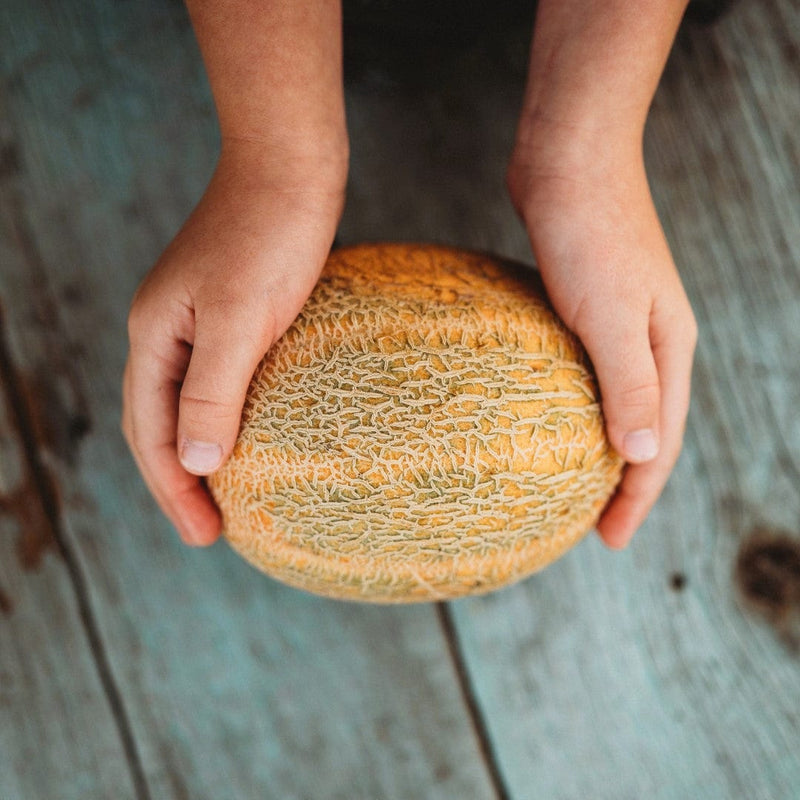
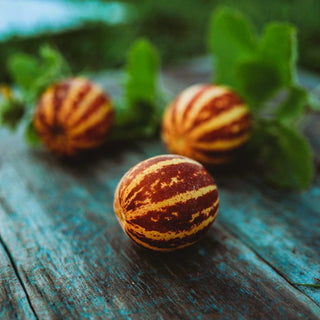
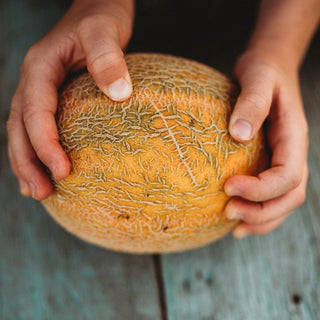
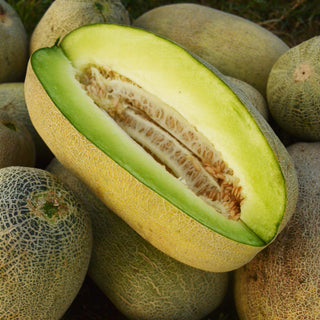
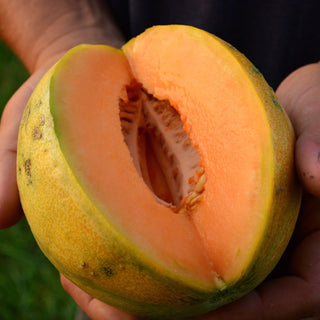
Ananas is an exceptionally sweet and aromatic Middle Eastern heirloom melon prized for its juicy, creamy-white flesh and distinctive tropical flavor. This beautiful variety produces oval-shaped melons, typically weighing around 4-5 pounds, with lightly netted rinds that ripen from green to a rich golden yellow. The pale flesh is wonderfully sweet, tender, and fragrant, with memorable tropical, pineapple and banana-like notes that distinguish it from more familiar muskmelon varieties.
The history of Ananas melons is deeply rooted in the traditional melon-growing regions of the Middle East. Belonging to the Ameri Group of muskmelons, these aromatic melons were cultivated in regions where hot,... More
Cucumis melo
Ananas is an exceptionally sweet and aromatic Middle Eastern heirloom melon prized for its juicy, creamy-white flesh and distinctive tropical flavor. This beautiful variety produces oval-shaped melons, typically weighing around 4-5 pounds, with lightly netted rinds that ripen from green to a rich golden yellow. The pale flesh is wonderfully sweet, tender, and fragrant, with memorable tropical, pineapple and banana-like notes that distinguish it from more familiar muskmelon varieties.
The history of Ananas melons is deeply rooted in the traditional melon-growing regions of the Middle East. Belonging to the Ameri Group of muskmelons, these aromatic melons were cultivated in regions where hot, dry summers favored the development of exceptionally sweet flesh. One particularly successful selection, Ananas Yoqne'am, was developed around 1950 by Israeli grower Natan Rabinovich from a traditional melon landrace cultivated by local Arab farmers. Its outstanding sweetness and fragrance helped establish Ananas as an important melon type in Israel and beyond.
Ananas melons are particularly delightful when allowed to ripen fully, developing an intensely sweet, juicy interior and a wonderfully inviting aroma. Their creamy-white flesh is delicious served chilled in thick slices, cubed into fresh summer fruit salads, or enjoyed straight from the garden. For those accustomed to ordinary orange-fleshed muskmelons, Ananas offers a distinctly different melon experience, combining exceptional sweetness with a rich, tropical flavor. Avoid watering as melons ripen. 90-110 days to harvest. Minimum 25 seeds per packet.
Cucumis melo
Ananas is an exceptionally sweet and aromatic Middle Eastern heirloom melon prized for its juicy, creamy-white flesh and distinctive tropical flavor. This beautiful variety produces oval-shaped melons, typically weighing around 4-5 pounds, with lightly netted rinds that ripen from green to a rich golden yellow. The pale flesh is wonderfully sweet, tender, and fragrant, with memorable tropical, pineapple and banana-like notes that distinguish it from more famili... read more
Cucumis melo
Ananas is an exceptionally sweet and aromatic Middle Eastern heirloom melon prized for its juicy, creamy-white flesh and distinctive tropical flavor. This beautiful variety produces oval-shaped melons, typically weighing around 4-5 pounds, with lightly netted rinds that ripen from green to a rich golden yellow. The pale flesh is wonderfully sweet, tender, and fragrant, with memorable tropical, pineapple and banana-like notes that distinguish it from more familiar muskmelon varieties.
The history of Ananas melons is deeply rooted in the traditional melon-growing regions of the Middle East. Belonging to the Ameri Group of muskmelons, these aromatic melons were cultivated in regions where hot, dry summers favored the development of exceptionally sweet flesh. One particularly successful selection, Ananas Yoqne'am, was developed around 1950 by Israeli grower Natan Rabinovich from a traditional melon landrace cultivated by local Arab farmers. Its outstanding sweetness and fragrance helped establish Ananas as an important melon type in Israel and beyond.
Ananas melons are particularly delightful when allowed to ripen fully, developing an intensely sweet, juicy interior and a wonderfully inviting aroma. Their creamy-white flesh is delicious served chilled in thick slices, cubed into fresh summer fruit salads, or enjoyed straight from the garden. For those accustomed to ordinary orange-fleshed muskmelons, Ananas offers a distinctly different melon experience, combining exceptional sweetness with a rich, tropical flavor. Avoid watering as melons ripen. 90-110 days to harvest. Minimum 25 seeds per packet.