We ship to the United States, its territories and outlying islands. Returns are accepted within 30 days of receipt. Full warranty information can be found here.

Free Shipping on Orders $35+
✓ Plant with Confidence—Guaranteed Through 2027
Get it between -
We ship to the United States, its territories and outlying islands. Returns are accepted within 30 days of receipt. Full warranty information can be found here.
We guarantee our seed to be fresh, vigorous, untreated, and true to variety.
Each packet is guaranteed through the year printed on the packet, plus one full additional growing year.
If your seeds fail to germinate, arrive damaged, or do not grow true to type, please contact us and we will make it right through replacement seed, store credit, or refund when appropriate.
Full warranty policy here.
Open-pollinated varieties, perfect for seed saving.
Safe seeds, free of neonics and other treatments.
It's simple. If you have a problem, we make it right.
Phaseolus vulgaris
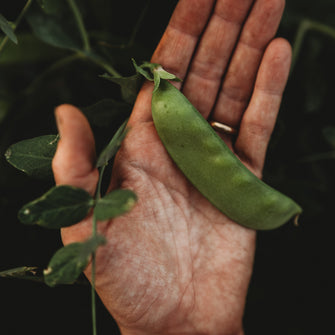
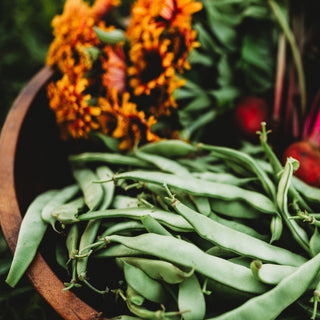
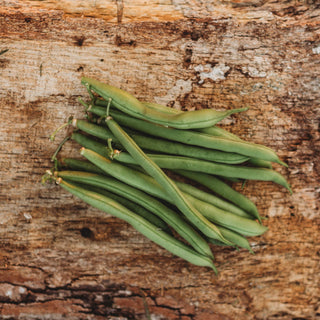
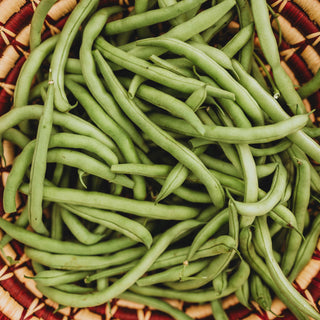
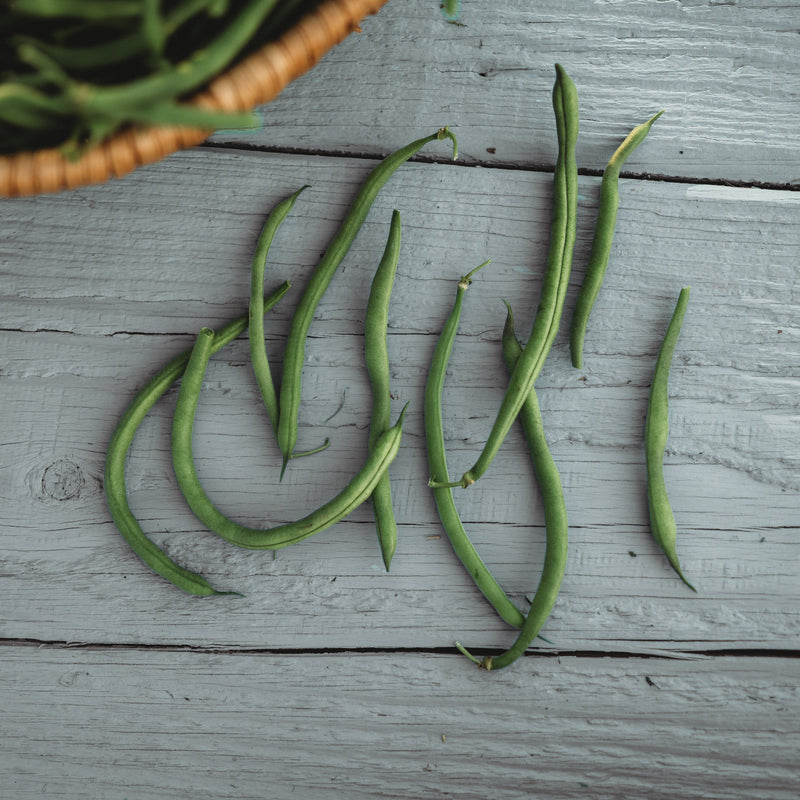
Introduced in 1991, Jade is an open-pollinated variety of green beans that is favored for its easy and reliable production of 6 to 7-inch-long, tender beans. Sturdy, upright plants show varying degrees of resistance to several different diseases and keep beans held high off the ground so that the pods remain clean and straight. An excellent variety for canning. Bush habit. Harvests begin approximately 53 days after sowing. Each packet contains a minimum of 50 seeds.
Phaseolus vulgaris
Introduced in 1991, Jade is an open-pollinated variety of green beans that is favored for its easy and reliable production of 6 to 7-inch-long, tender beans. Sturdy, upright plants show varying degrees of resistance to several different diseases and keep beans held high off the ground so that the pods remain clean and straight. An excellent variety for canning. Bush habit. Harvests begin approximately 53 days after sowing. Each packet contains a mini... read more
Phaseolus vulgaris
Introduced in 1991, Jade is an open-pollinated variety of green beans that is favored for its easy and reliable production of 6 to 7-inch-long, tender beans. Sturdy, upright plants show varying degrees of resistance to several different diseases and keep beans held high off the ground so that the pods remain clean and straight. An excellent variety for canning. Bush habit. Harvests begin approximately 53 days after sowing. Each packet contains a minimum of 50 seeds.
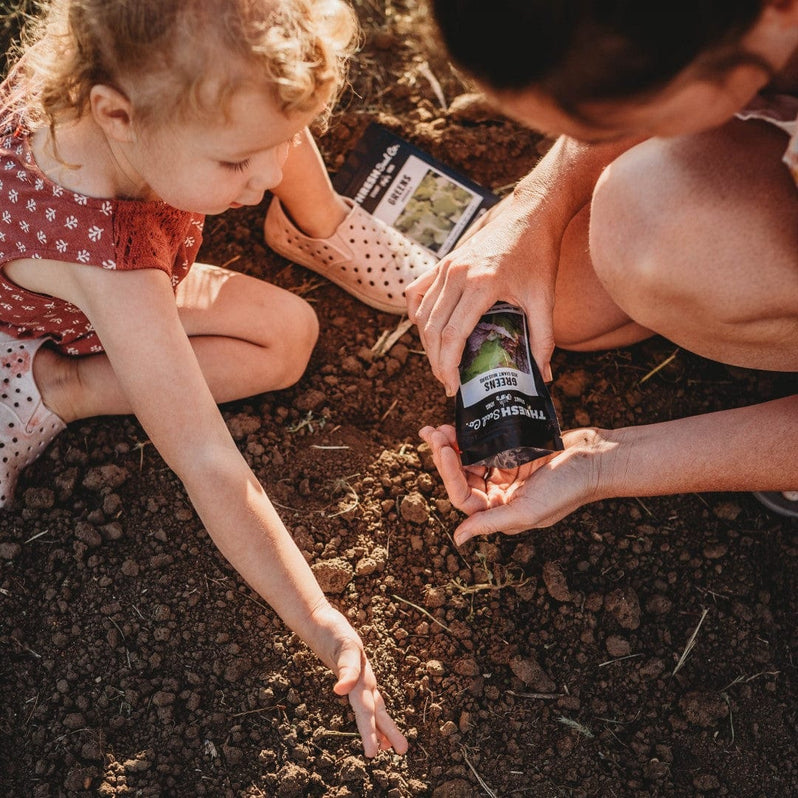
We're seed savers first—and that attitude goes into everything we do. That's why we only offer varieties that are capable of producing true-to-type seed. What's more, our resealable, mylar-lined packaging can be reused when you're ready to harvest your own seed crop.
Growing heirloom bush beans is a fun and rewarding garden endeavor and it couldn't be easier! Heirloom bush beans perform best in well-drained soil of normal fertility. Beans do not require supplemental nitrogen as they are able to fix their own, however a fall application of well-aged manure or compost will help to boost yields in poor soils. Avoid planting beans in low-lying or poor-draining areas as this can predispose seedlings to fungal diseases and damping off.
After the danger of frost has passed and daytime soil temps average at least 60 degrees, sow the bean seeds 1" deep, 4-6” apart in rows 24-36” apart. Avoid planting when cool, wet weather is forecast as this can increase the occurrence of fungal diseases and damping off. Water no more than necessary, or one inch per week if rainfall is not adequate.
Transplanting beans is generally not recommended as the roots are fragile and don't like being disturbed. For this reason, it is best to direct sow bean seeds in place.
Insect Pests
Mexican Bean Beetles and Japanese Beetles can be controlled using a simple homemade insecticidal soap solution. Pheromone-based Japanese Beetle traps can also be effective at minimizing damage to plants. Finally, selection of tolerant cultivars is important in areas with known insect issues.
Diseases & Other Problems
Consult your local extension office to determine which diseases are most common in your area. Site selection is key in keeping bean diseases at bay. Select well-draining sites that do not have a history of disease. Giving plants ample space will allow leaves to dry more quickly and slow the spread of disease. Remove plant debris in the fall and turn over soil to minimize disease carryover. Avoid planting beans in the same location for at least two years. During hot and dry periods, beans may stop flowering or may drop flowers. Pod production will resume once moisture has returned.
Avoid harvesting beans in the morning before the leaves have dried or after a rain as this can spread disease. Timing the harvest is a matter of personal preference. Stringless beans are typically harvested before the seeds reach an appreciable size, while string beans are often harvested once the beans start to bulge in the pods For dry beans, individual pods may be harvested as soon as they have begun to yellow. Alternatively, entire plants may be pulled once a majority of pods have yellowed. Allow pods to dry for about four days before shelling. Once shelled, allow to cure for another week. Place in an airtight container and store in a cool, dark place. Dry beans can be stored for several years under these conditions. If vacuum-sealed with a desiccant bag in the container, they will keep for up to 30 years.
CONSIDERATIONS:
Beans are self-pollinating plants with perfect flowers that contain both male and female floral organs. Pollination typically occurs before the flower has opened, therefore crossing in beans is fairly uncommon. Isolation distances of a few feet are usually sufficient to prevent cross-pollination, so long as plants are not allowed to intermingle.
HARVESTING SEED:
Beans that are being saved for seed are harvested exactly as are dry beans. Mature yellow or brown pods are pulled and allowed to dry completely. The pods can then be "shelled" or opened to release the beans.
SEED LONGETIVITY:
Bean seeds will maintain at least 50% germination for four years when stored under ideal conditions.
Sign up to get the latest on sales, new releases, and more...