We ship to the United States, its territories and outlying islands. Returns are accepted within 30 days of receipt. Full warranty information can be found here.





✓ Plant with Confidence—Guaranteed Through 2027
 Get it between -
Open-pollinated varieties, perfect for seed saving.
Safe seeds, free of neonics and other treatments.
It's simple. If you have a problem, we make it right.

Helianthus annuus
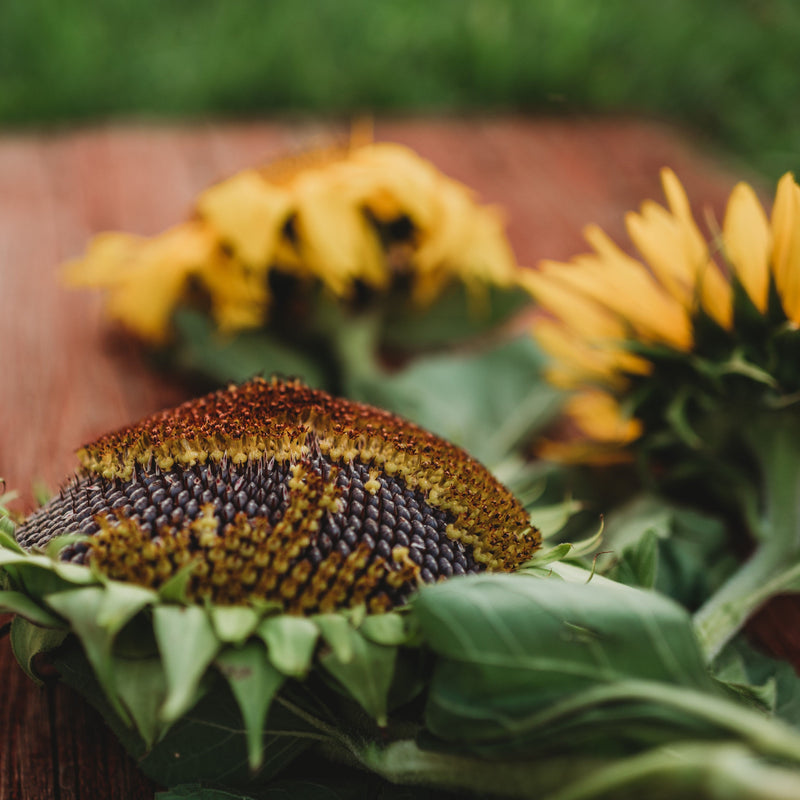
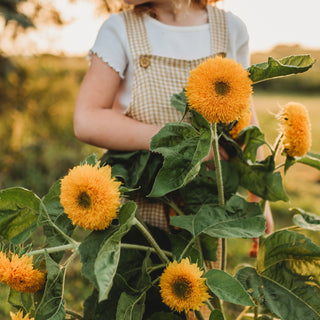
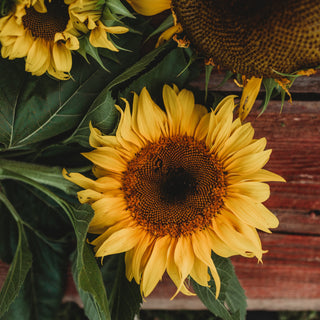
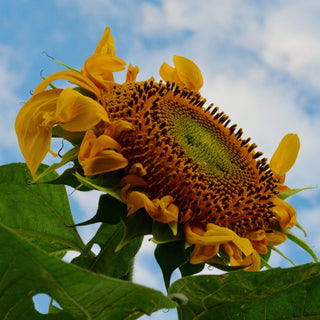
Peredovik is a widely adapted black oil sunflower valued for its large yellow blooms and shiny black seeds with a high oil content. The seed is especially attractive to doves, quail, pheasants, turkeys, songbirds, and other wildlife, making this a useful variety for gardens, bird plots, and wildlife plantings. Plants typically reach 4 to 6 feet tall and mature in approximately 80 to 100 days.
Developed in the Soviet Union and released commercially in 1960, Peredovik was once one of the most widely grown sunflower varieties in the world. Nearly 3 million acres were reportedly grown in the Soviet Union alone. When introduced to North America, its oil content substantially exceeded that of many co... More
Helianthus annuus
Peredovik is a widely adapted black oil sunflower valued for its large yellow blooms and shiny black seeds with a high oil content. The seed is especially attractive to doves, quail, pheasants, turkeys, songbirds, and other wildlife, making this a useful variety for gardens, bird plots, and wildlife plantings. Plants typically reach 4 to 6 feet tall and mature in approximately 80 to 100 days.
Developed in the Soviet Union and released commercially in 1960, Peredovik was once one of the most widely grown sunflower varieties in the world. Nearly 3 million acres were reportedly grown in the Soviet Union alone. When introduced to North America, its oil content substantially exceeded that of many commonly grown cultivars, helping spur a major expansion in sunflower production. The variety also became known for dependable yields and improved resistance to several important diseases and pests, including rust, Verticillium wilt, and broomrape.
Although modern hybrids eventually replaced it in large-scale commercial production, this historic variety remains popular with gardeners, conservationists, hunters, and bird enthusiasts. It is a dependable choice for anyone looking for an easy-to-grow sunflower that provides both ornamental value and an abundant source of oil-rich seed for wildlife. Each packet contains a minimum of 50 seeds.
Helianthus annuus
Peredovik is a widely adapted black oil sunflower valued for its large yellow blooms and shiny black seeds with a high oil content. The seed is especially attractive to doves, quail, pheasants, turkeys, songbirds, and other wildlife, making this a useful variety for gardens, bird plots, and wildlife plantings. Plants typically reach 4 to 6 feet tall and mature in approximately 80 to 100 days.
Developed in the Soviet Union and released commercially i... read more
Helianthus annuus
Peredovik is a widely adapted black oil sunflower valued for its large yellow blooms and shiny black seeds with a high oil content. The seed is especially attractive to doves, quail, pheasants, turkeys, songbirds, and other wildlife, making this a useful variety for gardens, bird plots, and wildlife plantings. Plants typically reach 4 to 6 feet tall and mature in approximately 80 to 100 days.
Developed in the Soviet Union and released commercially in 1960, Peredovik was once one of the most widely grown sunflower varieties in the world. Nearly 3 million acres were reportedly grown in the Soviet Union alone. When introduced to North America, its oil content substantially exceeded that of many commonly grown cultivars, helping spur a major expansion in sunflower production. The variety also became known for dependable yields and improved resistance to several important diseases and pests, including rust, Verticillium wilt, and broomrape.
Although modern hybrids eventually replaced it in large-scale commercial production, this historic variety remains popular with gardeners, conservationists, hunters, and bird enthusiasts. It is a dependable choice for anyone looking for an easy-to-grow sunflower that provides both ornamental value and an abundant source of oil-rich seed for wildlife. Each packet contains a minimum of 50 seeds.