We ship to the United States, its territories and outlying islands. Returns are accepted within 30 days of receipt. Full warranty information can be found here.

Free Shipping on Orders $35+
✓ Plant with Confidence—Guaranteed Through 2027
Get it between -
We ship to the United States, its territories and outlying islands. Returns are accepted within 30 days of receipt. Full warranty information can be found here.
We guarantee our seed to be fresh, vigorous, untreated, and true to variety.
Each packet is guaranteed through the year printed on the packet, plus one full additional growing year.
If your seeds fail to germinate, arrive damaged, or do not grow true to type, please contact us and we will make it right through replacement seed, store credit, or refund when appropriate.
Full warranty policy here.
Open-pollinated varieties, perfect for seed saving.
Safe seeds, free of neonics and other treatments.
It's simple. If you have a problem, we make it right.
Cucurbita moschata
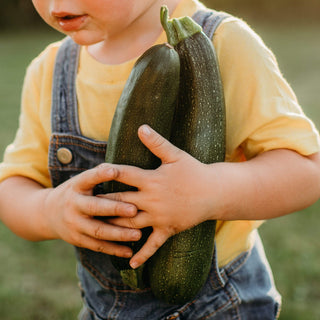
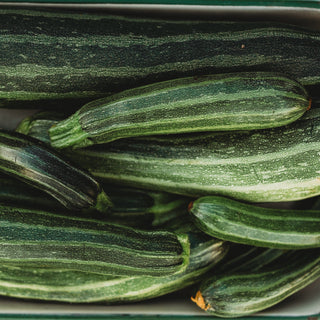
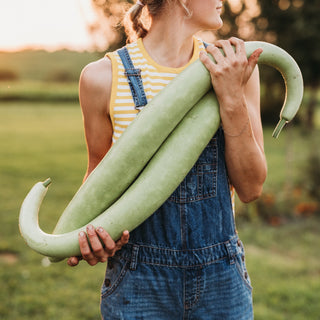
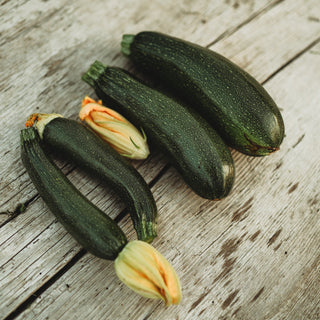
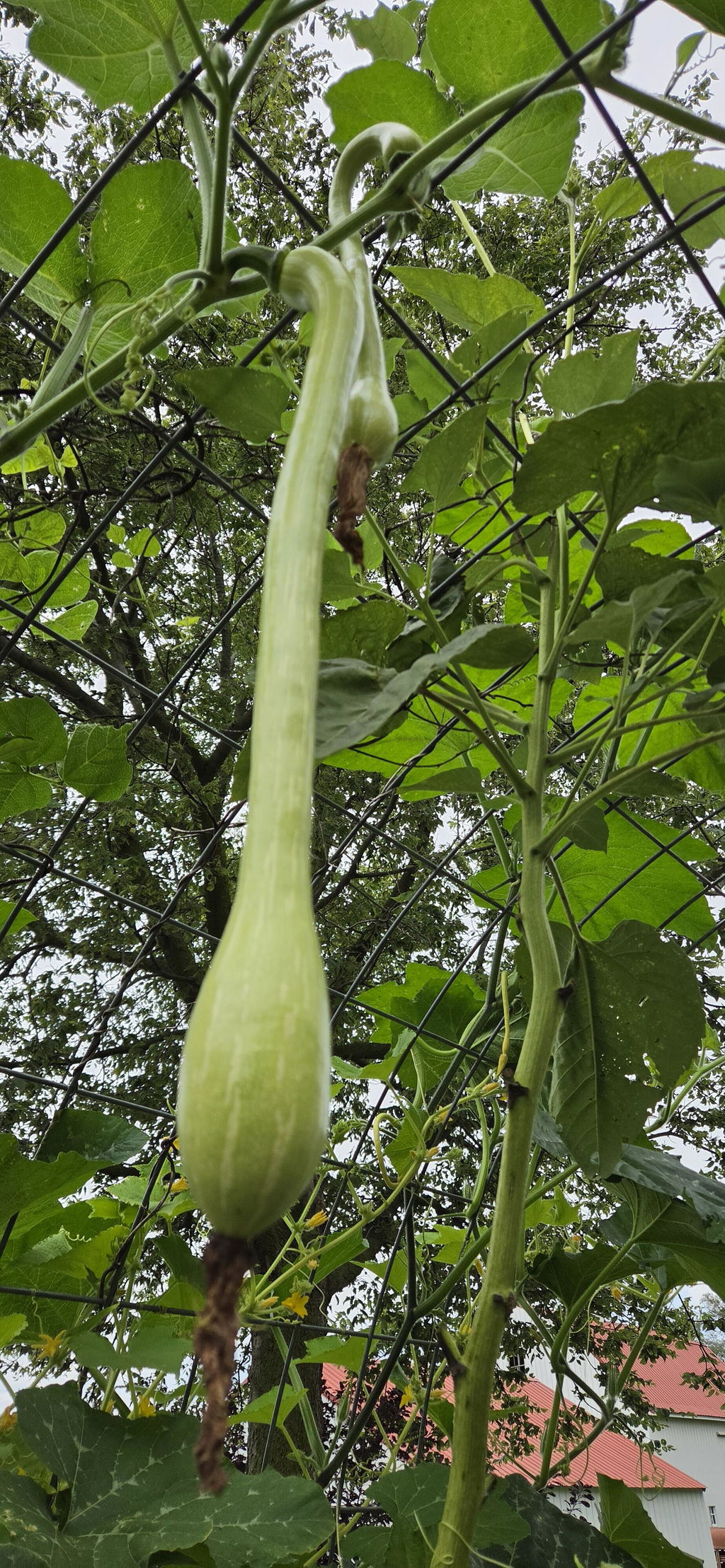
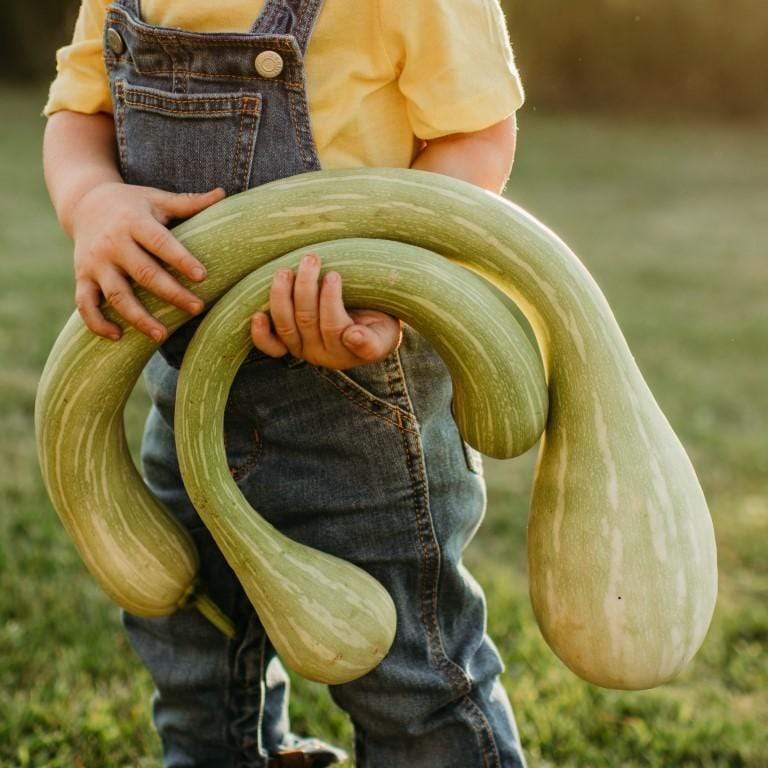
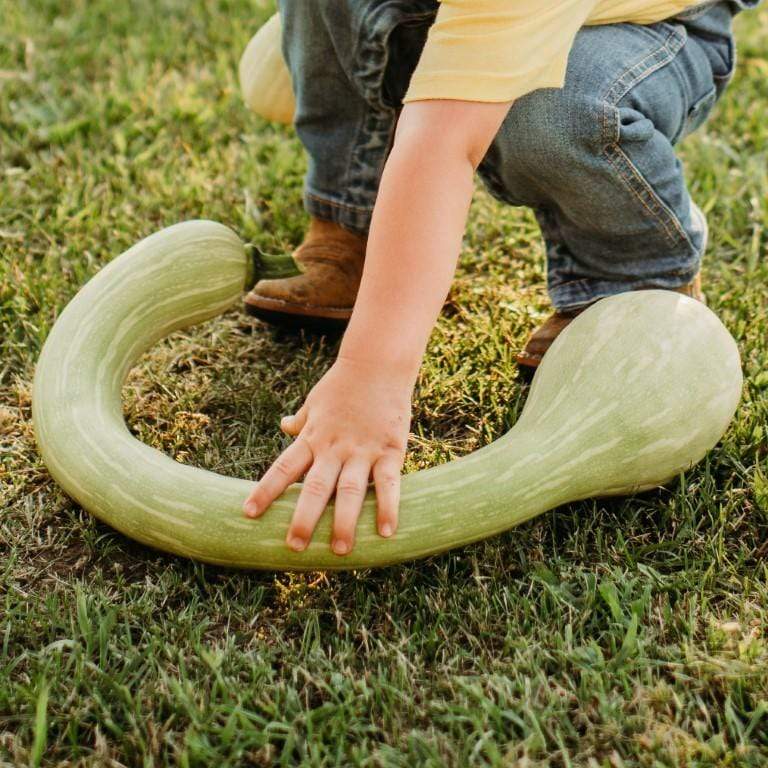
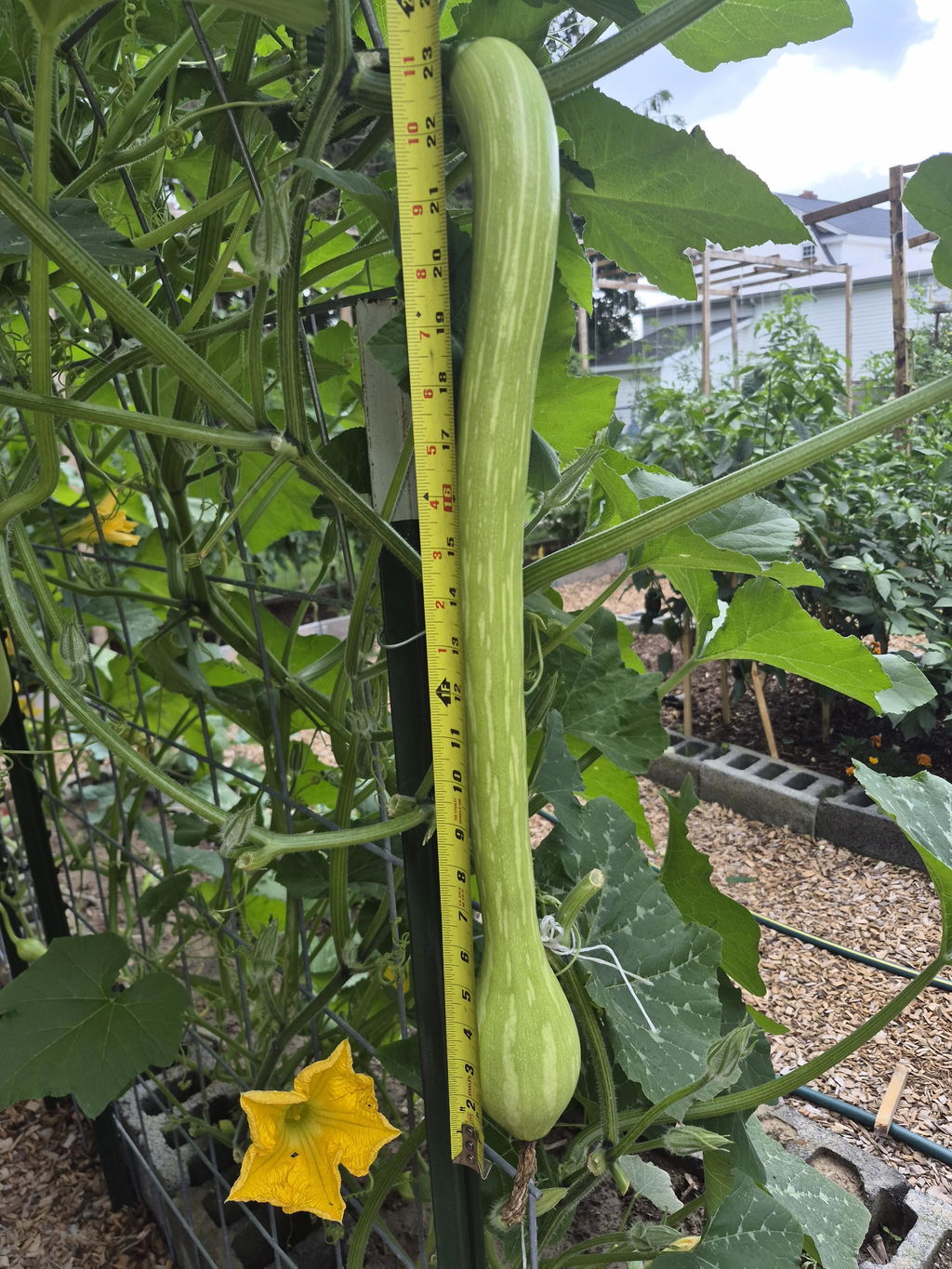
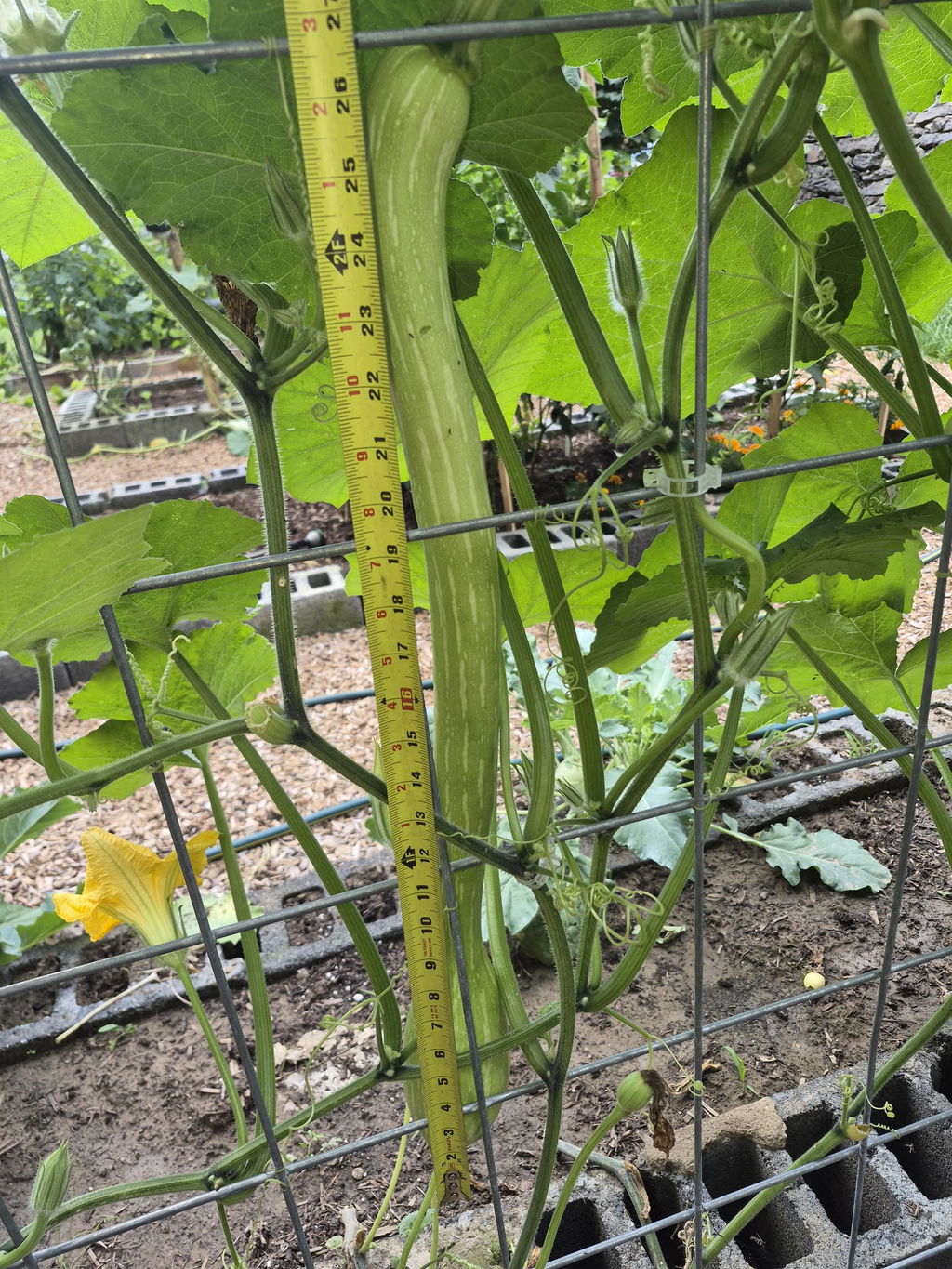
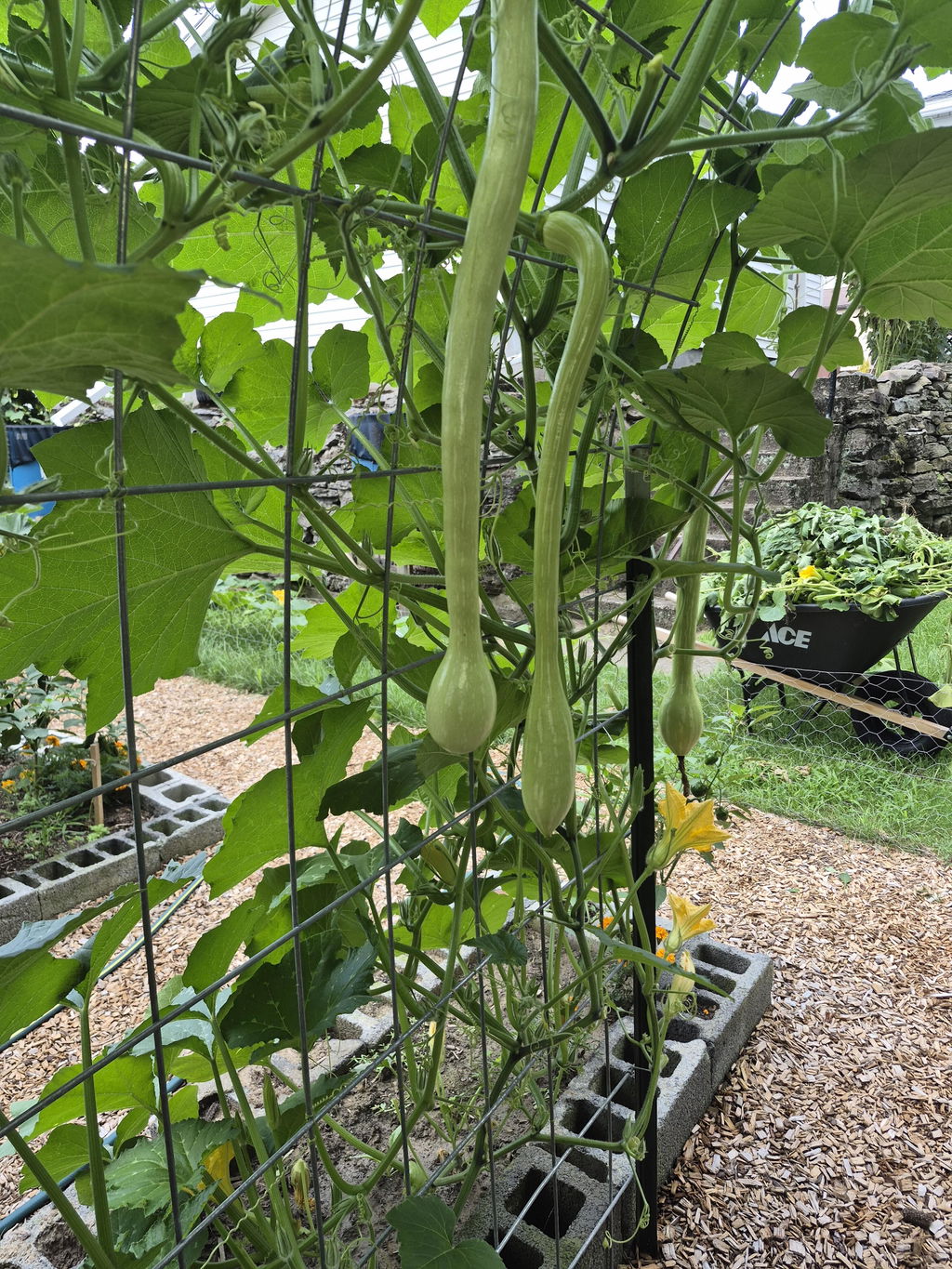
Also known as Zucchetta Rampicante, Zucchino Rampicante or Climbing Zucchini, the Tromboncino squash is an interesting dual-purpose heirloom squash grown predominantly for use as a summer squash. Vining plants produce light green squash with long, curved necks that, when harvested young contain tender, green interiors that can be used just like zucchini.
Young Tromboncino squash have a mildly sweet flavor, and are delicious whether sautéed, fried, roasted or grilled. Mature Tromboncino squash have a flavor similar to a butternut, although they are a little less sweet. We find that the mature squash work best as an accent ingredient, for example in squash risotto, rather than as a standalo... More
Cucurbita moschata
Also known as Zucchetta Rampicante, Zucchino Rampicante or Climbing Zucchini, the Tromboncino squash is an interesting dual-purpose heirloom squash grown predominantly for use as a summer squash. Vining plants produce light green squash with long, curved necks that, when harvested young contain tender, green interiors that can be used just like zucchini.
Young Tromboncino squash have a mildly sweet flavor, and are delicious whether sautéed, fried, roasted or grilled. Mature Tromboncino squash have a flavor similar to a butternut, although they are a little less sweet. We find that the mature squash work best as an accent ingredient, for example in squash risotto, rather than as a standalone dish.
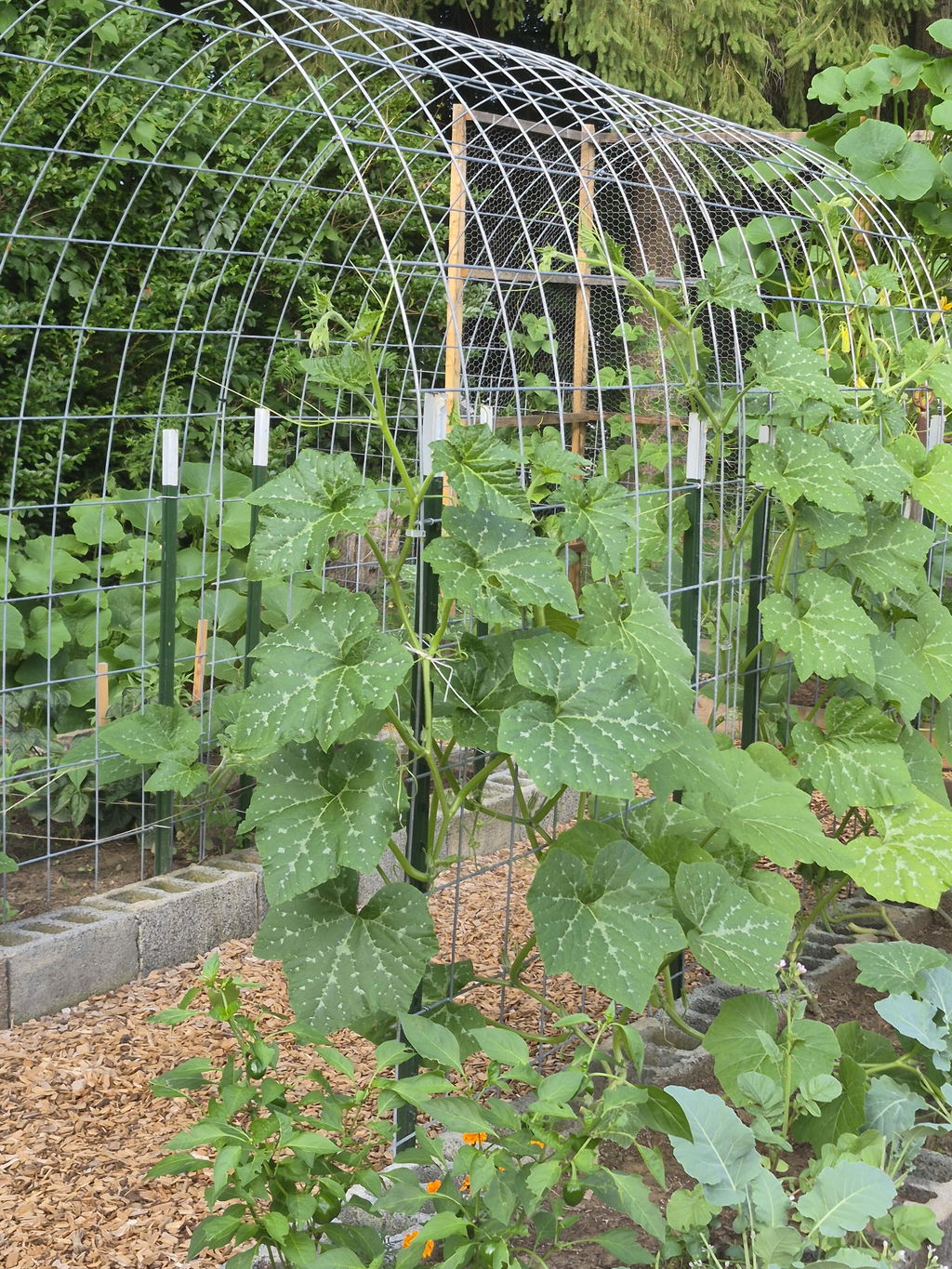
This popular Italian heirloom squash is a great option for gardeners with squash borer issues as the semi-solid stems make them more tolerant of sap sucking insects when compared to zucchini and other C. pepo summer squash varieties. Their climbing nature also makes them a great choice for gardeners wanting to grow zucchini vertically and maximize the square footage of their gardens. 60 days to maturity for summer squash. 90 days for winter squash. Each packet contains a minimum of 25 seeds.
Cucurbita moschata
Also known as Zucchetta Rampicante, Zucchino Rampicante or Climbing Zucchini, the Tromboncino squash is an interesting dual-purpose heirloom squash grown predominantly for use as a summer squash. Vining plants produce light green squash with long, curved necks that, when harvested young contain tender, green interiors that can be used just like zucchini.
Young Tromboncino squash have a mildly sweet flavor, and are delicious whether sautéed, frie... read more
Cucurbita moschata
Also known as Zucchetta Rampicante, Zucchino Rampicante or Climbing Zucchini, the Tromboncino squash is an interesting dual-purpose heirloom squash grown predominantly for use as a summer squash. Vining plants produce light green squash with long, curved necks that, when harvested young contain tender, green interiors that can be used just like zucchini.
Young Tromboncino squash have a mildly sweet flavor, and are delicious whether sautéed, fried, roasted or grilled. Mature Tromboncino squash have a flavor similar to a butternut, although they are a little less sweet. We find that the mature squash work best as an accent ingredient, for example in squash risotto, rather than as a standalone dish.
This popular Italian heirloom squash is a great option for gardeners with squash borer issues as the semi-solid stems make them more tolerant of sap sucking insects when compared to zucchini and other C. pepo summer squash varieties. Their climbing nature also makes them a great choice for gardeners wanting to grow zucchini vertically and maximize the square footage of their gardens. 60 days to maturity for summer squash. 90 days for winter squash. Each packet contains a minimum of 25 seeds.
With the produce aisles becoming more and more flavorless and processed food ever more flavorful, it's easy to see how vegetables have gotten a bad rap, but we're on a mission to change that. With our easy-to-grow, flavorful heirlooms, we aim to help families produce their own delicious, healthful food, all while fostering a love for gardening.
Summer squash thrives in well-draining, fertile soil with a pH between 6.0 and 7.0. The ideal soil temperature for planting is between 70-95°F (21-35°C), and a soil temperature of at least 60°F (16°C) is needed for seeds to germinate. Summer squash requires full sun exposure, which means at least six to eight hours of direct sunlight per day. To maximize fruit set and yield, it's important to provide consistent moisture to the plant throughout the growing season.
After danger of frost has passed, sow seeds in hills with 4-5 seeds per hill and hills spaced 6ft in all directions. Germination will occur in 7-14 days. Once seeds have germinated thin to 3 seedlings per hill.
Not recommended
Insect Pests
Summer squash can be affected by several insect pests, including squash bugs and cucumber beetles. To prevent infestations, it's important to rotate crops and remove and destroy all plant residue at the end of season.
Diseases & Other Problems
Summer squash can be affected by several diseases, including powdery mildew, downy mildew, and bacterial wilt. Other problems that can affect summer squash include blossom end rot, which is caused by calcium deficiency and/or drought, and fruit rot, which is caused by fungal infections. To avoid problems, water deeply but infrequently (once per week), ideally from a drip hose. If watering overhead, water in the morning so that the leaves can dry more quickly. Finally, to ensure proper pollination, grow at least three plants of the same species (most summer squash belong to C. pepo). Male and female flowers of a single vine will often not "nick" with one another.
Summer squash should be harvested when the fruit is small and tender. For crookneck or straight types this is typically when the squash is no more than 6-8 inches long. For scalloped varieties, harvest while the skins are still glossy and are tender enough to be punctured by a fingernail. To harvest, gently twist the fruit from the stem or use pruning shears to cut the stem just above the fruit. Harvesting regularly encourages continued production throughout the growing season. Summer squash can be stored in the refrigerator for up to a week, but it is best to use it as soon as possible since it will quickly lose flavor and texture. Avoid washing squash until ready to use, as excess moisture can cause the fruit to spoil more quickly.
CONSIDERATIONS:
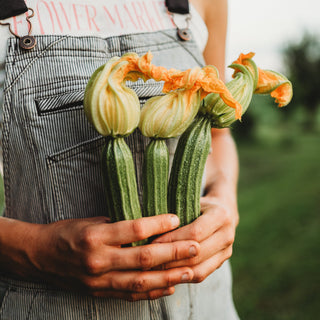
Squash is an outbreeding plant with male and female flowers being borne separately, but on the same plant. Pollination occurs primarily by insects. The different species of squash (C. pepo, C. maxima, C. mixta, C. moshata, C. ficifolia, and C. foetidissima) are generally regarded to be incompatible, although some debate exists about whether hybridization between species can occur. For the average gardener, it is probably safe to produce one variety of each species in a given year, even in close proximity. Multiple varieties of the same species need to be isolated by at least half a mile. Hand-pollination is relatively easy; however, care must be taken to utilize as many plants as possible to ensure that inbreeding depression does not occur.
HARVESTING SEED:
To harvest squash seed, wait until the squash reach full maturity. Allowing a post-harvest curing period may help improve germination but is not necessary. Cut open the squash and scoop out the seeds. Seeds may be washed to remove any pump that remains and dried on a paper towel. Alternatively, our preferred method is to put the seeds and pulp in a bucket and add just enough water to submerge the seeds. Place a plate and weight on top to keep the seeds from floating on top of the water. Allow to ferment for 1-2 days. Stir vigorously or mix with a drill fitted with a paint mixer, add water and allow the seeds to sink to the bottom. Pour off water, pulp, and non-viable (floating) seeds. Repeat until water runs clean.
SEED LONGETIVITY:
Squash seeds remain viable for six years when stored under ideal conditions.
Thank you for your review, Malcomb. We're so glad you had good results with your Tromboncino seeds. We wish you continued success this growing season!
I had all but one seed germinate and they were popping up 3 days after planting!
Probably the best thing I ever grew in my 30+ years of gardening. Such lovely squash....when young and green they are like a zucchini but without all the seeds and much sweeter. Then they mature to these massive crook-neck type squash with flavor reminiscent of a butternut squash. They last in the basement for weeks and weeks. Had a giant one for Thanksgiving. Like I said....best thing I ever grew.
Delivered in less than a week, lovely packaging, can't wait to start growing these beauties.
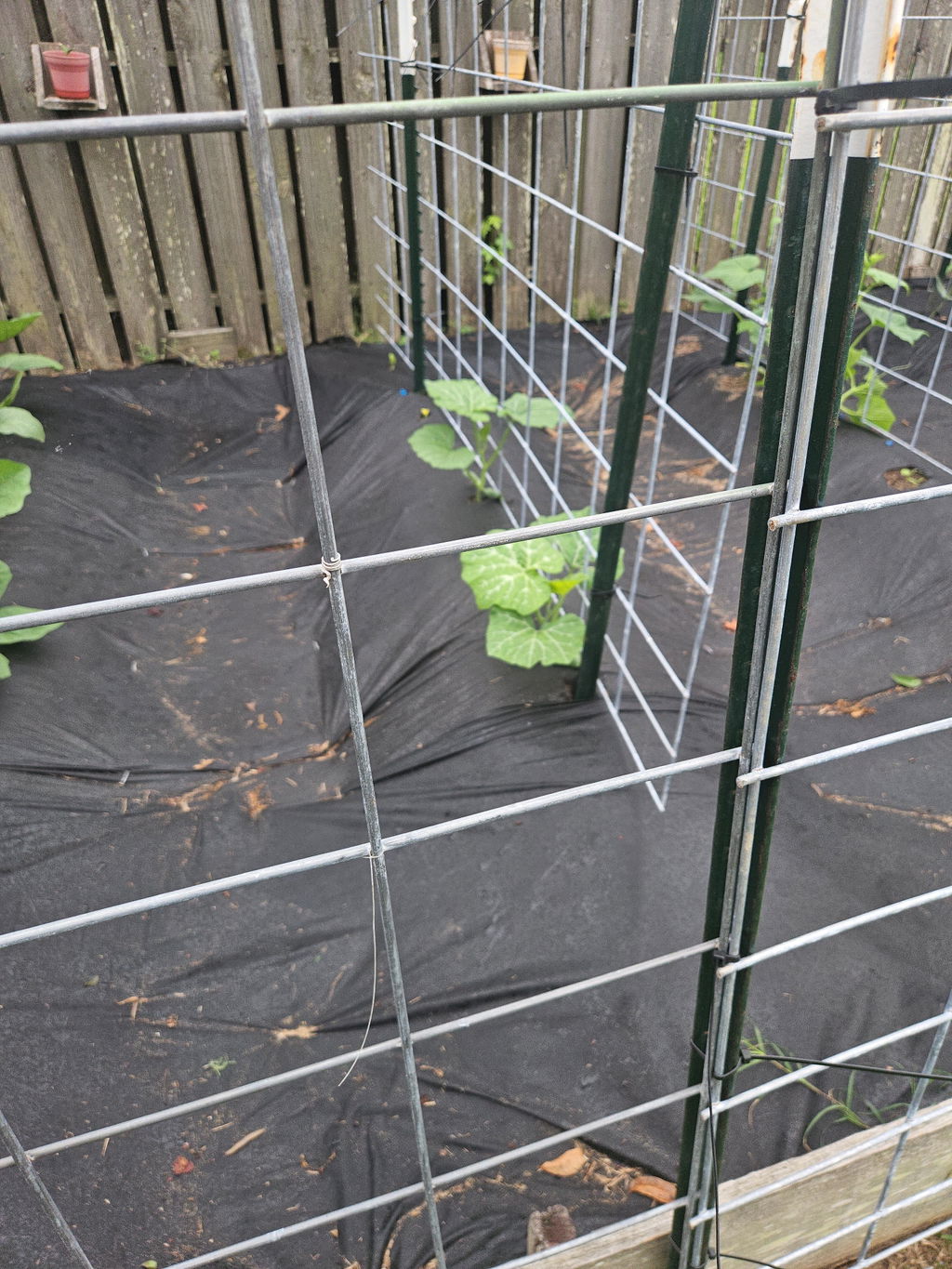
I grew Tromboncino squash for the first time this past growing season. I planted two plants along the backside of my arched cattle panel trellis that I use for cucumbers and tomatoes. The two plants grew like nothing I have ever seen in gardening. They vined every direction possible and even left the trellis in a few places to grow with the pepper plants that were in 65 gal grow bags. After they bloomed and light green squash began to grow at amazing rates I picked my first one about 18” long and sautéed it with onion for lunch after a long morning of gardening. I was delighted with its delicious flavor and texture. I will no longer plant yellow squash and zucchini because this plants is much more productive and is not phased by stink bugs or vine bores. I harvested over 25 swuash from each plant either as large summer squash or huge winter squash. I gave away squah to all my friends and neighbors and they all liked it too as a summer squash. I left the rest in early September to develop into winter squash and some were over 4 feet long and weight several pounds. So in conclusion iif you wsnt to grow alot of food quick and easy here you go grow tis squash.
Sign up to get the latest on sales, new releases, and more...