





Free Shipping on Orders $35+

Login
Amazon American Express Apple Pay Diners Club Discover Google Pay Mastercard PayPal Shop Pay Venmo Visa
Non-GMO
Easy to Grow
Heirloom

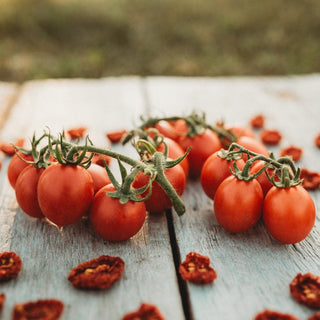
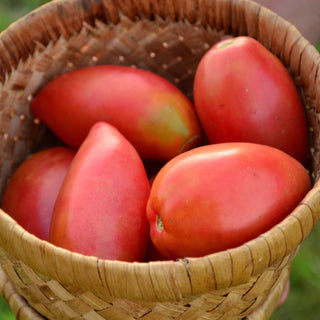
San Marzano Tomato

Quick Facts:

  • Heirloom roma tomato from Italy
  • Robust, low-acid flavor
  • Perfect for sauce and canning
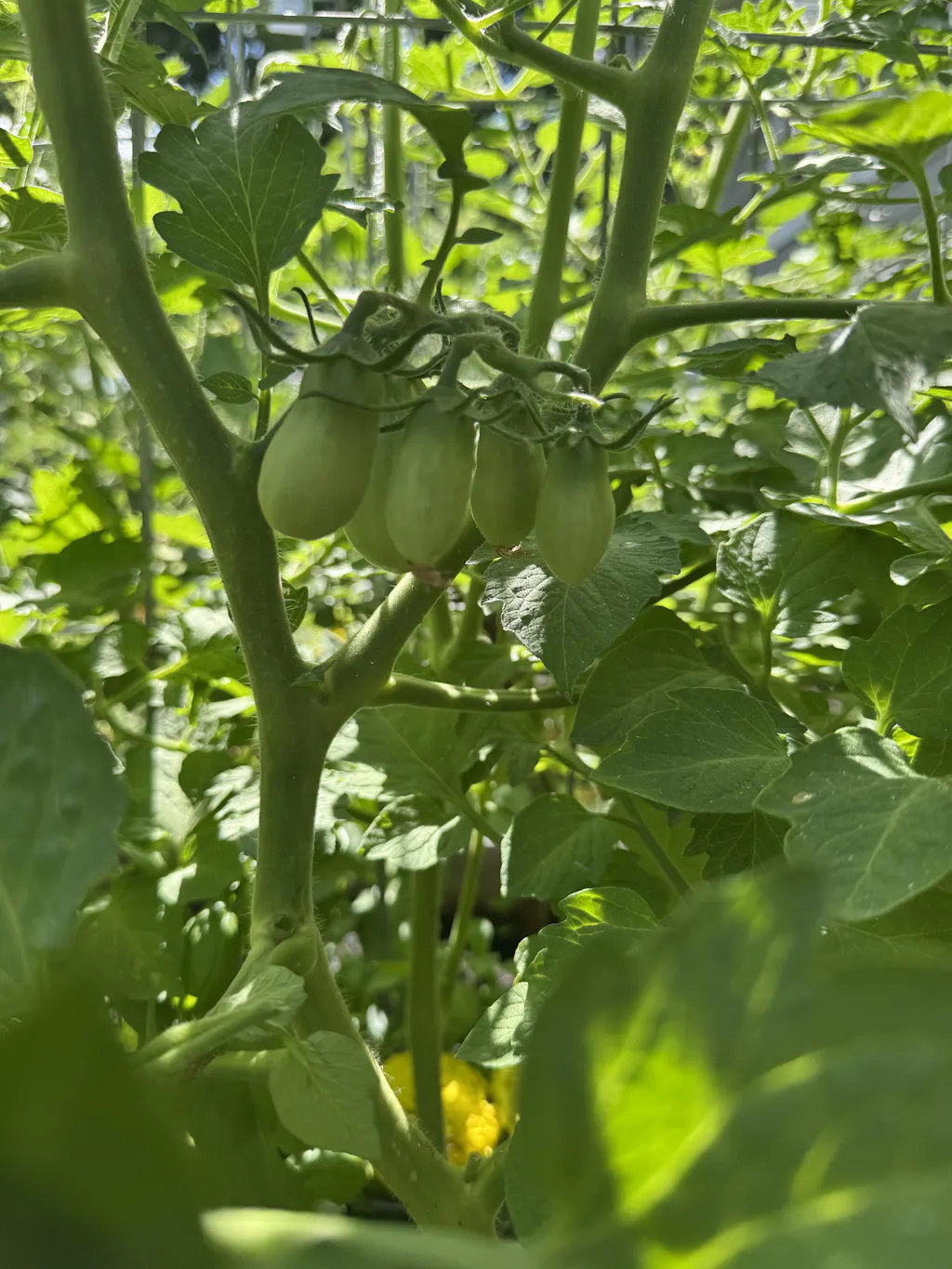
  • Bears heavily over a long harvest window
  • Indeterminate, 80 days from transplant

View full description

Quantity: Packet (50 Seeds)

shipping estimated time of arrival Get it between -

We ship to all areas of North America including the United States, its territories and outlying islands, and Canada. International orders may incur an additional charge to cover the handling of customs paperwork. Returns are accepted within 30 days of receipt. Full warranty information can be found here.

San Marzano Heirloom Roma Tomato

More about San Marzano

Solanum lycopersicum

San Marzano is a historic Italian heirloom traditionally grown in the volcanic soils surrounding Mount Vesuvius near Naples. Celebrated for generations as one of the finest Italian tomatoes for sauce, this elongated, thick-walled tomato has long been associated with classic Neapolitan cooking. After centuries of Italian cultivation, the beloved variety found its way into American gardens, becoming one of the parent lines used to develop the now-famous Roma tomato.

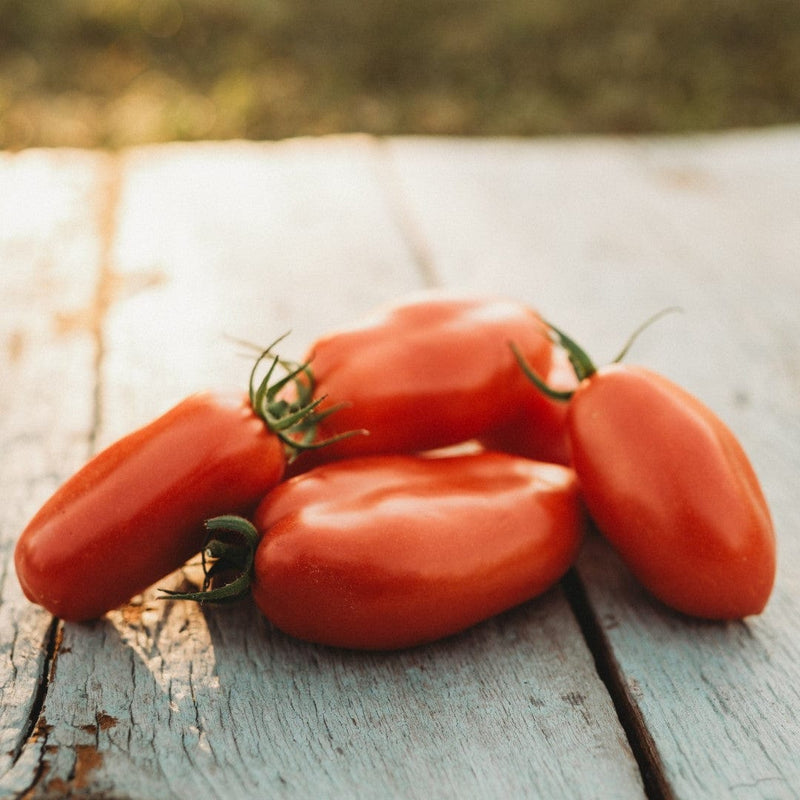
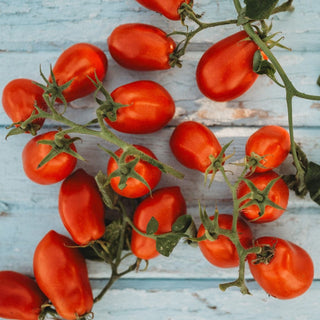
San Marzano's tomatoes are slender and meaty with few seeds and balanced juice content, making them ideal for sauce, paste, and canning. Often cited as a low-acid tomato, San Marzano recorded one of the highest average pH readings ... More

Less

Solanum lycopersicum

San Marzano is a historic Italian heirloom traditionally grown in the volcanic soils surrounding Mount Vesuvius near Naples. Celebrated for generations as one of the finest Italian tomatoes for sauce, this elongated, thick-walled tomato has long been associated with classic Neapolitan cooking. After centuries of Italian cultivation, the beloved variety found its way into American gardens, becoming one of the parent lines used to develop the now-famous Roma tomato.

San Marzano's tomatoes are slender and meaty with few seeds and balanced juice content, making them ideal for sauce, paste, and canning. Often cited as a low-acid tomato, San Marzano recorded one of the highest average pH readings (approximately 4.68) in a 1977 study comparing the acidity of common cultivars—making it one of the least acidic tomatoes in that particular trial.  Perhaps one of the many reasons why San Marzano remains one of the most popular heirloom paste tomatoes grown today. Matures approximately 80 days from transplant.  Each packet contains a minimum of 50 seeds.

Solanum lycopersicum

San Marzano is a historic Italian heirloom traditionally grown in the volcanic soils surrounding Mount Vesuvius near Naples. Celebrated for generations as one of the finest Italian tomatoes for sauce, this elongated, thick-walled tomato has long been associated with classic Neapolitan cooking. After centuries of Italian cultivation, the beloved variety found its way into American gardens, becoming one of the parent lines used to develop the now-famous R... read more

read less

Solanum lycopersicum

San Marzano is a historic Italian heirloom traditionally grown in the volcanic soils surrounding Mount Vesuvius near Naples. Celebrated for generations as one of the finest Italian tomatoes for sauce, this elongated, thick-walled tomato has long been associated with classic Neapolitan cooking. After centuries of Italian cultivation, the beloved variety found its way into American gardens, becoming one of the parent lines used to develop the now-famous Roma tomato.

San Marzano's tomatoes are slender and meaty with few seeds and balanced juice content, making them ideal for sauce, paste, and canning. Often cited as a low-acid tomato, San Marzano recorded one of the highest average pH readings (approximately 4.68) in a 1977 study comparing the acidity of common cultivars—making it one of the least acidic tomatoes in that particular trial.  Perhaps one of the many reasons why San Marzano remains one of the most popular heirloom paste tomatoes grown today. Matures approximately 80 days from transplant.  Each packet contains a minimum of 50 seeds.

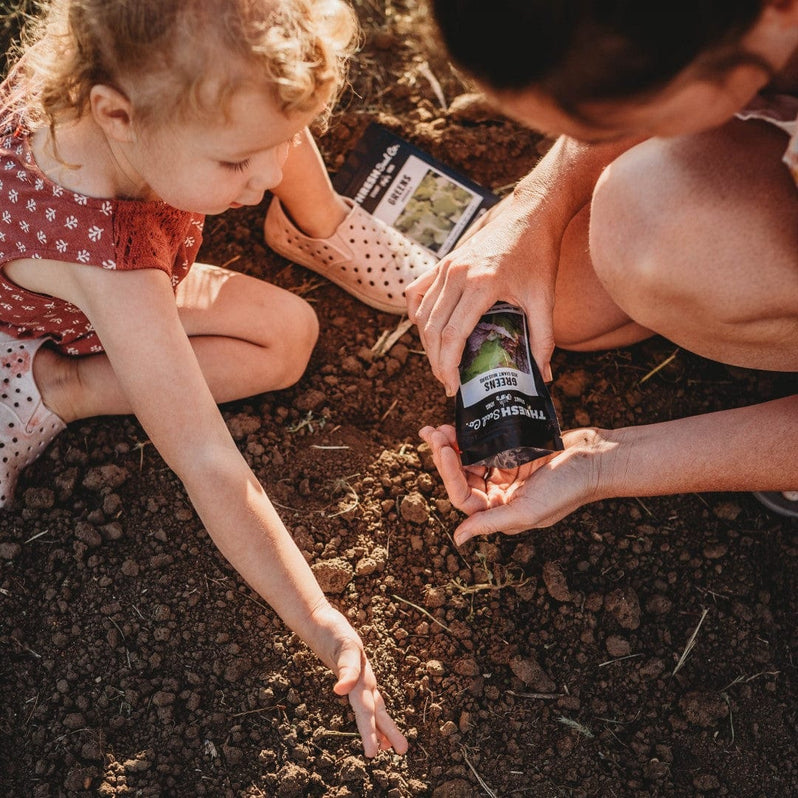
Little Girl planting seeds
Little girl planting seeds

How to Grow Paste Tomatoes

Tomatoes perform best in well-drained soil that contains plenty of organic matter and adequate phosphorous and calcium.  Ensure that the planting site receives at least 6 hours of daily sunlight.  Tomatoes require about two inches of water per week, otherwise fruit may become prone to developing blossom end rot.  Mulching plants with poly, paper, or natural materials will ensure consistent moisture throughout the root zone, especially during dry periods. 

For earliest harvest, start seeds indoors 6 weeks before the last frost.  Sow seeds 1/4" deep in well-moistened, sterile seed-starting mix.  The ideal temperature for tomato seed germination is 80 degrees.  For best results, place a growers heat mat beneath trays until germination has occurred.  Under ideal conditions, germination should occur in 7-10 days.  Water only as needed, as watering cools the soil and encourages fungal growth.

After danger of frost has passed, set transplants 30-36" apart in rows 48-60" apart.  To encourage strong roots, pinch off all but the top three leaves and bury the bottom two-thirds of the plant.  Ensure that plants receive 2" of water per week.  Avoid over-application of nitrogen as this can cause vegetative growth at the expense of fruit set.  Caging or staking plants is recommended.  While plants can be left to roam, providing support to plants will minimize soil-borne diseases.

Insect Pests

Biological controls such as Bacillus thuringiensis can be effective in controlling climbing cutworms and tomato hornworms.  Flea beetles, and other hard-shelled insects can be controlled with a simple homemade insecticidal soap solution.

Diseases & Other Problems

Contact your local university extension office to learn which tomato diseases are most prevalent in your area.  To prevent common tomato diseases like Septoria leaf spot, anthracnose, tomato wilt and blight, avoid watering plants at night or on cool, cloudy days.  Watering from below the canopy, mulching, and ensuring ample space between plants can also slow the spread of disease.  Finally, removing plant litter in the fall along with proper crop rotation and tillage will further limit the spread of disease.  Blossom end rot is a common issue caused by calcium deficiency and/or insufficient water intake.  Excess nitrogen and/or insufficient phosphorous can cause tomato plants to become bushy and produce few blossoms. 

For best flavor and texture, allow tomatoes to remain on the vine as long as possible.  If any fall before they have ripened, place them in a paper bag or wrap them in newspaper and set in a cool, dark place, stem side up, until fully ripened.  Tomatoes should not be refrigerated as it inhibits flavor-enhancing enzyme activity and contributes to an unpleasant, mealy texture.

CONSIDERATIONS:

Tomatoes are inbreeding plants with self-fertilization usually occurring before flowers have opened.  Therefore, measures to control cross pollination are usually not necessary.  Reports of out-crossing in tomatoes range from 0 to 5 percent, with substantially higher rates seen in potato-leaved cultivars.  Varieties with larger tomatoes are more prone to out-crossing because their large flowers are more open and the stigma may extend beyond the flower.  For this same reason, seeds should never be saved from double fruit of any variety.  Examine the stigma length of a particular variety to determine whether flowers will need to be bagged to prevent out-crossing.  If needed, inexpensive organza bags, like those used for wedding favors, can be placed over blossoms until nascent fruit appear. Bags should then be removed and the fruit tagged.

HARVESTING SEED:

To harvest seeds, cut fully ripened tomatoes in half and squeeze seeds and pulp into a container.  Cover with mesh and let sit until a layer of white fungus covers the surface (about 3-5 days.)  Fill container with cold water, stirring until seeds settle on the bottom.  Pour off water and pulp.  Repeat until seeds are clean.  Dry on a coffee filter.

SEED LONGETIVITY:

Tomato seeds will remain viable for up to 10 years when stored under ideal conditions.

San Marzano Heirloom Roma Tomato

Search