We ship to the United States, its territories and outlying islands. Returns are accepted within 30 days of receipt. Full warranty information can be found here.

Free Shipping on Orders $35+
✓ Plant with Confidence—Guaranteed Through 2027
Get it between -
We ship to the United States, its territories and outlying islands. Returns are accepted within 30 days of receipt. Full warranty information can be found here.
We guarantee our seed to be fresh, vigorous, untreated, and true to variety.
Each packet is guaranteed through the year printed on the packet, plus one full additional growing year.
If your seeds fail to germinate, arrive damaged, or do not grow true to type, please contact us and we will make it right through replacement seed, store credit, or refund when appropriate.
Full warranty policy here.
Open-pollinated varieties, perfect for seed saving.
Safe seeds, free of neonics and other treatments.
It's simple. If you have a problem, we make it right.
Physalis ixocarpa
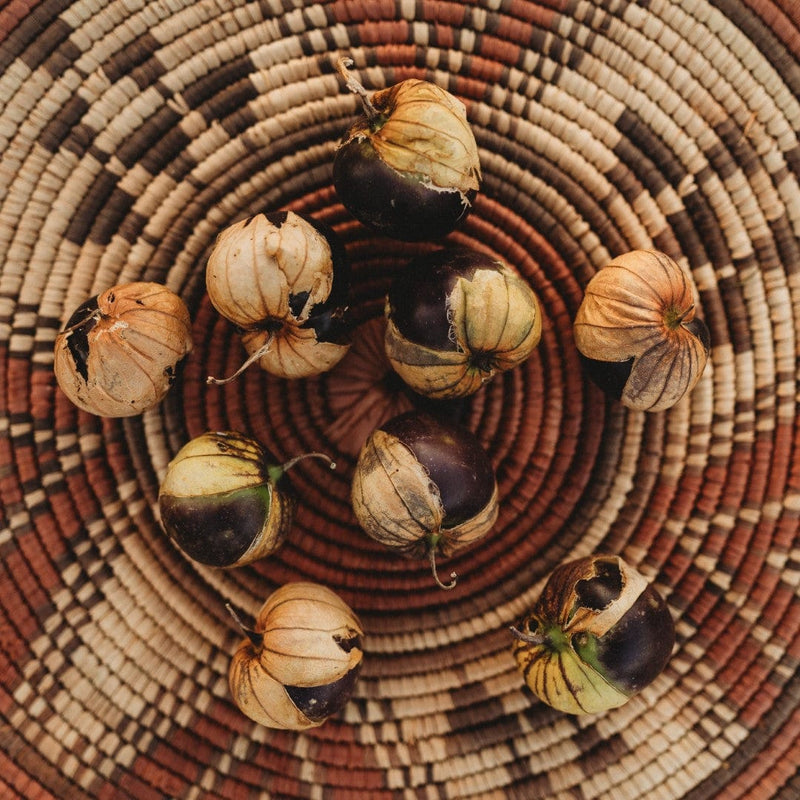
Purple Coban is an open-pollinated variety of purple tomatillo collected in Coban, Guatemala by Baker Creek Seed Company. Plants produce good yields of small, purple tomatillos encased in papery husks. Fruit are initially green but ripen to a deep purple color when mature. They have an excellent, sweet flavor that makes them well-suited for salsas and sauces. Matures approximately 70 to 80 days from transplant. Each packet contains a minimum of 25 seeds.
Physalis ixocarpa
Purple Coban is an open-pollinated variety of purple tomatillo collected in Coban, Guatemala by Baker Creek Seed Company. Plants produce good yields of small, purple tomatillos encased in papery husks. Fruit are initially green but ripen to a deep purple color when mature. They have an excellent, sweet flavor that makes them well-suited for salsas and sauces. Matures approximately 70 to 80 days from transplant. Each packet contains a minimum of 25 see... read more
Physalis ixocarpa
Purple Coban is an open-pollinated variety of purple tomatillo collected in Coban, Guatemala by Baker Creek Seed Company. Plants produce good yields of small, purple tomatillos encased in papery husks. Fruit are initially green but ripen to a deep purple color when mature. They have an excellent, sweet flavor that makes them well-suited for salsas and sauces. Matures approximately 70 to 80 days from transplant. Each packet contains a minimum of 25 seeds.
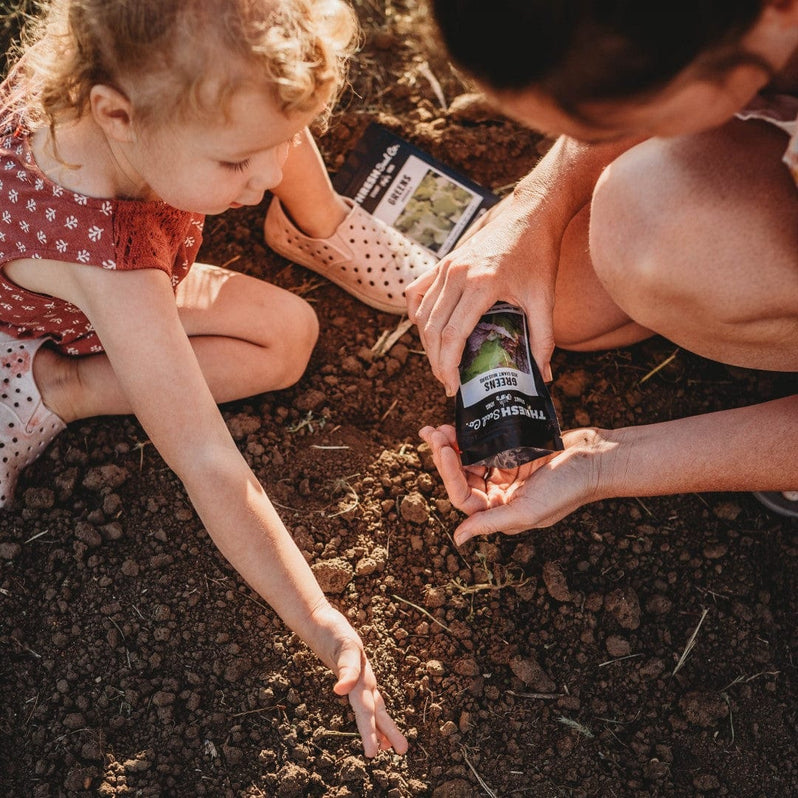
We're seed savers first—and that attitude goes into everything we do. That's why we only offer varieties that are capable of producing true-to-type seed. What's more, our resealable, mylar-lined packaging can be reused when you're ready to harvest your own seed crop.
Tomatillos require well-draining soil with a pH of 6.0 to 7.5 and full sun exposure, preferably in a location with at least 6 hours of direct sunlight daily. The soil should be kept consistently moist but not waterlogged, and regular fertilization can be beneficial. Proper soil and sunlight conditions will help ensure healthy tomatillo growth and a bountiful harvest. Plants have similar growth habit to tomatoes and likewise benefit from caging
For earliest harvest, start seeds indoors 4-6 weeks before the last frost. Sow seeds 1/4" deep in well-moistened, sterile starting mix. Plants will get leggy even in greenhouse conditions, but don't worry as roots will develop along lower portion of the stem. Can also be directly seeded outdoors after the danger of frost has passed.
After danger of frost has passed, set plants outdoors, 36" apart in rows 60" apart.
Insect Pests
Tomatillos are susceptible to various insect pests, including aphids, flea beetles, tomato hornworms, and cutworms. Regular monitoring, cultural practices such as weed control and maintaining good soil health, and the use of organic sprays or floating row covers can help prevent and manage insect infestations on tomatillo plants.
Diseases & Other Problems
Although generally care-free plants, tomatillos can be susceptible to a number of diseases and other problems, including blight, powdery mildew, and fruit rot. Overwatering and poor soil drainage can also lead to root rot and other fungal issues. Proper cultural practices such as crop rotation, soil amendment, and good sanitation can help prevent disease issues, and prompt removal and destruction of infected plants can prevent the spread of disease.
Tomatillos should be harvested when the fruit is firm, green, and fully developed inside the papery husk, which will turn brown at maturity. Gently twist or pull the fruit from the plant, leaving the husk intact. Tomatillos have a tendency to drop at maturity, but are rarely damaged. Just be sure to harvest regularly. Store tomatillos in their husks in a cool, dry place for up to 2-3 weeks, or in the refrigerator for up to a month. To freeze, remove the husks, blanch the fruit for a few minutes, and then freeze in a single layer on a baking sheet before transferring to a freezer-safe container.
CONSIDERATIONS:
The flowers of tomatillos are perfect, meaning they contain both male and female organs, and are self-pollinating. Tomatillos will not cross with any other Physalis species, including ground cherries and cape gooseberries. However, because tomatillo flowers are open and are frequented by pollinators, we prefer to grow only one variety each year.
HARVESTING SEED:
Wait until fruit reach full maturity. If they have fallen, they almost certainly will be mature. Allow the fruit to after-ripen in their husks for about one week. Remove from husks and place in a blender or food processor fitted with a plastic blade.
SEED LONGETIVITY:
Tomatillo seeds will remain viable for three years when stored in ideal conditions.
Sign up to get the latest on sales, new releases, and more...