We ship to the United States, its territories and outlying islands. Returns are accepted within 30 days of receipt. Full warranty information can be found here.








✓ Plant with Confidence—Guaranteed Through 2027
 Get it between -
Open-pollinated varieties, perfect for seed saving.
Safe seeds, free of neonics and other treatments.
It's simple. If you have a problem, we make it right.
Phaseolus vulgaris
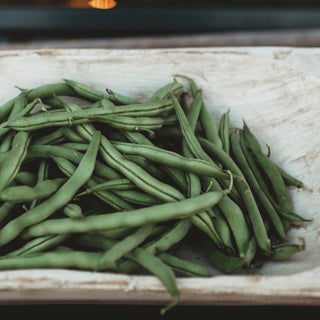
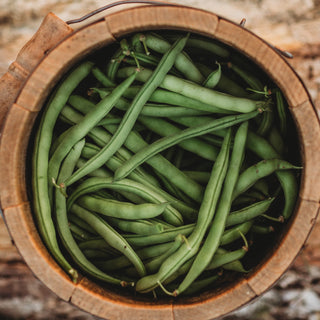
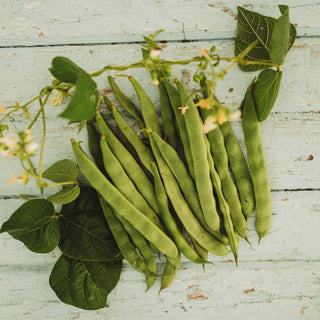
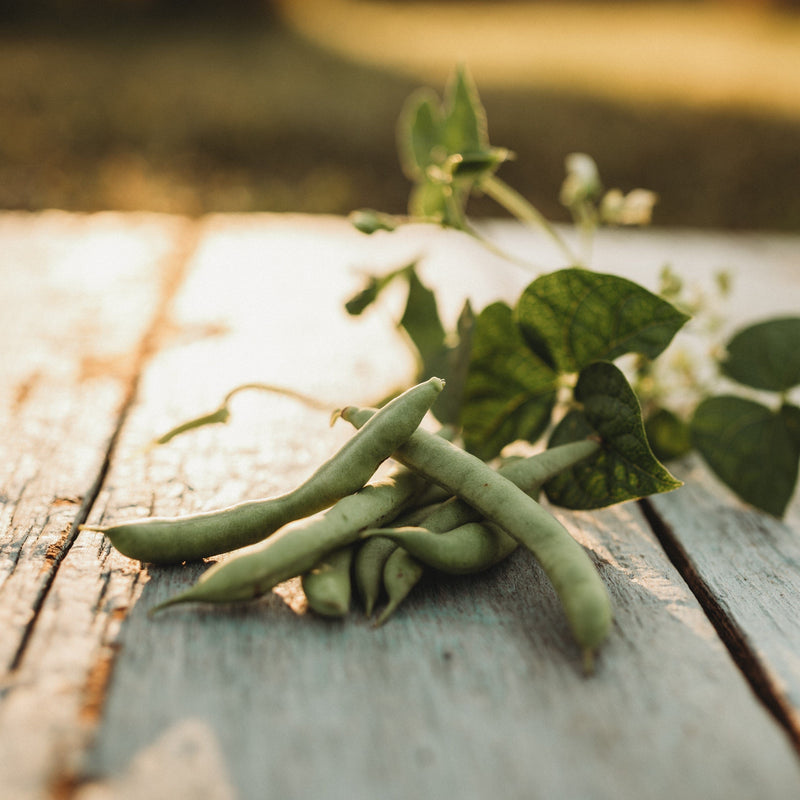
Mountaineer is an heirloom half-runner green bean that produces good yields of stout, 4-inch beans on sprawling semi-runner type plants that reach up to 36 inches in length. The fat rounded green beans are stringless when harvested at an early stage, with an excellent, old-fashioned flavor that is often lacking in newer stringless varieties. If left on the plant, pods will eventually develop prominent strings as their plump, white seeds begin to swell, but they are still suitable at this stage for destringing and serving as shelly beans or for drying down to put by for winter.
The Mountaineer Half Runner Bean has somewhat of an elusive past, but the most credible reports have it as a descend... More
Phaseolus vulgaris
Mountaineer is an heirloom half-runner green bean that produces good yields of stout, 4-inch beans on sprawling semi-runner type plants that reach up to 36 inches in length. The fat rounded green beans are stringless when harvested at an early stage, with an excellent, old-fashioned flavor that is often lacking in newer stringless varieties. If left on the plant, pods will eventually develop prominent strings as their plump, white seeds begin to swell, but they are still suitable at this stage for destringing and serving as shelly beans or for drying down to put by for winter.
The Mountaineer Half Runner Bean has somewhat of an elusive past, but the most credible reports have it as a descendant of a West Virginia heirloom known originally as Dunkle's Half Runner. Certainly, historical documents of the day list various white half runner beans as being popular among German descendants living throughout West Virginia and other parts of Appalachia. Sometime after the variety was collected, it was reportedly selected for resistance to mosaic virus and re-released in 1957 under the name Mountaineer.
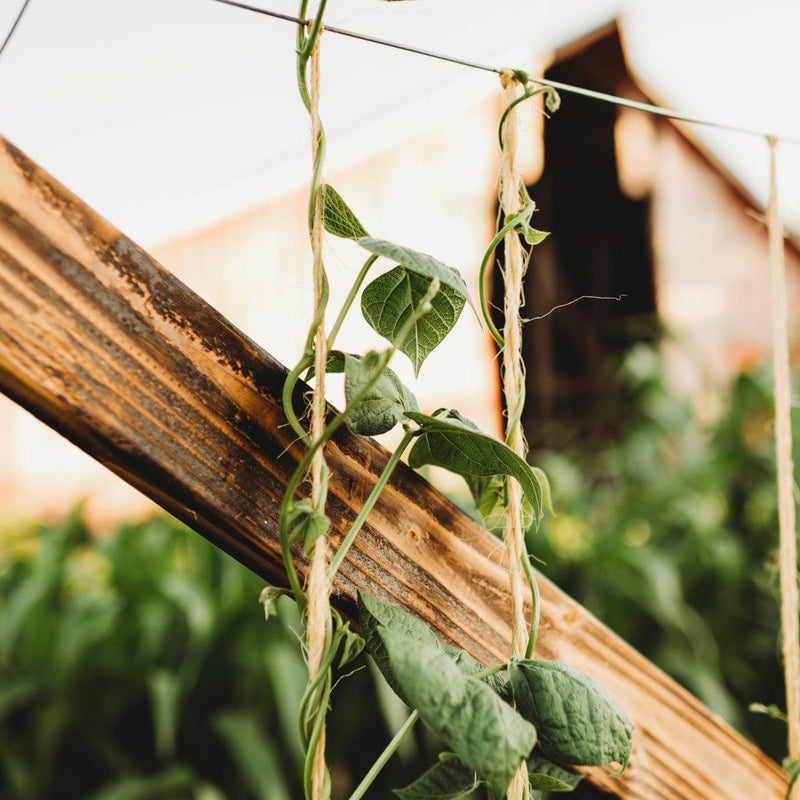
Like many other half-runner beans, trellising is optional with this variety. Plants will wander a bit if left unsupported, so those looking to reduce the amount of back bending may wish to provide a fence, teepee or other structure to aid with harvest. Plants mature approximately 55 days after sowing. Possible synonyms: Old Dutch Half-Runner, White Half-Runner. Each packet contains a minimum of 50 seeds.
Phaseolus vulgaris
Mountaineer is an heirloom half-runner green bean that produces good yields of stout, 4-inch beans on sprawling semi-runner type plants that reach up to 36 inches in length. The fat rounded green beans are stringless when harvested at an early stage, with an excellent, old-fashioned flavor that is often lacking in newer stringless varieties. If left on the plant, pods will eventually develop prominent strings as their plump, white seeds begin to swell, ... read more
Phaseolus vulgaris
Mountaineer is an heirloom half-runner green bean that produces good yields of stout, 4-inch beans on sprawling semi-runner type plants that reach up to 36 inches in length. The fat rounded green beans are stringless when harvested at an early stage, with an excellent, old-fashioned flavor that is often lacking in newer stringless varieties. If left on the plant, pods will eventually develop prominent strings as their plump, white seeds begin to swell, but they are still suitable at this stage for destringing and serving as shelly beans or for drying down to put by for winter.
The Mountaineer Half Runner Bean has somewhat of an elusive past, but the most credible reports have it as a descendant of a West Virginia heirloom known originally as Dunkle's Half Runner. Certainly, historical documents of the day list various white half runner beans as being popular among German descendants living throughout West Virginia and other parts of Appalachia. Sometime after the variety was collected, it was reportedly selected for resistance to mosaic virus and re-released in 1957 under the name Mountaineer.
Like many other half-runner beans, trellising is optional with this variety. Plants will wander a bit if left unsupported, so those looking to reduce the amount of back bending may wish to provide a fence, teepee or other structure to aid with harvest. Plants mature approximately 55 days after sowing. Possible synonyms: Old Dutch Half-Runner, White Half-Runner. Each packet contains a minimum of 50 seeds.