We ship to the United States, its territories and outlying islands. Returns are accepted within 30 days of receipt. Full warranty information can be found here.

Free Shipping on Orders $35+
✓ Plant with Confidence—Guaranteed Through 2027
Get it between -
We ship to the United States, its territories and outlying islands. Returns are accepted within 30 days of receipt. Full warranty information can be found here.
We guarantee our seed to be fresh, vigorous, untreated, and true to variety.
Each packet is guaranteed through the year printed on the packet, plus one full additional growing year.
If your seeds fail to germinate, arrive damaged, or do not grow true to type, please contact us and we will make it right through replacement seed, store credit, or refund when appropriate.
Full warranty policy here.
Open-pollinated varieties, perfect for seed saving.
Safe seeds, free of neonics and other treatments.
It's simple. If you have a problem, we make it right.
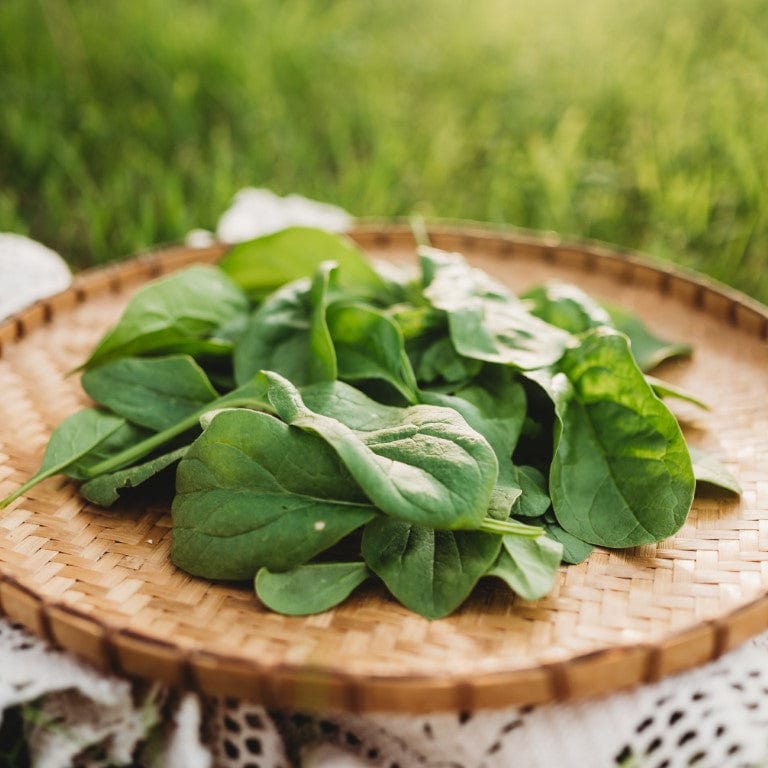
Spinacia oleracea
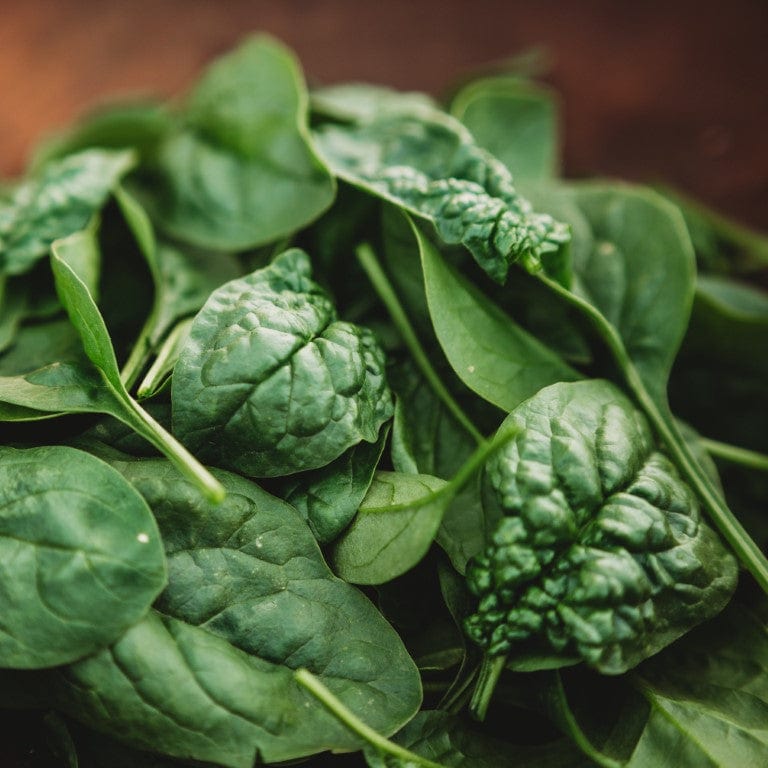
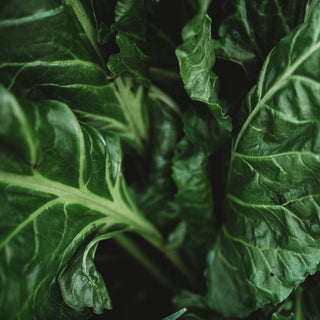
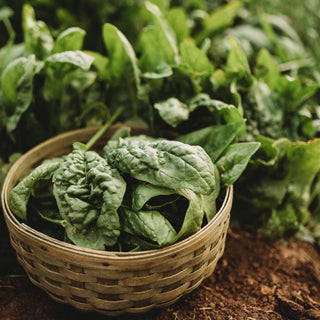
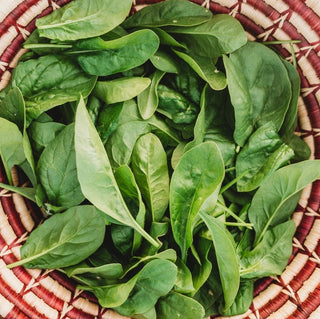
Monstrueux de Viroflay is a French heirloom prized for its giant tender leaves and delicious gourmet flavor. Viroflay spinach performs exceptionally well in the early spring and fall—we’ve even had good luck tossing seeds out in the spring just before a snowfall. Its large, dark green leaves reach up to 24 inches in length and have a smooth, buttery texture. Our absolute favorite spinach for wilting, in butter of course. Even our little ones go crazy over it. Harvests begin 40 to 50 days after sowing. Each packet contains a minimum of 250 seeds.
Spinacia oleracea
Monstrueux de Viroflay is a French heirloom prized for its giant tender leaves and delicious gourmet flavor. Viroflay spinach performs exceptionally well in the early spring and fall—we’ve even had good luck tossing seeds out in the spring just before a snowfall. Its large, dark green leaves reach up to 24 inches in length and have a smooth, buttery texture. Our absolute favorite spinach for wilting, in butter of course. Even our little ones go crazy over... read more
Spinacia oleracea
Monstrueux de Viroflay is a French heirloom prized for its giant tender leaves and delicious gourmet flavor. Viroflay spinach performs exceptionally well in the early spring and fall—we’ve even had good luck tossing seeds out in the spring just before a snowfall. Its large, dark green leaves reach up to 24 inches in length and have a smooth, buttery texture. Our absolute favorite spinach for wilting, in butter of course. Even our little ones go crazy over it. Harvests begin 40 to 50 days after sowing. Each packet contains a minimum of 250 seeds.
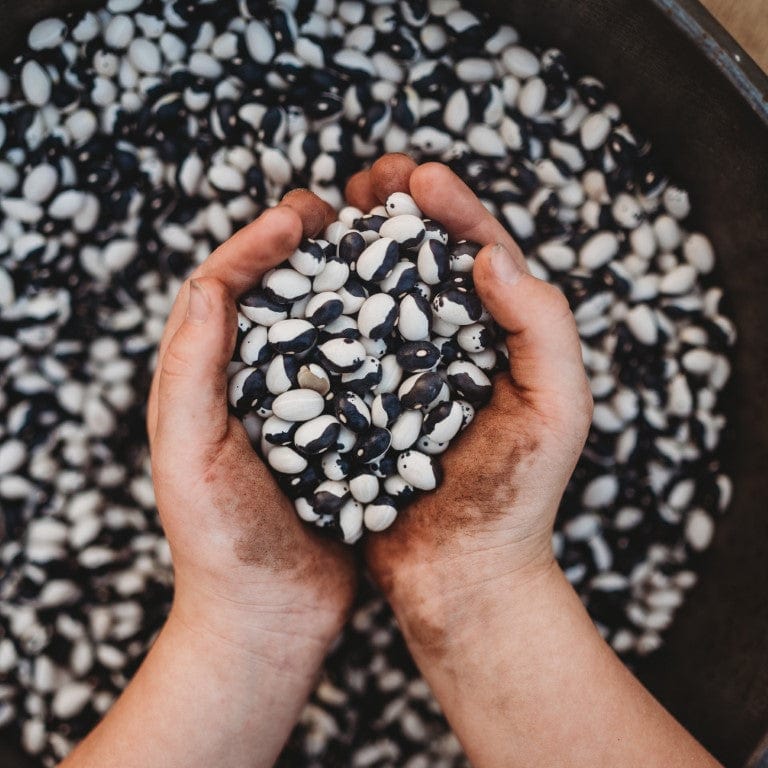
A handful of seeds you've saved yourself is worth more than a bucketful bought in a store—because those seeds carry a season’s worth of hard-earned experience. That’s why our growing guides go beyond planting advice to include comprehensive seed-saving instructions. Because ultimately, there is no more valuable a commodity than earned knowledge.
Spinach requires fertile, well-draining soil with a pH range of 6.0-7.5 and at least 6 hours of direct sunlight per day. It grows best in soils rich in organic matter and high in nitrogen, phosphorus, and potassium. Spinach is a cool-season crop and prefers soil temperatures between 50-70°F for optimal growth. It requires consistent moisture but should not be overwatered to avoid root rot. The soil should be kept moist, but not waterlogged, and mulching can help conserve moisture and suppress weeds. Spinach can also be grown in partial shade, especially in hot climates, to protect it from excessive heat.
As soon as soil can be worked, sow seeds 1" apart, 1/2" deep in rows 12-18" apart. Under ideal conditions, germination will occur in 7-14 days. Thin to one plant every 6-8". A second sowing can be made in the fall, however it is best to wait until temps have cooled a bit as spinach will not germinate in hot soil.
Not recommended. Spinach tends to bolt prematurely when started indoors.
Insect Pests
While generally a healthy plant, spinach is vulnerable to several insect pests, including aphids, leaf miners, spider mites, and cutworms. Crop rotation and tillage (or removing plant debris after harvest) can also be effective strategies to minimize the impact of insect pests on spinach crops.
Diseases & Other Problems
The most common issue affecting spinach is heat, which can cause the plants to bolt prematurely. Be sure to plant spinach in early spring or fall so that the plants can have ample time to mature during cool weather. If planting in fall, wait until daytime temperatures reach 70-80 degrees as spinach germinates poorly in hot soil.
Spinach should be harvested when leaves are large enough for use but before they become tough or start to bolt. To harvest, cut off the outer leaves of the plant, leaving the center leaves intact for future growth. After harvesting, spinach should be rinsed in cold water to remove dirt and debris. Spinach can be stored in the refrigerator for up to a week by placing it in a plastic bag with a damp paper towel to help maintain moisture. Alternatively, spinach can be blanched and frozen for longer storage. To blanch, briefly cook the spinach in boiling water, then immediately place in ice water to stop the cooking process. Drain and freeze in airtight containers.
CONSIDERATIONS:
Spinach is an outbreeding plant with male and female floral organs being borne on separate plants. The pollen is very light and is carried great distances by wind, so producing seed for multiple varieties is usually not an option for the average gardener. Furthermore, the pollen is small enough to fit through mesh screens. To save seed from multiple varieties, grow a single one each year, rotating varieties annually to keep the seed stocks fresh.
HARVESTING SEED:
To harvest seeds, allow the plants to fully mature. Pull female plants and lay flat in a well-ventilated, shaded area to finish drying. With gloved hands, rub the seed stalks to release the seeds. Winnow to remove any debris and store in an airtight container.
SEED LONGETIVITY:
Spinach seeds will retain 50% viability for five years when stored under ideal conditions
Seed did not germinate
Sign up to get the latest on sales, new releases, and more...