We ship to the United States, its territories and outlying islands. Returns are accepted within 30 days of receipt. Full warranty information can be found here.






✓ Plant with Confidence—Guaranteed Through 2027
 Get it between -
Open-pollinated varieties, perfect for seed saving.
Safe seeds, free of neonics and other treatments.
It's simple. If you have a problem, we make it right.

Ocimum basilicum
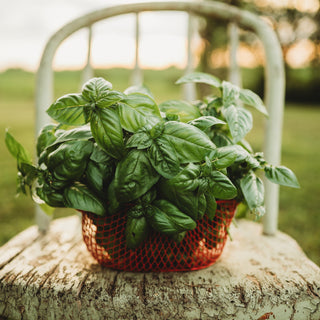
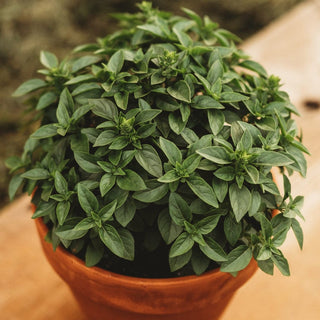
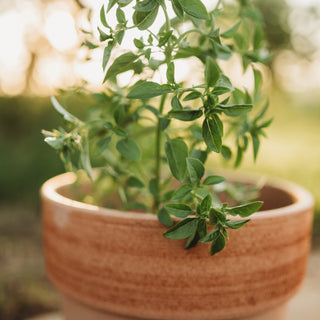
Of all the scented basils we grew this year, Lime Basil was among the most memorable. Its bright, refreshing fragrance is remarkably true to its name, smelling distinctly of fresh lime with just a hint of traditional basil sweetness. Crush a leaf between your fingers, and the citrus aroma is unmistakable. Honestly, if someone could bottle this fragrance into a hand soap, I'd be stocking up! Until then, I'll settle for a bundle of Lime Basil in a vase on the kitchen windowsill.
Lime Basil's remarkable fragrance is more than a fanciful comparison. Researchers have identified high concentrations of citral—the same aromatic compound mixture responsible for much of the citrus character of many plants... More
Ocimum basilicum
Of all the scented basils we grew this year, Lime Basil was among the most memorable. Its bright, refreshing fragrance is remarkably true to its name, smelling distinctly of fresh lime with just a hint of traditional basil sweetness. Crush a leaf between your fingers, and the citrus aroma is unmistakable. Honestly, if someone could bottle this fragrance into a hand soap, I'd be stocking up! Until then, I'll settle for a bundle of Lime Basil in a vase on the kitchen windowsill.
Lime Basil's remarkable fragrance is more than a fanciful comparison. Researchers have identified high concentrations of citral—the same aromatic compound mixture responsible for much of the citrus character of many plants—in lime-scented basil. A touch of linalool contributes sweet, floral notes, creating a fragrance that is both distinctly citrusy and unmistakably basil. Like other culinary basils, it thrives in warm weather and benefits from regular harvesting to encourage fresh, tender growth.
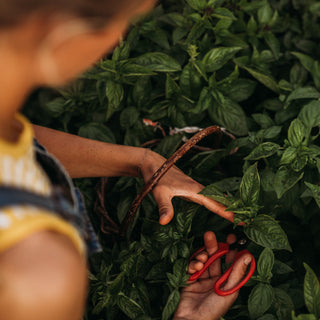
In the kitchen, Lime Basil brings a refreshing citrus note to salads, marinades, seafood, chicken, and Asian-inspired dishes. Try adding freshly chopped leaves to fruit salads, infused water, or homemade dressings. Its delicate flavor is best enjoyed fresh or added near the end of cooking, where its wonderful fragrance can truly shine. Harvests begin approximately 60 days after sowing. Each packet contains a minimum of 250 seeds.
Ocimum basilicum
Of all the scented basils we grew this year, Lime Basil was among the most memorable. Its bright, refreshing fragrance is remarkably true to its name, smelling distinctly of fresh lime with just a hint of traditional basil sweetness. Crush a leaf between your fingers, and the citrus aroma is unmistakable. Honestly, if someone could bottle this fragrance into a hand soap, I'd be stocking up! Until then, I'll settle for a bundle of Lime Basil in a vase on the... read more
Ocimum basilicum
Of all the scented basils we grew this year, Lime Basil was among the most memorable. Its bright, refreshing fragrance is remarkably true to its name, smelling distinctly of fresh lime with just a hint of traditional basil sweetness. Crush a leaf between your fingers, and the citrus aroma is unmistakable. Honestly, if someone could bottle this fragrance into a hand soap, I'd be stocking up! Until then, I'll settle for a bundle of Lime Basil in a vase on the kitchen windowsill.
Lime Basil's remarkable fragrance is more than a fanciful comparison. Researchers have identified high concentrations of citral—the same aromatic compound mixture responsible for much of the citrus character of many plants—in lime-scented basil. A touch of linalool contributes sweet, floral notes, creating a fragrance that is both distinctly citrusy and unmistakably basil. Like other culinary basils, it thrives in warm weather and benefits from regular harvesting to encourage fresh, tender growth.
In the kitchen, Lime Basil brings a refreshing citrus note to salads, marinades, seafood, chicken, and Asian-inspired dishes. Try adding freshly chopped leaves to fruit salads, infused water, or homemade dressings. Its delicate flavor is best enjoyed fresh or added near the end of cooking, where its wonderful fragrance can truly shine. Harvests begin approximately 60 days after sowing. Each packet contains a minimum of 250 seeds.