We ship to the United States, its territories and outlying islands. Returns are accepted within 30 days of receipt. Full warranty information can be found here.





✓ Plant with Confidence—Guaranteed Through 2027
 Get it between -
Open-pollinated varieties, perfect for seed saving.
Safe seeds, free of neonics and other treatments.
It's simple. If you have a problem, we make it right.
Zea mays
Golden Bantam Improved is, as the name suggests, an improved version of the original Golden Bantam variety first introduced by Burpee in 1902. Plants grow 6 to 7 feet tall and produce 7-inch-long ears that are packed with sweet, golden kernels. Golden Bantam Improved is an easy-to-grow variety with excellent flavor, particularly if the ears are picked at their peak freshness, which occurs about 21 days after pollination. The sweet kernels are well-suited for fresh eating, canning and freezing. We particularly like these old varieties for freezing because you don't end up with a bag half full of water when you thaw them. The residual starch does a great job of soaking up the water, creating a thick, creamy... More
Zea mays
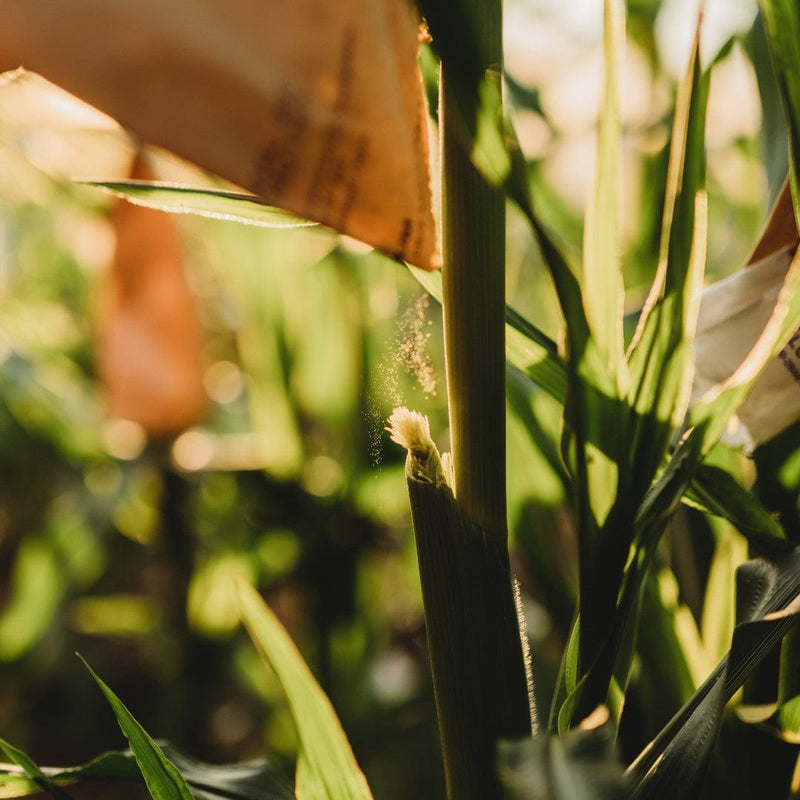
Golden Bantam Improved is, as the name suggests, an improved version of the original Golden Bantam variety first introduced by Burpee in 1902. Plants grow 6 to 7 feet tall and produce 7-inch-long ears that are packed with sweet, golden kernels. Golden Bantam Improved is an easy-to-grow variety with excellent flavor, particularly if the ears are picked at their peak freshness, which occurs about 21 days after pollination. The sweet kernels are well-suited for fresh eating, canning and freezing. We particularly like these old varieties for freezing because you don't end up with a bag half full of water when you thaw them. The residual starch does a great job of soaking up the water, creating a thick, creamy consistency, which just seems right for those middle-of-winter meals. Golden Bantam Improved matures approximately 78 days after sowing. Each packet contains a minimum of 50 seeds.
Zea mays
Golden Bantam Improved is, as the name suggests, an improved version of the original Golden Bantam variety first introduced by Burpee in 1902. Plants grow 6 to 7 feet tall and produce 7-inch-long ears that are packed with sweet, golden kernels. Golden Bantam Improved is an easy-to-grow variety with excellent flavor, particularly if the ears are picked at their peak freshness, which occurs about 21 days after pollination. The sweet kernels are well-suited for fre... read more
Zea mays
Golden Bantam Improved is, as the name suggests, an improved version of the original Golden Bantam variety first introduced by Burpee in 1902. Plants grow 6 to 7 feet tall and produce 7-inch-long ears that are packed with sweet, golden kernels. Golden Bantam Improved is an easy-to-grow variety with excellent flavor, particularly if the ears are picked at their peak freshness, which occurs about 21 days after pollination. The sweet kernels are well-suited for fresh eating, canning and freezing. We particularly like these old varieties for freezing because you don't end up with a bag half full of water when you thaw them. The residual starch does a great job of soaking up the water, creating a thick, creamy consistency, which just seems right for those middle-of-winter meals. Golden Bantam Improved matures approximately 78 days after sowing. Each packet contains a minimum of 50 seeds.