We ship to the United States, its territories and outlying islands. Returns are accepted within 30 days of receipt. Full warranty information can be found here.






✓ Plant with Confidence—Guaranteed Through 2027
 Get it between -
Open-pollinated varieties, perfect for seed saving.
Safe seeds, free of neonics and other treatments.
It's simple. If you have a problem, we make it right.

Zea mays
Eastern Sunburst is an open-pollinated variety of popcorn that produces 6 to 7-inch-long ears filled with glossy, pointed kernels. Bred by the Eastern States Farmers' Exchange in West Springfield, Massachusetts and released in 1957, Easter Sunburst was created from a cross between two yellow pearl popcorn varieties. Interestingly, the resulting line produced a rice-type kernel with pointed ends, rather than the rounded kernel of its parents. In its day, Eastern Sunburst was touted for its excellent resistance to lodging in the field, a common issue for popcorns. It is also a heavy yielding variety with two to three ears produced by each plant. Overall, a great yellow popcorn for those looking to grow thei... More
Zea mays
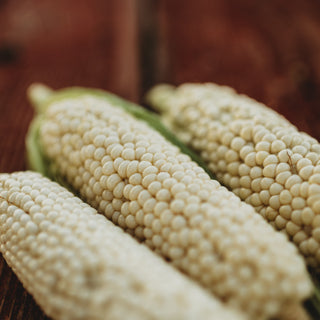
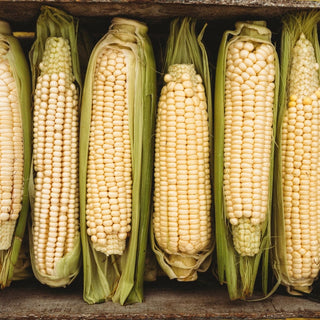
Eastern Sunburst is an open-pollinated variety of popcorn that produces 6 to 7-inch-long ears filled with glossy, pointed kernels. Bred by the Eastern States Farmers' Exchange in West Springfield, Massachusetts and released in 1957, Easter Sunburst was created from a cross between two yellow pearl popcorn varieties. Interestingly, the resulting line produced a rice-type kernel with pointed ends, rather than the rounded kernel of its parents. In its day, Eastern Sunburst was touted for its excellent resistance to lodging in the field, a common issue for popcorns. It is also a heavy yielding variety with two to three ears produced by each plant. Overall, a great yellow popcorn for those looking to grow their own winter snacks. Matures approximately 90-100 days after sowing. Each packet contains a minimum of 50 seeds.
Zea mays
Eastern Sunburst is an open-pollinated variety of popcorn that produces 6 to 7-inch-long ears filled with glossy, pointed kernels. Bred by the Eastern States Farmers' Exchange in West Springfield, Massachusetts and released in 1957, Easter Sunburst was created from a cross between two yellow pearl popcorn varieties. Interestingly, the resulting line produced a rice-type kernel with pointed ends, rather than the rounded kernel of its parents. In its day, Eastern ... read more
Zea mays
Eastern Sunburst is an open-pollinated variety of popcorn that produces 6 to 7-inch-long ears filled with glossy, pointed kernels. Bred by the Eastern States Farmers' Exchange in West Springfield, Massachusetts and released in 1957, Easter Sunburst was created from a cross between two yellow pearl popcorn varieties. Interestingly, the resulting line produced a rice-type kernel with pointed ends, rather than the rounded kernel of its parents. In its day, Eastern Sunburst was touted for its excellent resistance to lodging in the field, a common issue for popcorns. It is also a heavy yielding variety with two to three ears produced by each plant. Overall, a great yellow popcorn for those looking to grow their own winter snacks. Matures approximately 90-100 days after sowing. Each packet contains a minimum of 50 seeds.