We ship to the United States, its territories and outlying islands. Returns are accepted within 30 days of receipt. Full warranty information can be found here.

Free Shipping on Orders $35+
✓ Plant with Confidence—Guaranteed Through 2027
Get it between -
We ship to the United States, its territories and outlying islands. Returns are accepted within 30 days of receipt. Full warranty information can be found here.
We guarantee our seed to be fresh, vigorous, untreated, and true to variety.
Each packet is guaranteed through the year printed on the packet, plus one full additional growing year.
If your seeds fail to germinate, arrive damaged, or do not grow true to type, please contact us and we will make it right through replacement seed, store credit, or refund when appropriate.
Full warranty policy here.
Open-pollinated varieties, perfect for seed saving.
Safe seeds, free of neonics and other treatments.
It's simple. If you have a problem, we make it right.
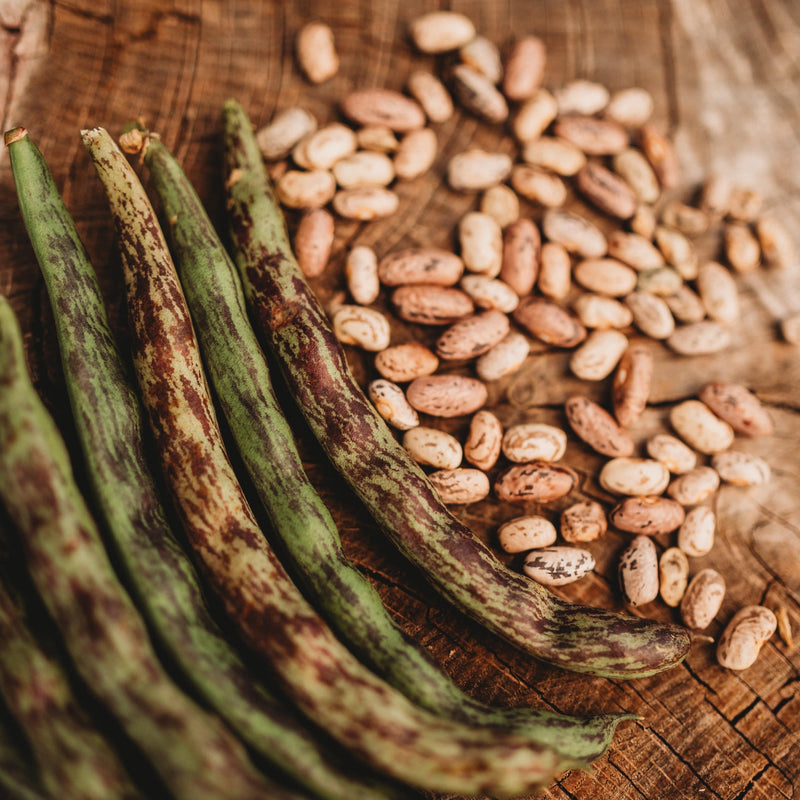
Phaseolus vulgaris
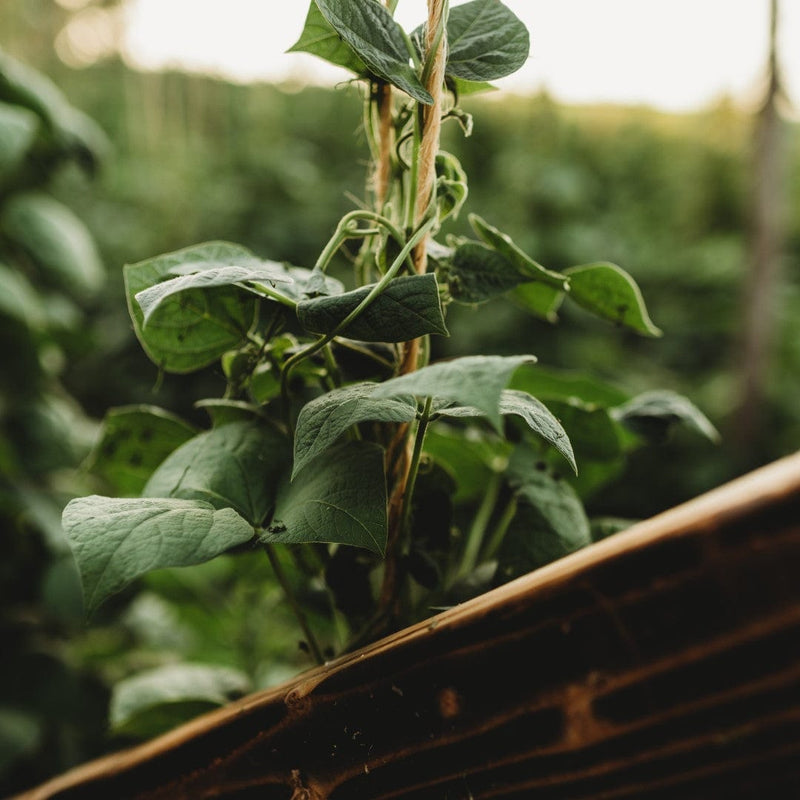
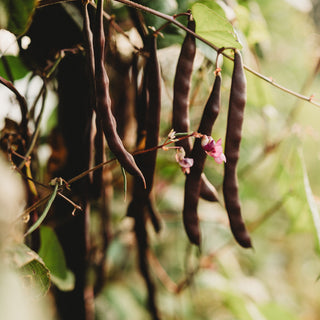
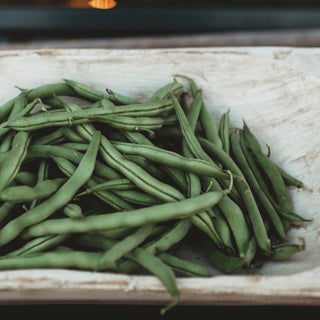
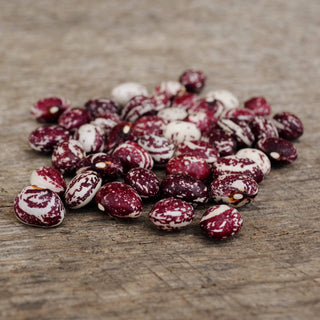
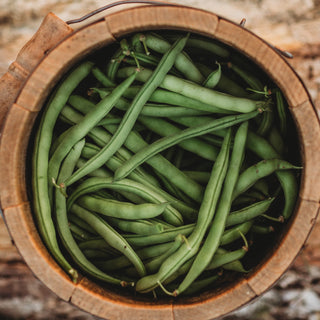
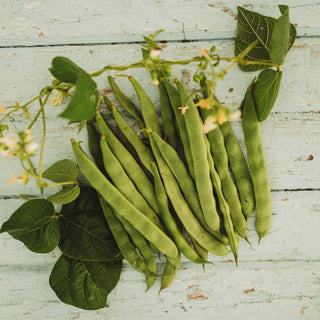
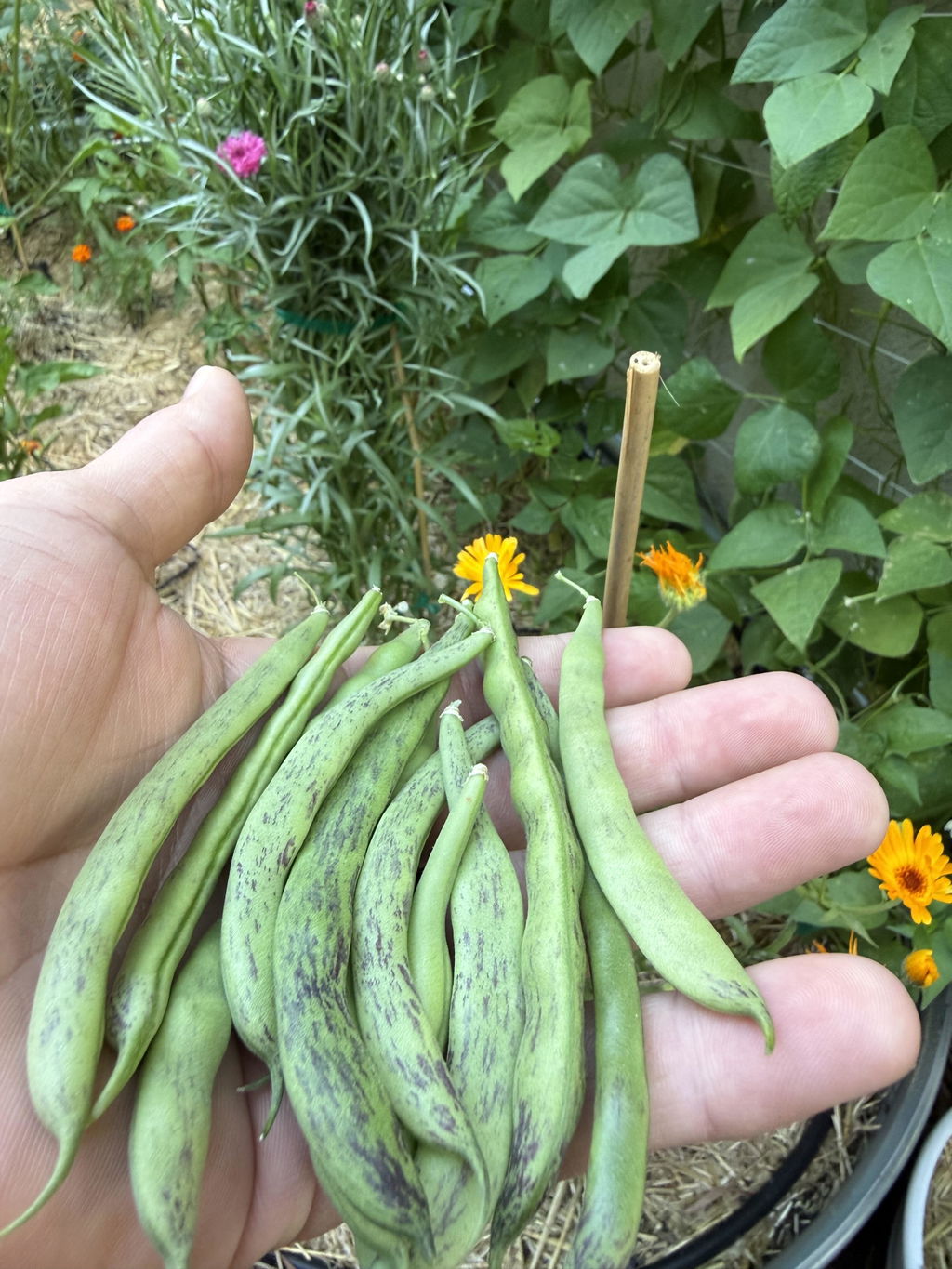
Also known as "Preacher Bean", Rattlesnake is a pole-type variety that produces bountiful and continuous yields of 7-inch-long, purple-flecked beans. Young snap beans are tender and delicious, well-suited for steaming or canning. Beans can also be left to dry on the plant and harvested as a shelling bean. Dry beans resemble a pinto and can be used similarly. Approximately 65 days to harvest. Each packet contains a minimum of 25 seeds.
Phaseolus vulgaris
Also known as "Preacher Bean", Rattlesnake is a pole-type variety that produces bountiful and continuous yields of 7-inch-long, purple-flecked beans. Young snap beans are tender and delicious, well-suited for steaming or canning. Beans can also be left to dry on the plant and harvested as a shelling bean. Dry beans resemble a pinto and can be used similarly. Approximately 65 days to harvest. Each packet contains a minimum of 25 seeds.
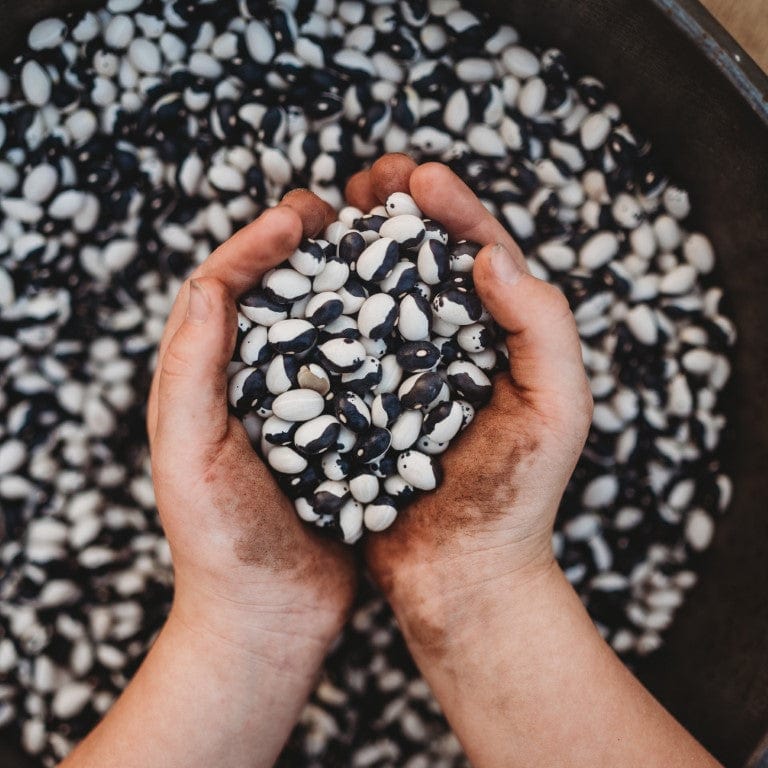
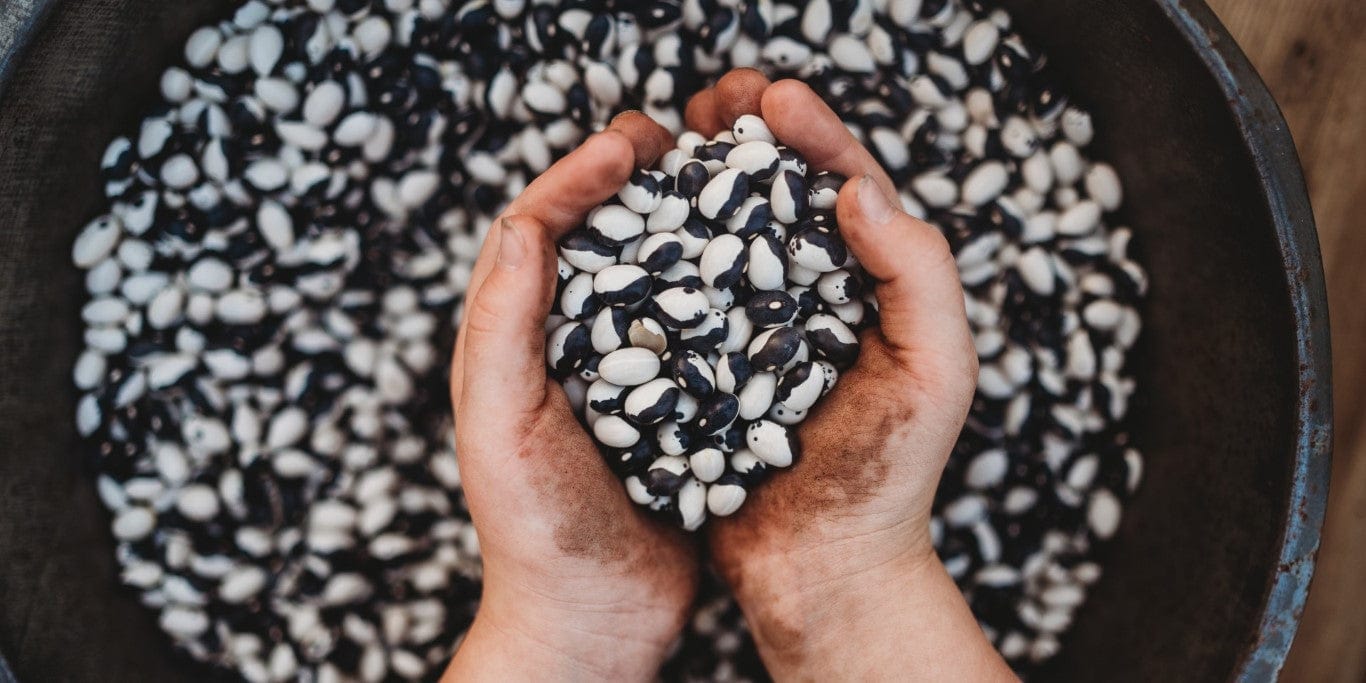
A handful of seeds you've saved yourself is worth more than a bucketful bought in a store—because those seeds carry a season’s worth of hard-earned experience. That’s why our growing guides go beyond planting advice to include comprehensive seed-saving instructions. Because ultimately, there is no more valuable a commodity than earned knowledge.
Beans perform best in well-drained soil of normal fertility. Beans do not require supplemental nitrogen as they are able to fix their own, however a fall application of well-aged manure or compost will help to boost yields in poor soils. Avoid planting beans in low-lying or poor-draining areas as this can predispose seedlings to fungal diseases and damping off.
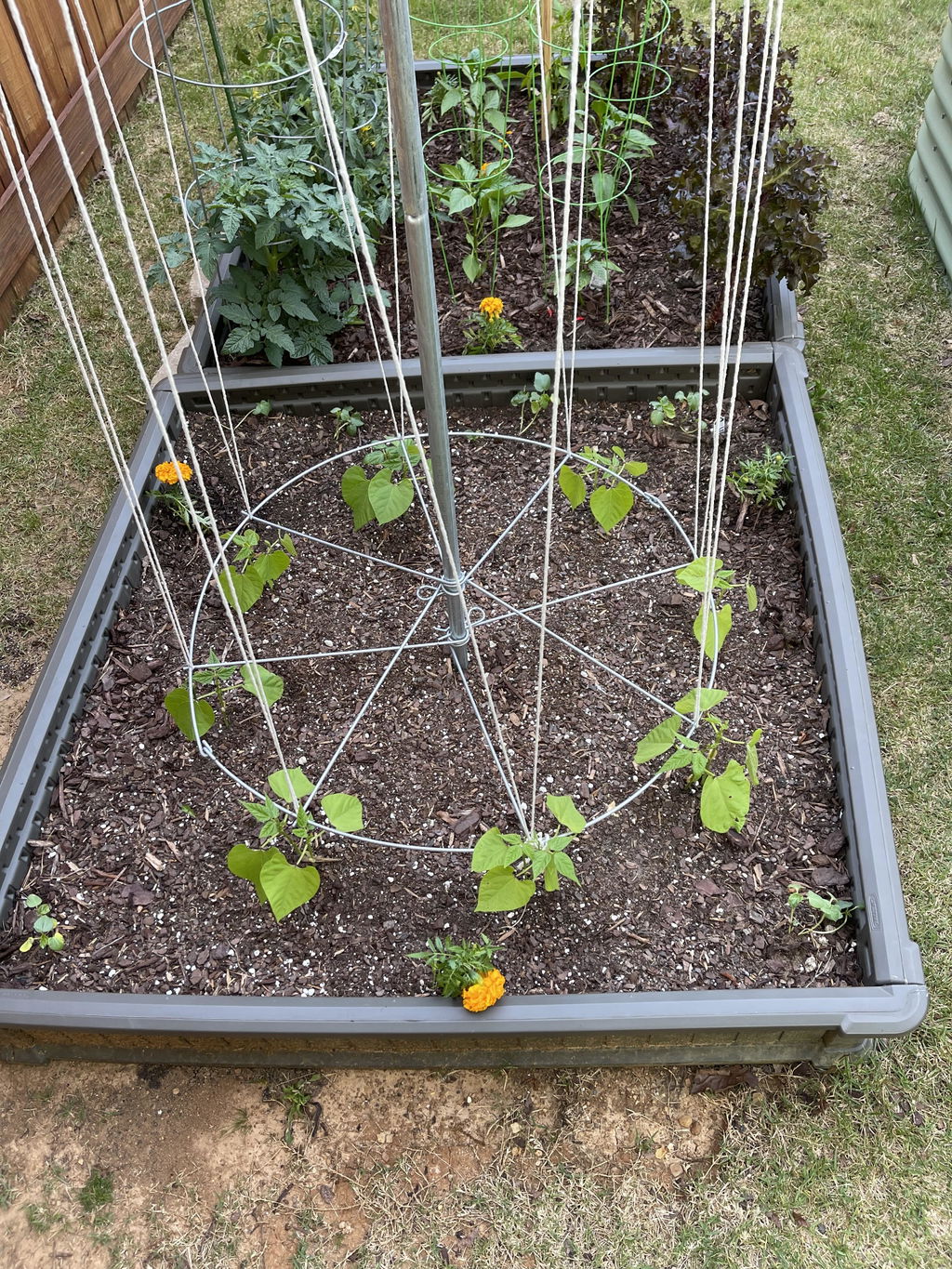
After the danger of frost has passed and daytime soil temps average at least 60 degrees, sow seeds 1" deep, 4-6” apart in rows 36-60" apart. Support plants with posts and twine or tensile wire. Bamboo/wooden tripods or living trellises such as corn may alternatively be used for support. Avoid planting when cool, wet weather is forecast as this can increase the occurrence of fungal diseases and damping off.
Not recommended for beans
Insect Pests
Mexican Bean Beetles and Japanese Beetles can be controlled using a simple homemade insecticidal soap solution. Pheromone-based Japanese Beetle traps can also be effective at minimizing damage to plants. Finally, selection of tolerant cultivars is important in areas with known insect issues.
Diseases & Other Problems
Consult your local extension office to determine which diseases are most common in your area. Site selection is key in keeping bean diseases at bay. Select well-draining sites that do not have a history of disease. Giving plants ample space will allow leaves to dry more quickly and slow the spread of disease. Remove plant debris in the fall and turn over soil to minimize disease carryover. Avoid planting beans in the same location for at least two years. During hot and dry periods, beans may stop flowering or may drop flowers. Pod production will resume once moisture has returned.
Avoid harvesting beans in the morning before the leaves have dried or after a rain as this can spread disease. Timing the harvest is a matter of personal preference. Stringless beans are typically harvested before the seeds reach an appreciable size, while string beans are often harvested once the beans start to bulge in the pods For dry beans, individual pods may be harvested as soon as they have begun to yellow. Alternatively, entire plants may be pulled once a majority of pods have yellowed. Allow pods to dry for about four days before shelling. Once shelled, allow to cure for another week. Place in an airtight container and store in a cool, dark place. Dry beans can be stored for several years under these conditions. If vacuum-sealed with a desiccant bag in the container, they will keep for up to 30 years.
CONSIDERATIONS:
Beans are self-pollinating plants with perfect flowers that contain both male and female floral organs. Pollination typically occurs before the flower has opened, therefore crossing in beans is fairly uncommon. Isolation distances of a few feet are usually sufficient to prevent cross-pollination, so long as plants are not allowed to intermingle.
HARVESTING SEED:
Beans that are being saved for seed are harvested exactly as are dry beans. Mature yellow or brown pods are pulled and allowed to dry completely. The pods can then be "shelled" or opened to release the beans.
SEED LONGETIVITY:
Bean seeds will maintain at least 50% germination for four years when stored under ideal conditions.
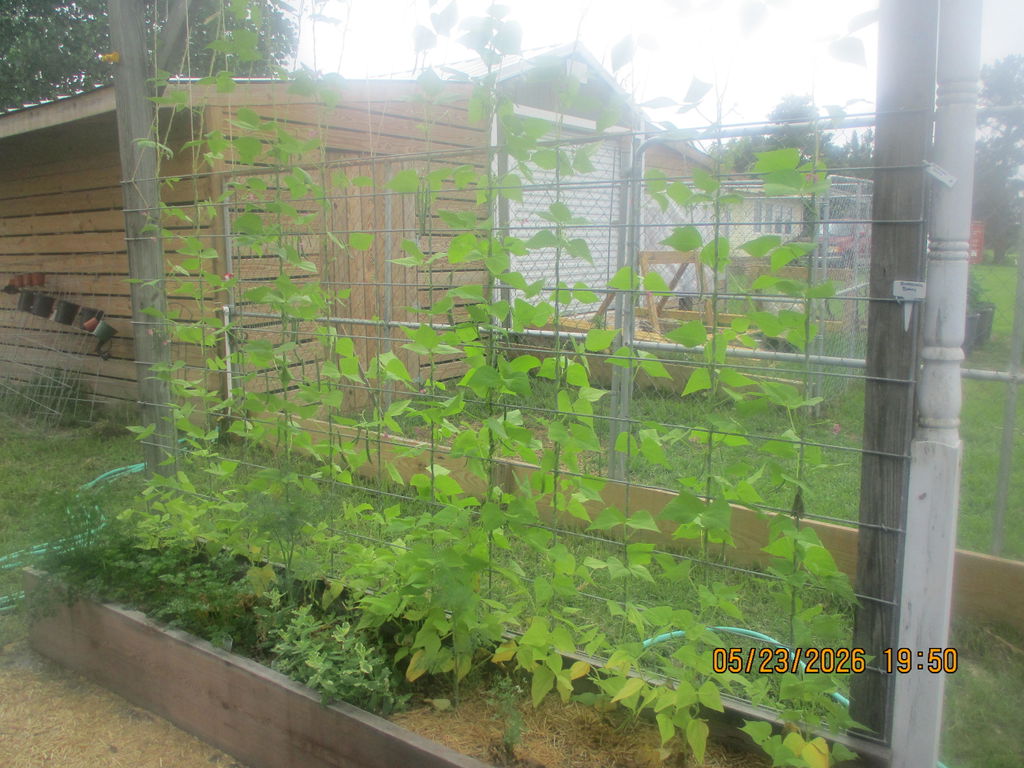
They are about 3 weeks in the ground now and are growing very well. I am always amazed each day to go out and see the progress. Great quality seeds. Can’t wait to start harvesting. One if my favorite varieties of beans.
Threshseed is by far the best company I have found to order my garden seed from. Germination is around 95%. I cannot review the taste of this bean because its not harvested yet but all the seeds that I have bought from Threshseed is off to a great start.
So far- so good
I have had these before, but as of yet, it is too early to plant this year.
One of my favorites! The first tender, young pods of the season get eaten raw in the garden while I am weeding. As the harvest becomes more than can be eaten fresh, sauteed and steamed, the canning, freezing and pickling begins. When I have as many put away as I need the rest of the pods are left on the vines to dry. I pick the dry pods and put them in a basket to be shelled in late fall. The beautiful dry seeds are stored in a jar to be enjoyed in soups, stews and as baked beans.
Sign up to get the latest on sales, new releases, and more...