We ship to the United States, its territories and outlying islands. Returns are accepted within 30 days of receipt. Full warranty information can be found here.

Free Shipping on Orders $35+
✓ Plant with Confidence—Guaranteed Through 2027
Get it between -
We ship to the United States, its territories and outlying islands. Returns are accepted within 30 days of receipt. Full warranty information can be found here.
We guarantee our seed to be fresh, vigorous, untreated, and true to variety.
Each packet is guaranteed through the year printed on the packet, plus one full additional growing year.
If your seeds fail to germinate, arrive damaged, or do not grow true to type, please contact us and we will make it right through replacement seed, store credit, or refund when appropriate.
Full warranty policy here.
Open-pollinated varieties, perfect for seed saving.
Safe seeds, free of neonics and other treatments.
It's simple. If you have a problem, we make it right.
Zea mays
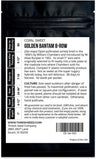
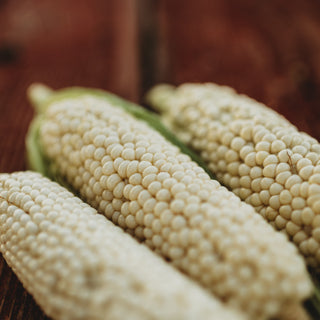
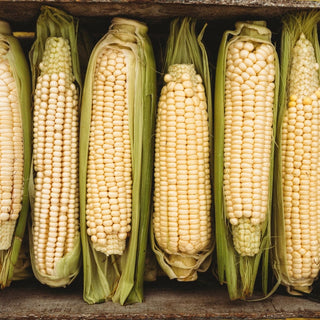
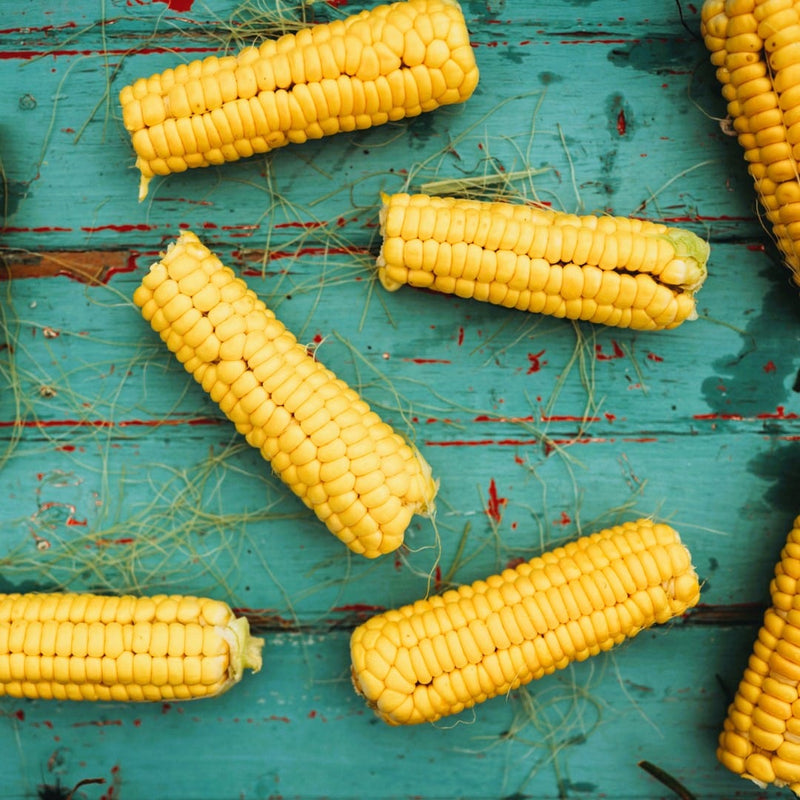
Golden Bantam 8-row is an open-pollinated variety bred in the 1890's by William Chambers and introduced by W. Altee Burpee in 1902. Its small 5-inch ears were originally selected to fit neatly into a side plate at the roadside inns where Chambers sold his produce. Upon introduction by Burpee, Golden Bantam skyrocketed in popularity, earning a place for "sugar" corn on the American dinner table. It remained the most popular variety for nearly 30 years. Compact 5-foot-tall plants consistently produce two ears. Not as sweet as the super sugary hybrids today, but still delicious, especially when harvested at its peak (21 days after pollination). 80 days to harvest. Each packet contains a minimum of 50 seeds... More
Zea mays
Golden Bantam 8-row is an open-pollinated variety bred in the 1890's by William Chambers and introduced by W. Altee Burpee in 1902. Its small 5-inch ears were originally selected to fit neatly into a side plate at the roadside inns where Chambers sold his produce. Upon introduction by Burpee, Golden Bantam skyrocketed in popularity, earning a place for "sugar" corn on the American dinner table. It remained the most popular variety for nearly 30 years. Compact 5-foot-tall plants consistently produce two ears. Not as sweet as the super sugary hybrids today, but still delicious, especially when harvested at its peak (21 days after pollination). 80 days to harvest. Each packet contains a minimum of 50 seeds.
Zea mays
Golden Bantam 8-row is an open-pollinated variety bred in the 1890's by William Chambers and introduced by W. Altee Burpee in 1902. Its small 5-inch ears were originally selected to fit neatly into a side plate at the roadside inns where Chambers sold his produce. Upon introduction by Burpee, Golden Bantam skyrocketed in popularity, earning a place for "sugar" corn on the American dinner table. It remained the most popular variety for nearly 30 years. Compact 5... read more
Zea mays
Golden Bantam 8-row is an open-pollinated variety bred in the 1890's by William Chambers and introduced by W. Altee Burpee in 1902. Its small 5-inch ears were originally selected to fit neatly into a side plate at the roadside inns where Chambers sold his produce. Upon introduction by Burpee, Golden Bantam skyrocketed in popularity, earning a place for "sugar" corn on the American dinner table. It remained the most popular variety for nearly 30 years. Compact 5-foot-tall plants consistently produce two ears. Not as sweet as the super sugary hybrids today, but still delicious, especially when harvested at its peak (21 days after pollination). 80 days to harvest. Each packet contains a minimum of 50 seeds.
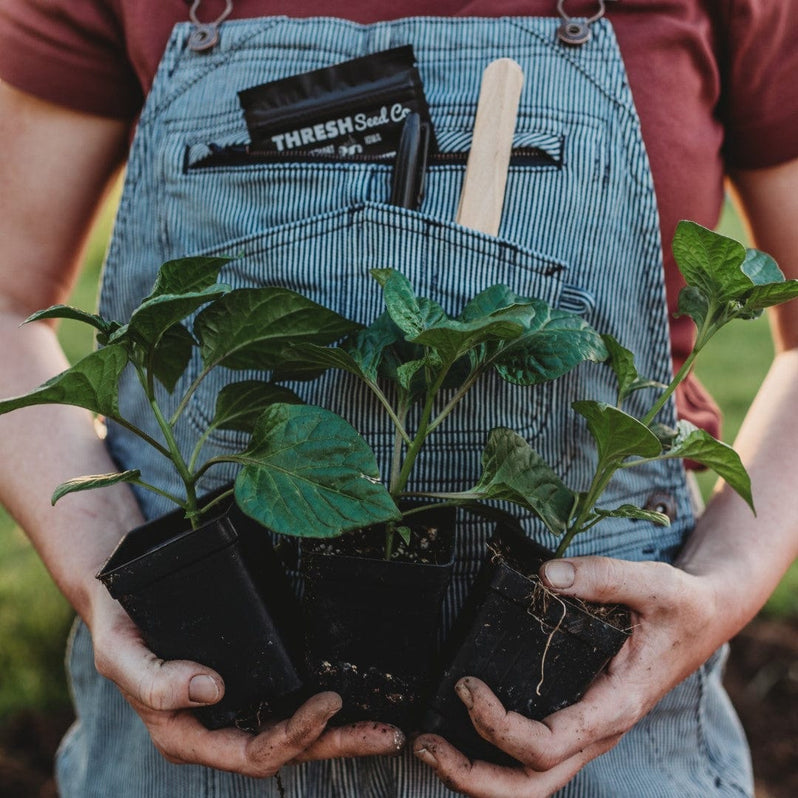
Sweat on your brow, hands in the dirt, and a smile on your face. You aren't afraid of a little hard work, and we're here to ensure that your efforts are rewarded. You can rest assured that our top-quality seeds from dependable, time-tested varieties will have you reaping more than just satisfaction from your hard day's work.
Corn performs best in soil that is well-drained, but also able to hold onto some moisture, as corn tends to use quite a bit of water during its active growth phase. Working in a healthy dose of well-composted manure in the fall will ensure that the rapidly growing plants receive adequate water and nutrition.
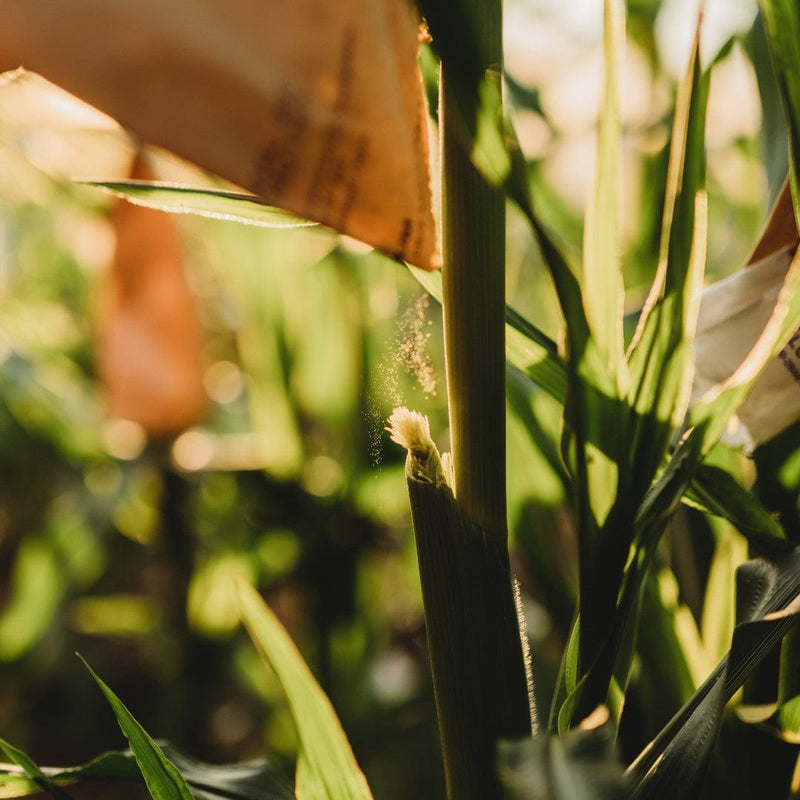
After danger of frost has passed and soil temps have reached 55 degrees, sow seeds 9-12" apart, 1" deep, in rows 24-36" apart. To maximize pollination use a paired row or square plot configuration. Under ideal conditions, germination will occur in 7-10 days.
Not recommended
Insect Pests
Biological controls such as Bacillus thuringiensis can be effecting in controlling common corn pests like corn borer and earworm. Aphids, Japanese beetles, and other hard-shelled insects can be controlled with a simple homemade insecticidal soap solution.
Diseases & Other Problems
Corn is susceptible to a number of plant diseases. Consult your local extension office to learn which diseases are most prevalent in your region. Crop rotation, tillage, and removal of plant debris are all effective tools in managing common corn diseases.
Sweet corn is ready to harvest approximately 21 days after pollination. At peak, the kernel tips should be rounded and glossy. Shelling corn can be harvested once the husks have dried and the kernels have sufficiently hardened. To test for maturity, pull back the husk and remove a kernel from the ear. If the tip at the base of the kernel breaks off to reveal a brown "abscission" layer, the ears are ready to harvest.
CONSIDERATIONS:
To maintain genetic diversity, save seed from at least 50 to 100 plants. If open-pollinated, plants should be isolated from other corn varieties by at least 1/4 mile. Otherwise, hand-pollination can be performed.
HARVESTING SEED:
Wait until ears have reached full maturity and the kernels cannot be pierced by your fingernail. Peel back the husk and harvest the ear by pulling down and twisting. Place in a mesh bag or basket and allow to continue to dry for two weeks. Shell ears using a manual corn shelling tool or tightly grip a gloved hand around the ear and twist to separate the kernels from the cob. Winnow to remove any chaff and store in an airtight container until ready to use.
SEED LONGETIVITY:
Corn seeds will maintain 50% viability for three years when stored in a cool, dark place.
We had no trouble what so ever with this seed unlike the previous 1-star reviews. All the corn came up except for a few plants where the ground was a little too wet. I'm guessing we got a 98% stand and the sweet corn is doing fine so far (mid-August). We also bought over 100+ seeds so I'm guessing the previous reviews had more to do with the growing conditions which have been quite a challenge this year so say the least than bad seed! We're also professional farmers with more than a 100+ years of combined experience so maybe that has something to do with it.
I wouldn't hesitate for a second in buying this seed again.
planted all 50 seeds & 9 came up! My rating is zero !
Hi Joe, thanks for your feedback. I will be in touch about a refund or replacement.
Becky
had a 50 %sprout on 1rst plant and 50%sprout on the replant.i cant give them a 50% star because that is a zero in my book.the company sent the seeds quickly though and the beans did sprout well
Thanks for your feedback, Janet. All of our seed is guaranteed to grow. I will be in contact about a refund or replacement.
Thanks,
Becky
Sign up to get the latest on sales, new releases, and more...