We ship to the United States, its territories and outlying islands. Returns are accepted within 30 days of receipt. Full warranty information can be found here.





✓ Plant with Confidence—Guaranteed Through 2027
 Get it between -
Open-pollinated varieties, perfect for seed saving.
Safe seeds, free of neonics and other treatments.
It's simple. If you have a problem, we make it right.
Glycine max
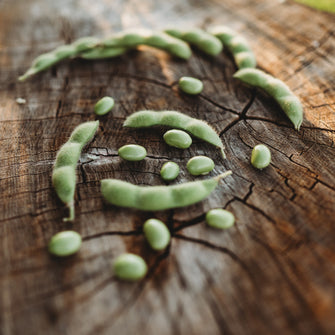
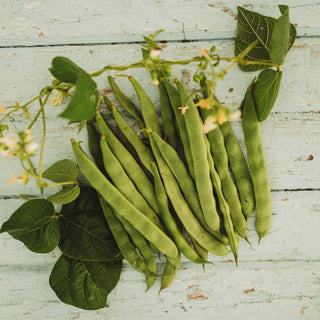
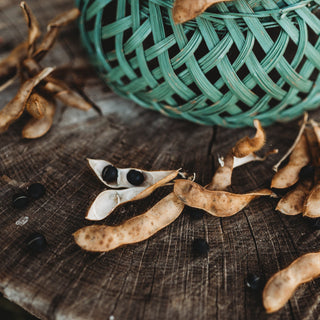
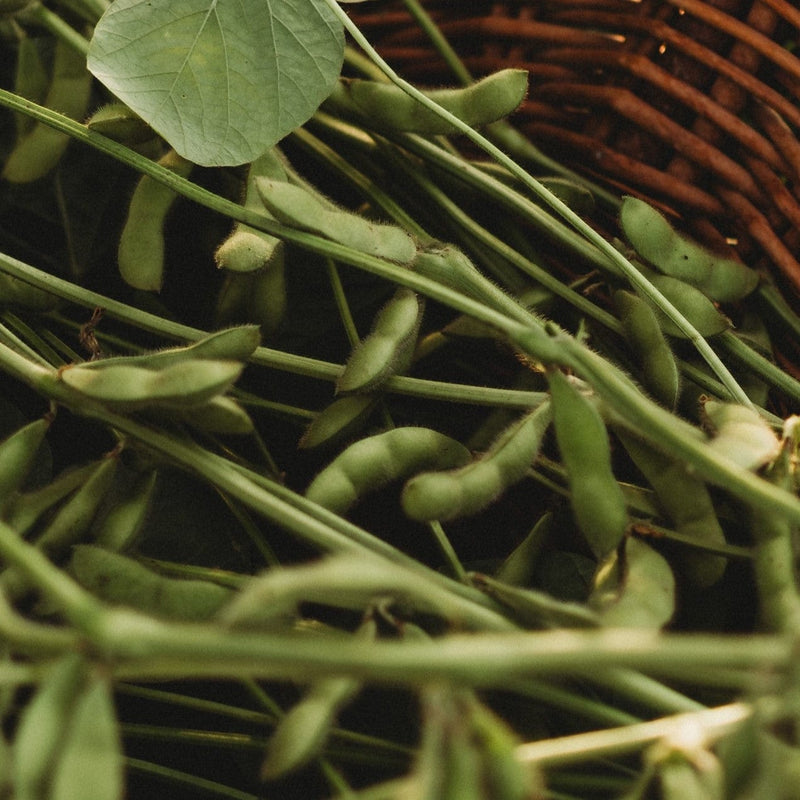
Karikachi No. 3 is a compact, early-maturing vegetable soybean variety valued for its rich flavor, high yields, and dependable performance in cooler climates. Determinate plants reach about 2 to 2.5 feet tall, and produce clusters of three-seeded pods, perfect for harvesting young as fresh edamame. The beans offer a sweet, nutty flavor with a smooth texture that holds up well for fresh eating, freezing, or drying.
An Asian heirloom developed in Japan, Karikachi No. 3 was specifically bred for the cool, short growing seasons of Hokkaido—the northernmost island of Japan. The variety takes its name from Karikachi Pass, a cool, mountainous region known for its challenging agricultural conditions. Thanks ... More
Glycine max
Karikachi No. 3 is a compact, early-maturing vegetable soybean variety valued for its rich flavor, high yields, and dependable performance in cooler climates. Determinate plants reach about 2 to 2.5 feet tall, and produce clusters of three-seeded pods, perfect for harvesting young as fresh edamame. The beans offer a sweet, nutty flavor with a smooth texture that holds up well for fresh eating, freezing, or drying.
An Asian heirloom developed in Japan, Karikachi No. 3 was specifically bred for the cool, short growing seasons of Hokkaido—the northernmost island of Japan. The variety takes its name from Karikachi Pass, a cool, mountainous region known for its challenging agricultural conditions. Thanks to its early maturity and cold tolerance, Karikachi No. 3 has remained a reliable choice for growers in similar climates around the world.
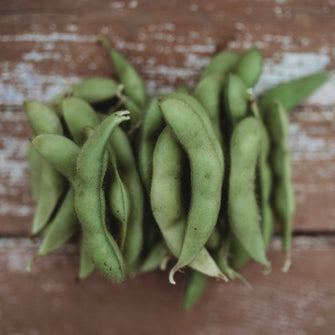
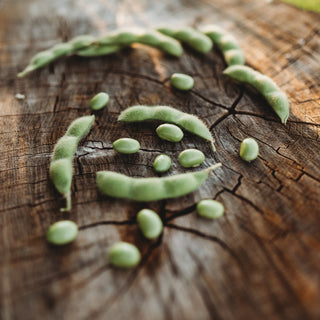
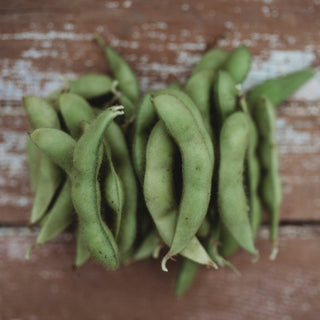
Green soybeans, also called edamame or vegetable soybeans, are typically cooked in their pods, salted and served whole—like peanuts in the shell. And much like peanuts, they can be quite addicting. To prepare them, simply pull immature pods—those that are plump but have yet to turn yellow—and boil in salted water for 6-10 minutes. Strain, dust with coarse salt, and serve. There you have it—a delicious, protein-packed snack!
Karikachi is a determinate variety that matures approximately 85-95 days after sowing. Each packet contains a minimum of 50 seeds.
Notice: We cannot ship soybean or mung bean varieties to Idaho.
Glycine max
Karikachi No. 3 is a compact, early-maturing vegetable soybean variety valued for its rich flavor, high yields, and dependable performance in cooler climates. Determinate plants reach about 2 to 2.5 feet tall, and produce clusters of three-seeded pods, perfect for harvesting young as fresh edamame. The beans offer a sweet, nutty flavor with a smooth texture that holds up well for fresh eating, freezing, or drying.
An Asian heirloom developed in Japan, Kar... read more
Glycine max
Karikachi No. 3 is a compact, early-maturing vegetable soybean variety valued for its rich flavor, high yields, and dependable performance in cooler climates. Determinate plants reach about 2 to 2.5 feet tall, and produce clusters of three-seeded pods, perfect for harvesting young as fresh edamame. The beans offer a sweet, nutty flavor with a smooth texture that holds up well for fresh eating, freezing, or drying.
An Asian heirloom developed in Japan, Karikachi No. 3 was specifically bred for the cool, short growing seasons of Hokkaido—the northernmost island of Japan. The variety takes its name from Karikachi Pass, a cool, mountainous region known for its challenging agricultural conditions. Thanks to its early maturity and cold tolerance, Karikachi No. 3 has remained a reliable choice for growers in similar climates around the world.
Green soybeans, also called edamame or vegetable soybeans, are typically cooked in their pods, salted and served whole—like peanuts in the shell. And much like peanuts, they can be quite addicting. To prepare them, simply pull immature pods—those that are plump but have yet to turn yellow—and boil in salted water for 6-10 minutes. Strain, dust with coarse salt, and serve. There you have it—a delicious, protein-packed snack!
Karikachi is a determinate variety that matures approximately 85-95 days after sowing. Each packet contains a minimum of 50 seeds.
Notice: We cannot ship soybean or mung bean varieties to Idaho.