We ship to the United States, its territories and outlying islands. Returns are accepted within 30 days of receipt. Full warranty information can be found here.






✓ Plant with Confidence—Guaranteed Through 2027
 Get it between -
Open-pollinated varieties, perfect for seed saving.
Safe seeds, free of neonics and other treatments.
It's simple. If you have a problem, we make it right.
Zea mays
If you are looking for an heirloom sweet corn with modern sweet corn quality, look no further. Hayes White is an open-pollinated sweet corn developed by Dr. H.K. Hayes of Minnesota State University in the 1930's. According to Dr. Hayes, seed from a "very tender, white endosperm, open-pollinated variety of unknown origin" was obtained from his brother H.M. Hayes, of Granby, Connecticut who had been growing it for many years. Dr. Hayes continued to select for tenderness by testing with a penetrometer at 20 days after pollination and saving the ears with the most tender kernels. The resulting line required 40% less pressure to puncture the kernels, when compared to Golden Bantam, and was the basis for the bre... More
Zea mays
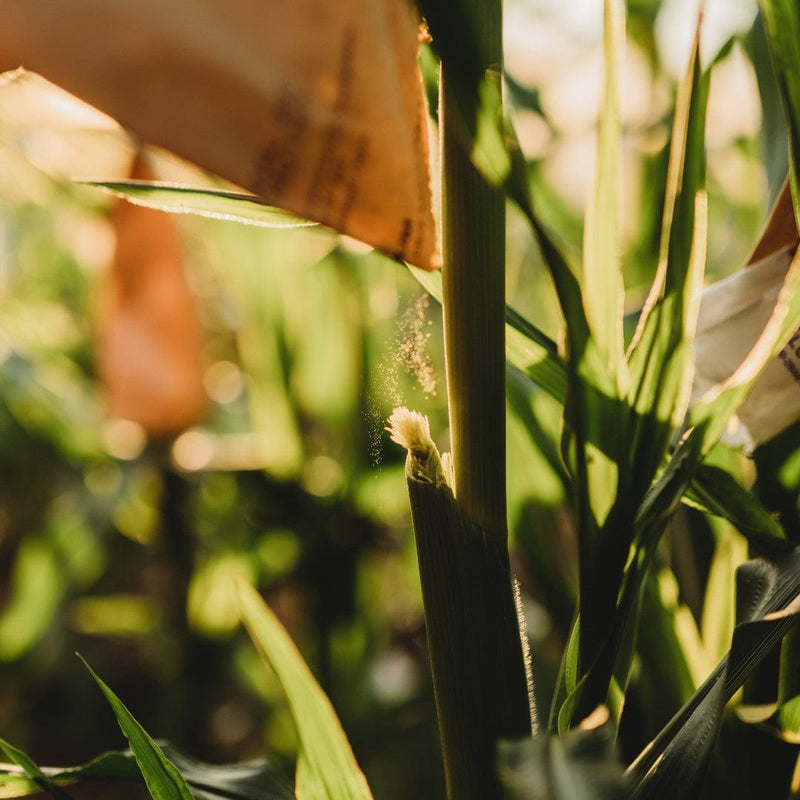
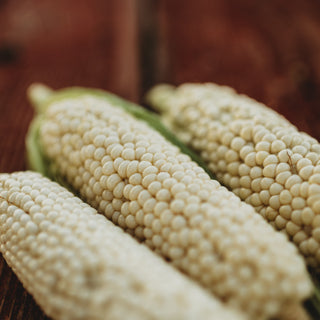
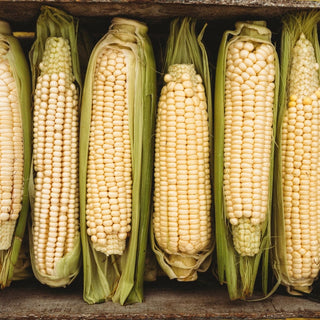
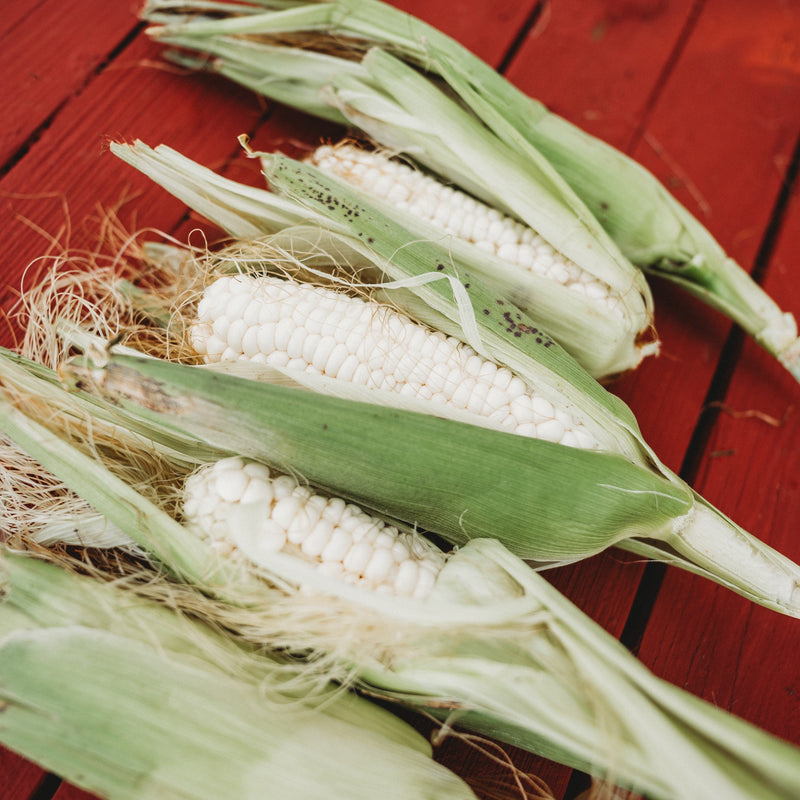
If you are looking for an heirloom sweet corn with modern sweet corn quality, look no further. Hayes White is an open-pollinated sweet corn developed by Dr. H.K. Hayes of Minnesota State University in the 1930's. According to Dr. Hayes, seed from a "very tender, white endosperm, open-pollinated variety of unknown origin" was obtained from his brother H.M. Hayes, of Granby, Connecticut who had been growing it for many years. Dr. Hayes continued to select for tenderness by testing with a penetrometer at 20 days after pollination and saving the ears with the most tender kernels. The resulting line required 40% less pressure to puncture the kernels, when compared to Golden Bantam, and was the basis for the breeding of many subsequent sweet corn varieties, including the famous "Silver Queen" hybrid. Early maturing plants grow just 3-4' tall, making them an excellent choice for small gardens. Plants produce two harvestable ears per plant. 60-75 days to harvest. 50 seeds per packet.
Zea mays
If you are looking for an heirloom sweet corn with modern sweet corn quality, look no further. Hayes White is an open-pollinated sweet corn developed by Dr. H.K. Hayes of Minnesota State University in the 1930's. According to Dr. Hayes, seed from a "very tender, white endosperm, open-pollinated variety of unknown origin" was obtained from his brother H.M. Hayes, of Granby, Connecticut who had been growing it for many years. Dr. Hayes continued to select for tend... read more
Zea mays
If you are looking for an heirloom sweet corn with modern sweet corn quality, look no further. Hayes White is an open-pollinated sweet corn developed by Dr. H.K. Hayes of Minnesota State University in the 1930's. According to Dr. Hayes, seed from a "very tender, white endosperm, open-pollinated variety of unknown origin" was obtained from his brother H.M. Hayes, of Granby, Connecticut who had been growing it for many years. Dr. Hayes continued to select for tenderness by testing with a penetrometer at 20 days after pollination and saving the ears with the most tender kernels. The resulting line required 40% less pressure to puncture the kernels, when compared to Golden Bantam, and was the basis for the breeding of many subsequent sweet corn varieties, including the famous "Silver Queen" hybrid. Early maturing plants grow just 3-4' tall, making them an excellent choice for small gardens. Plants produce two harvestable ears per plant. 60-75 days to harvest. 50 seeds per packet.