Free Shipping on Orders $35+

Login
Amazon American Express Apple Pay Diners Club Discover Google Pay Mastercard PayPal Shop Pay Venmo Visa
Non-GMO
Supports Family Farms
Seed Saver Approved

Ancho Gigantea Poblano Pepper

Quick Facts:

  • Classic poblano and ancho pepper
  • Classic poblano and ancho pepper
  • Mild heat with rich, earthy flavor
  • Excellent for stuffing, roasting & drying
  • 95 days from transplant

View full description

✓ Plant with Confidence—Guaranteed Through 2027

Quantity: Packet (25 Seeds)

shipping estimated time of arrival Get it between -

We ship to the United States, its territories and outlying islands. Returns are accepted within 30 days of receipt. Full warranty information can be found here.

We guarantee our seed to be fresh, vigorous, untreated, and true to variety.

Each packet is guaranteed through the year printed on the packet, plus one full additional growing year.

If your seeds fail to germinate, arrive damaged, or do not grow true to type, please contact us and we will make it right through replacement seed, store credit, or refund when appropriate.

Full warranty policy here.

Poblano Ancho Gigantea Chile Pepper

More about Poblano Ancho Gigantea

Capsicum annuum

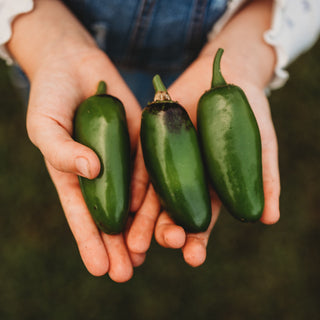
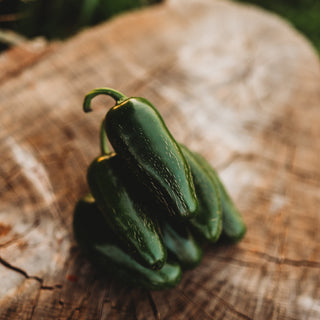
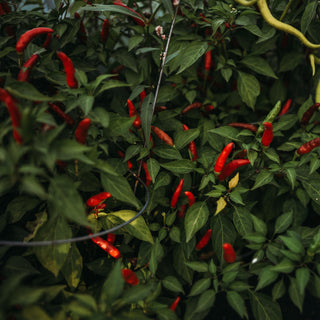
Ancho Gigantea is a classic poblano pepper prized for its large, dark green fruits and rich, mildly spicy flavor. The broad, thick-walled peppers have roomy interiors that make them especially well suited to stuffing and roasting.

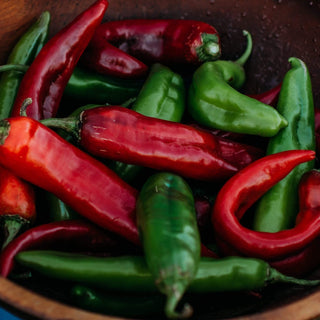
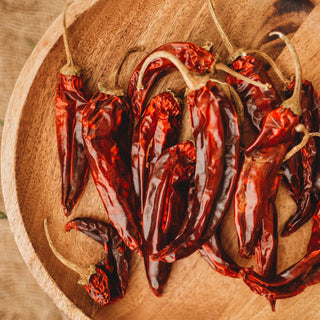
Fresh peppers are known as poblanos, while fully ripened and dried fruits are called ancho peppers. Drying deepens their flavor, bringing out the earthy, slightly sweet character that makes ancho chiles an important ingredient in Mexican sauces, moles, marinades, and spice blends.

Highly branched plants produce generous harvests under a wide range of growing conditions. Fruits may be picked green for fresh use or allowed to mature fully before drying. Matures app... More

Less

Capsicum annuum

Ancho Gigantea is a classic poblano pepper prized for its large, dark green fruits and rich, mildly spicy flavor. The broad, thick-walled peppers have roomy interiors that make them especially well suited to stuffing and roasting.

Fresh peppers are known as poblanos, while fully ripened and dried fruits are called ancho peppers. Drying deepens their flavor, bringing out the earthy, slightly sweet character that makes ancho chiles an important ingredient in Mexican sauces, moles, marinades, and spice blends.

Highly branched plants produce generous harvests under a wide range of growing conditions. Fruits may be picked green for fresh use or allowed to mature fully before drying. Matures approximately 95 days after transplanting.  Each packet contains a minimum of 25 seeds.
Capsicum annuum

Ancho Gigantea is a classic poblano pepper prized for its large, dark green fruits and rich, mildly spicy flavor. The broad, thick-walled peppers have roomy interiors that make them especially well suited to stuffing and roasting.

Fresh peppers are known as poblanos, while fully ripened and dried fruits are called ancho peppers. Drying deepens their flavor, bringing out the earthy, slightly sweet character that makes ancho chiles an important ingredie... read more

read less

Capsicum annuum

Ancho Gigantea is a classic poblano pepper prized for its large, dark green fruits and rich, mildly spicy flavor. The broad, thick-walled peppers have roomy interiors that make them especially well suited to stuffing and roasting.

Fresh peppers are known as poblanos, while fully ripened and dried fruits are called ancho peppers. Drying deepens their flavor, bringing out the earthy, slightly sweet character that makes ancho chiles an important ingredient in Mexican sauces, moles, marinades, and spice blends.

Highly branched plants produce generous harvests under a wide range of growing conditions. Fruits may be picked green for fresh use or allowed to mature fully before drying. Matures approximately 95 days after transplanting.  Each packet contains a minimum of 25 seeds.
Boy holding slice of watermelon
Kids eating watermelon

How to Grow Chile Peppers

Peppers perform best in well-drained soil that contains plenty of organic matter and adequate phosphorous and calcium. Mulching plants with poly, paper, or natural materials will ensure consistent moisture throughout the root zone.

For earliest harvest, start seeds indoors 6-8 weeks before the last frost. Sow seeds 1/4" deep in well moistened, sterile seed-starting mix. The ideal soil temperature for C. annuum germination is 85 degrees. For best results, place a grower's heat mat beneath trays until germination has occurred. Under ideal conditions, germination should occur in 10-14 days. Super hot chiles can take up to a month to germinate. Be sure to keep the soil moist, but not soggy, until germination has occurred. Placing a plastic dome over the trays will eliminate a need for frequent watering during the germination period.

After danger of frost has passed, set transplants 18-24" apart in rows 24-36" apart. Ensure that plants receive 1-2" of water per week. Avoid over-application of nitrogen as this can cause vegetative growth at the expense of fruit set.

Insect Pests

Biological controls such as Bacillus thuringiensis can be effective in controlling climbing cutworms. Aphids, flea beetles, and other hard-shelled insects can be controlled with an insecticidal soap solution.

Diseases & Other Problems

To prevent common pepper diseases like Phytopthora and bacterial spot, avoid watering plants at night or on cool, cloudy days. Excess nitrogen and/or insufficient phosphorous can cause pepper plants to become bushy and produce few blossoms.

Peppers can be harvested at any time but should be picked before they become soft or overly mature. Harvesting regularly will encourage further fruit set. Peppers can be stored in the refrigerator for 4 to 5 days. Alternatively, they can be dried by hanging them or placing them on a screen or basket in a warm, well-ventilated location until completely dry.

CONSIDERATIONS:

Select disease-free plants that are true-to-type. Pepper plants are prone to cross pollination by bees, so precautions should be taken to prevent pollination by insects. Covering plants with mosquito netting is an effective method to protect against pollen contamination.

HARVESTING SEED:

Harvest mature, disease-free fruit that have developed their final color. Cut open fruit and use a gloved hand to remove the seed. Dry on a coffee filter or paper towel. Store in an airtight container until ready to use.

Note: We have noticed that pepper juice can leach through gloves. It is wise to double up if you are processing a large number of peppers or superhot chiles.

SEED LONGETIVITY:

Pepper seeds will remain viable for three years when stored under ideal conditions.

Little boy gardening

Search