We ship to the United States, its territories and outlying islands. Returns are accepted within 30 days of receipt. Full warranty information can be found here.

Free Shipping on Orders $35+
✓ Plant with Confidence—Guaranteed Through 2027
Get it between -
We ship to the United States, its territories and outlying islands. Returns are accepted within 30 days of receipt. Full warranty information can be found here.
We guarantee our seed to be fresh, vigorous, untreated, and true to variety.
Each packet is guaranteed through the year printed on the packet, plus one full additional growing year.
If your seeds fail to germinate, arrive damaged, or do not grow true to type, please contact us and we will make it right through replacement seed, store credit, or refund when appropriate.
Full warranty policy here.
Open-pollinated varieties, perfect for seed saving.
Safe seeds, free of neonics and other treatments.
It's simple. If you have a problem, we make it right.
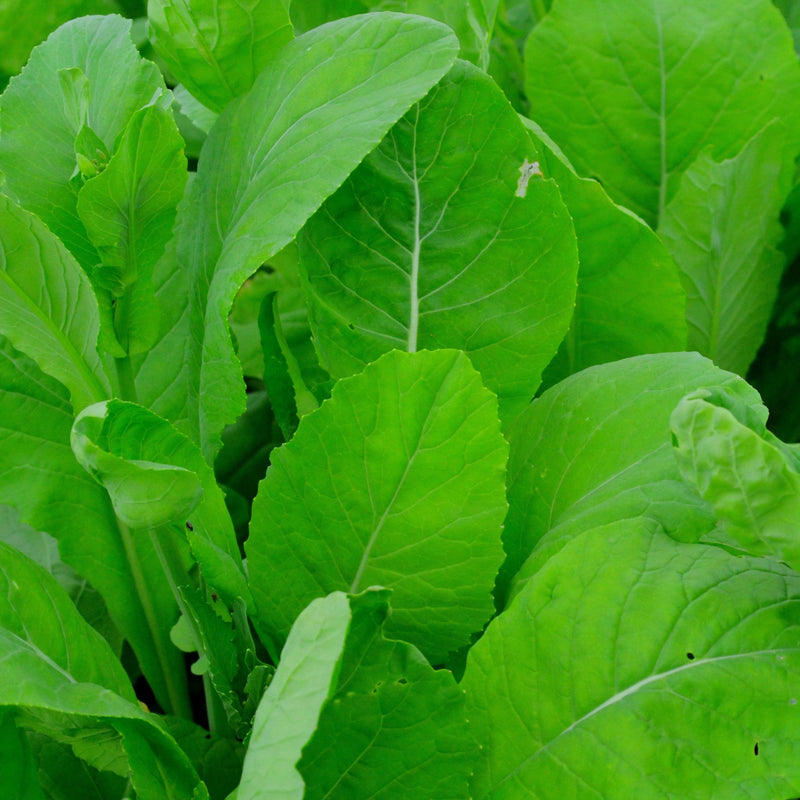
Brassica rapa
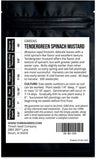
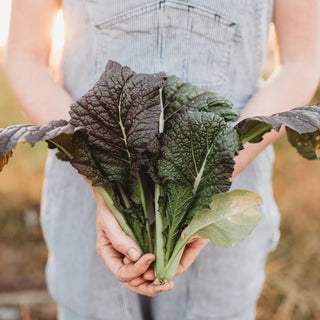
Also known as komatsuna, Tendergreen Mustard Spinach produces smooth, delicate leaves with a mild spinach-like flavor and excellent texture. We love the flavor of spinach, but in certain years it can be a struggle to grow enough of it to suit our needs. Tendergreen mustard offers the flavor and texture of spinach, but with greater yields and easier care. It does bolt slightly earlier than other mustard varieties, so it is best to sow spring plantings early enough that they will mature before the weather gets hot. Successive fall plantings can be made beginning six weeks before first frost. Harvests can be extended into early winter if cold frames are used. Approximately 40 days to harvest. Each pac... More
Brassica rapa
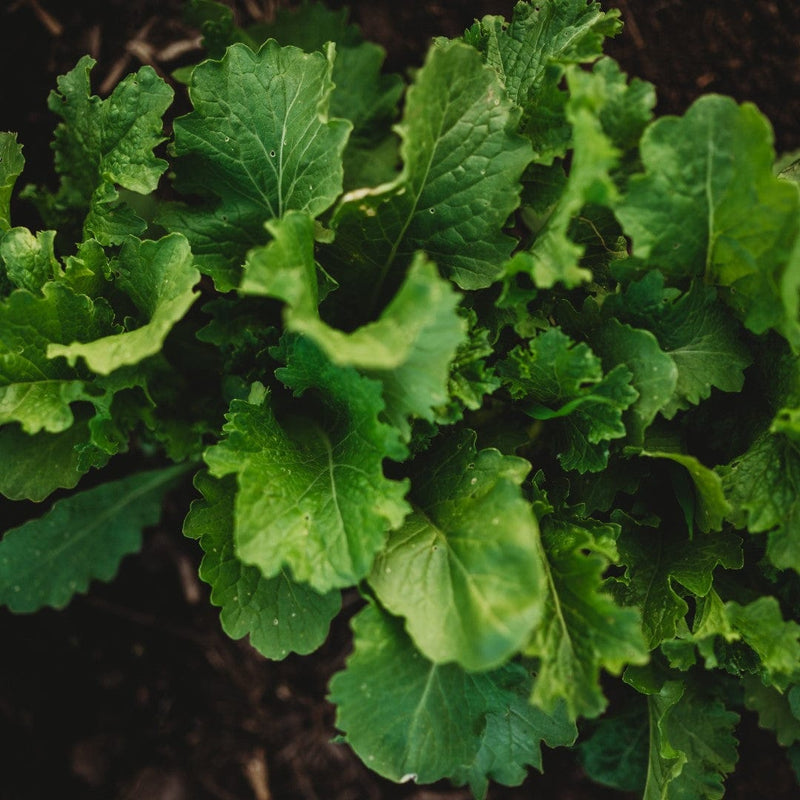
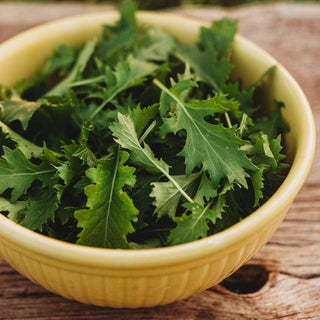
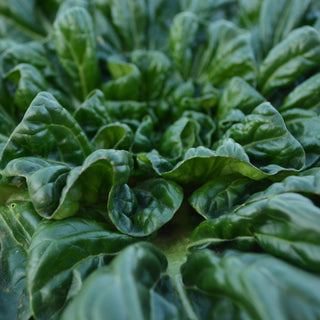
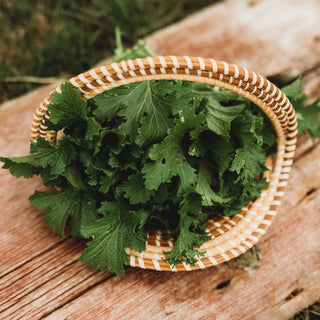
Also known as komatsuna, Tendergreen Mustard Spinach produces smooth, delicate leaves with a mild spinach-like flavor and excellent texture. We love the flavor of spinach, but in certain years it can be a struggle to grow enough of it to suit our needs. Tendergreen mustard offers the flavor and texture of spinach, but with greater yields and easier care. It does bolt slightly earlier than other mustard varieties, so it is best to sow spring plantings early enough that they will mature before the weather gets hot. Successive fall plantings can be made beginning six weeks before first frost. Harvests can be extended into early winter if cold frames are used. Approximately 40 days to harvest. Each packet contains a minimum of 500 seeds.
Brassica rapa
Also known as komatsuna, Tendergreen Mustard Spinach produces smooth, delicate leaves with a mild spinach-like flavor and excellent texture. We love the flavor of spinach, but in certain years it can be a struggle to grow enough of it to suit our needs. Tendergreen mustard offers the flavor and texture of spinach, but with greater yields and easier care. It does bolt slightly earlier than other mustard varieties, so it is best to sow spring plantings early ... read more
Brassica rapa
Also known as komatsuna, Tendergreen Mustard Spinach produces smooth, delicate leaves with a mild spinach-like flavor and excellent texture. We love the flavor of spinach, but in certain years it can be a struggle to grow enough of it to suit our needs. Tendergreen mustard offers the flavor and texture of spinach, but with greater yields and easier care. It does bolt slightly earlier than other mustard varieties, so it is best to sow spring plantings early enough that they will mature before the weather gets hot. Successive fall plantings can be made beginning six weeks before first frost. Harvests can be extended into early winter if cold frames are used. Approximately 40 days to harvest. Each packet contains a minimum of 500 seeds.
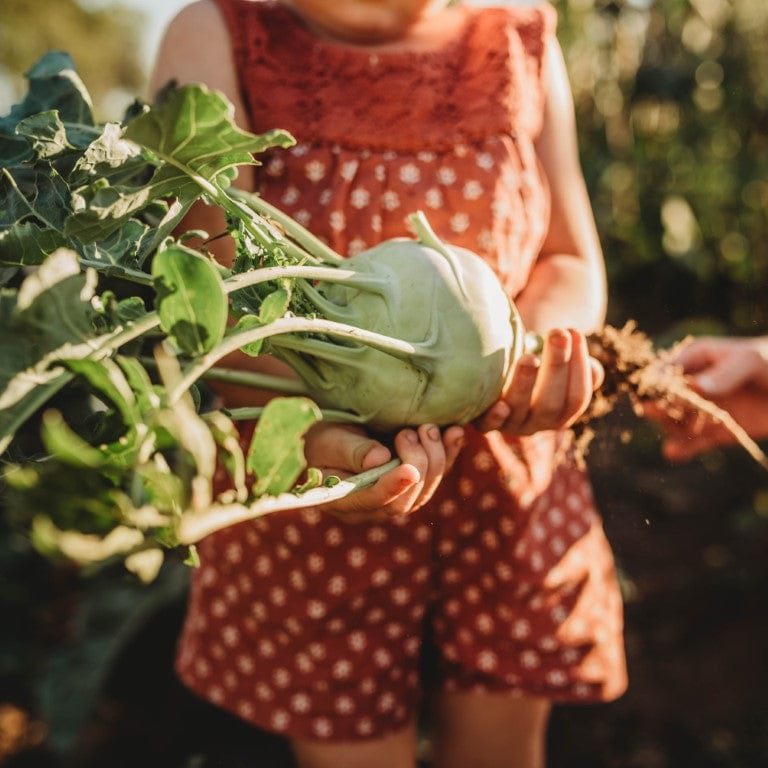
We care about what we put in your hands and in the soil. That’s why our seeds are never treated with neonicotinoids or any other chemicals. Our varieties are all non-GMO and non-hybrid, so you can save seeds from your plants and grow them again next year.
Mustard grows best in well-draining soil with a pH between 6.0 and 7.5 and requires full sun to partial shade. It is a cool-season crop that can tolerate some heat but grows best in temperatures between 45-75°F. Mustard has a relatively short growing season and can be harvested as soon as 3-4 weeks after planting. The soil should be kept consistently moist but not waterlogged, and the plant may benefit from occasional fertilization. Mustard is a fast-growing plant that can be planted in early spring or fall and is an excellent choice for planting in containers or small spaces.
Sow seeds outdoors as soon as soil can be worked. Plant seeds 1/4" deep, 1" apart in rows 18" apart. Germination will occur in 7-14 days. Once seedlings have emerged, thin to one plant every 3-6". Successive fall plantings can be made beginning six weeks before first frost.
Not recommended. Plants grown indoors are prone to bolting.
Insect Pests
While rarely a serious issue, mustard is susceptible to insect pests such as aphids, flea beetles, and caterpillars. Flea beetles can cause small holes in the leaves, while aphids can distort and yellow the leaves. Caterpillars, particularly the diamondback moth caterpillar, can cause significant damage by eating large sections of leaves. To prevent and manage insect infestations, it is recommended to use row covers, crop rotation, and natural predators such as ladybugs and lacewings. In severe cases, insecticidal soap or neem oil can be used to control populations.
Diseases & Other Problems
Although not common, mustard can be affected by diseases such as black rot, clubroot, and downy mildew, which can cause stunted growth, yellowing leaves, and wilting. To prevent these diseases, it is recommended to use disease-resistant varieties, practice crop rotation, and avoid planting in wet or waterlogged soils. Additionally, overwatering or overcrowding can lead to fungal diseases such as damping-off, which can cause seedlings to wilt and die. To prevent damping-off, ensure proper drainage and provide good air circulation. Bolting is common in periods of high temperatures. Providing some shade can somewhat delay the onset of flowering.
Mustard leaves can be harvested as soon as they are large enough to eat, typically 20-30 days after planting. To harvest, cut the leaves near the base of the plant, leaving some leaves behind to allow for regrowth. The leaves can be eaten fresh or stored in a plastic bag in the refrigerator for up to a week.
CONSIDERATIONS:
Mustard is an outcrossing plant with pollination primarily being performed by bees and other insects. To maintain varietal purity, isolate at least one-quarter mile from all plants of the Brassica rapa species. This class includes turnip, rutabaga, pak choi and some wild plants. If isolation by distance cannot be guaranteed, cover plants with netting or other physical barriers (pollinators will need to be introduced in this scenario).
HARVESTING SEED:
After flowering, the seed heads should be left on the plant until they have dried and turned brown. Cut the seed heads and lay flat on a tarp until completely dried. Once the siliques have dried, place stalks in a bag and stomp on them to release the seed. Winnow to separate the seed from the chaff and store seeds in an airtight container.
SEED LONGETIVITY:
Mustard seeds can maintain their viability for 3-5 years if stored properly. To ensure the longest possible viability, store the seeds in a cool, dry place in an airtight container or envelope.
Seeds planted and are performing excellent. Make sure you water frequently if no rain
Based on my experience with Thresh seeds, I expect that these will perform well.
We planted the seed in our small tiered seasonal greens garden and sprinkled water on them. We misted them each day for a couple of days and they started pushing above the soil. We then gently watered them until they produced a ground cover. From then on, with once weekly rain the Tendergreen Spinach Mustard grew rapidly and was harvested a couple of times per week. The greens were tender and flavorful and lasted through several freezes and finally were killed by 0 degree weather in mid January. From the first harvesting to the last harvesting, the greens were full of flavor. We will be planting twice a year from now on.
Sign up to get the latest on sales, new releases, and more...