Free Shipping on Orders $35+

Login
Amazon American Express Apple Pay Diners Club Discover Google Pay Mastercard PayPal Shop Pay Venmo Visa
Guaranteed to Grow
Neonicotinoid-Free
Heirloom

Southern Giant Curled Mustard

Quick Facts:

  • Heirloom variety, late 19th century
  • Popular curly mustard
  • Great for wilted greens
  • Slow to bolt; Great for spring and fall
  • 30-50 days to harvest

View full description

✓ Plant with Confidence—Guaranteed Through 2027

Quantity: Packet (500 Seeds)

shipping estimated time of arrival Get it between -

We ship to the United States, its territories and outlying islands. Returns are accepted within 30 days of receipt. Full warranty information can be found here.

We guarantee our seed to be fresh, vigorous, untreated, and true to variety.

Each packet is guaranteed through the year printed on the packet, plus one full additional growing year.

If your seeds fail to germinate, arrive damaged, or do not grow true to type, please contact us and we will make it right through replacement seed, store credit, or refund when appropriate.

Full warranty policy here.

Southern Giant Curled Mustard

More about Southern Giant Curled

Brassica rapa

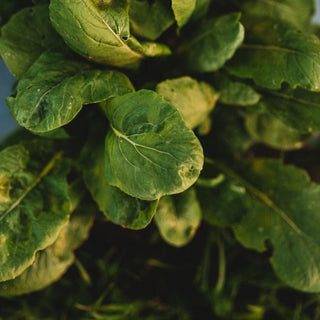
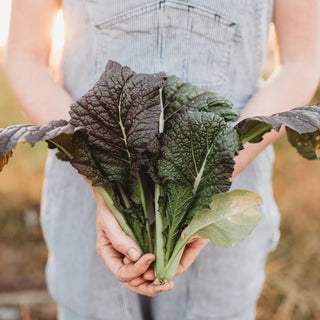
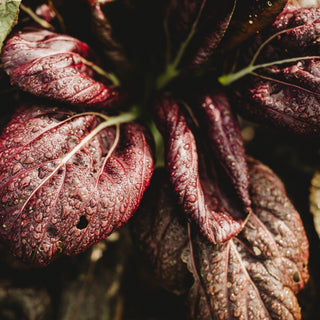
Southern Giant Curled Mustard is a classic heirloom mustard green variety popular since at least the late 1800s, prized for its large, deeply curled leaves, vigorous growth, and excellent flavor. One of the most dependable mustard green seeds for home gardens, it produces abundant harvests of tender greens with a mild peppery bite that becomes richer as the leaves mature.

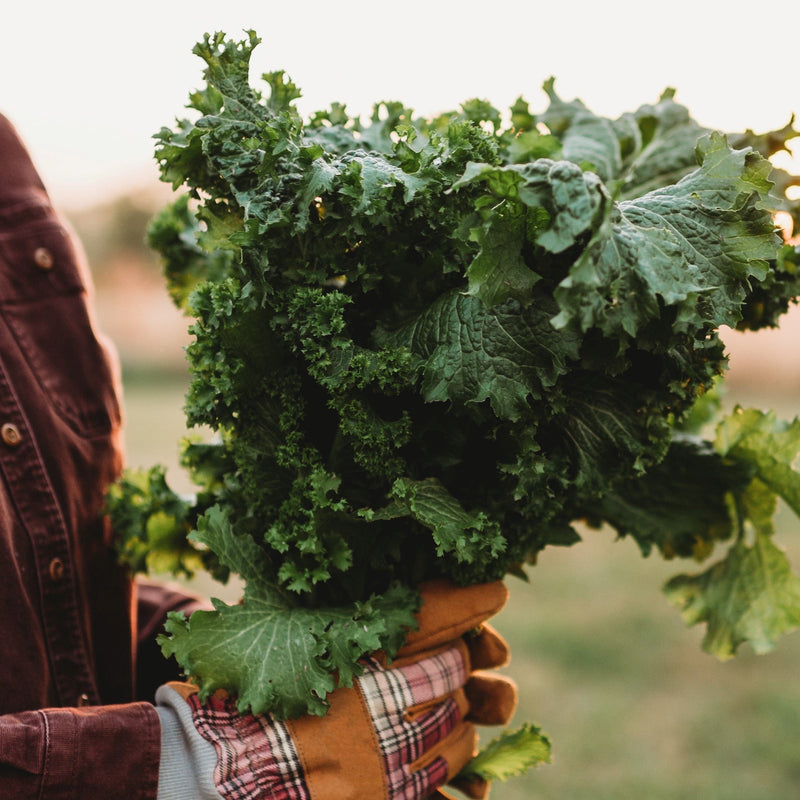
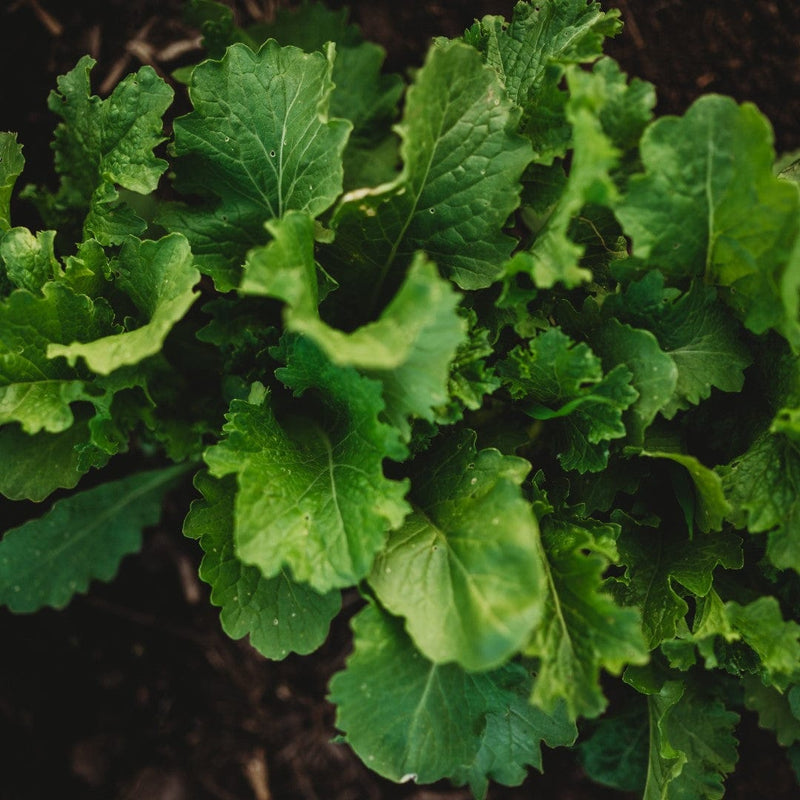
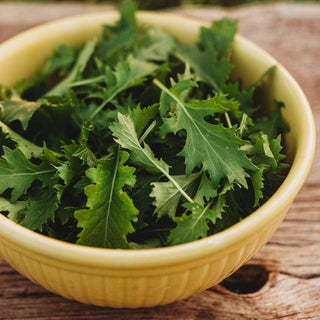
Its large, crumpled foliage with beautifully curled margins makes it one of the most attractive curly mustard greens in the garden. Young leaves are excellent for baby greens and salad mixes, while mature leaves are perfect for sautéing, wilting, or slow-cooked Southern dishes.

This is also one of the slowest mustard variet... More

Less

Brassica rapa

Southern Giant Curled Mustard is a classic heirloom mustard green variety popular since at least the late 1800s, prized for its large, deeply curled leaves, vigorous growth, and excellent flavor. One of the most dependable mustard green seeds for home gardens, it produces abundant harvests of tender greens with a mild peppery bite that becomes richer as the leaves mature.

Its large, crumpled foliage with beautifully curled margins makes it one of the most attractive curly mustard greens in the garden. Young leaves are excellent for baby greens and salad mixes, while mature leaves are perfect for sautéing, wilting, or slow-cooked Southern dishes.

This is also one of the slowest mustard varieties to bolt, making it especially valuable for extended spring and fall harvests and even early winter production under cold frames. If you're looking for productive, flavorful mustard green seeds, Southern Giant Curled remains one of the best heirloom choices. Approximately 30 to 50 days to harvest. Each packet contains a minimum of 500 seeds.
Brassica rapa

Southern Giant Curled Mustard is a classic heirloom mustard green variety popular since at least the late 1800s, prized for its large, deeply curled leaves, vigorous growth, and excellent flavor. One of the most dependable mustard green seeds for home gardens, it produces abundant harvests of tender greens with a mild peppery bite that becomes richer as the leaves mature.

Its large, crumpled foliage with beautifully curled margins makes it one of the mo... read more

read less

Brassica rapa

Southern Giant Curled Mustard is a classic heirloom mustard green variety popular since at least the late 1800s, prized for its large, deeply curled leaves, vigorous growth, and excellent flavor. One of the most dependable mustard green seeds for home gardens, it produces abundant harvests of tender greens with a mild peppery bite that becomes richer as the leaves mature.

Its large, crumpled foliage with beautifully curled margins makes it one of the most attractive curly mustard greens in the garden. Young leaves are excellent for baby greens and salad mixes, while mature leaves are perfect for sautéing, wilting, or slow-cooked Southern dishes.

This is also one of the slowest mustard varieties to bolt, making it especially valuable for extended spring and fall harvests and even early winter production under cold frames. If you're looking for productive, flavorful mustard green seeds, Southern Giant Curled remains one of the best heirloom choices. Approximately 30 to 50 days to harvest. Each packet contains a minimum of 500 seeds.
Tomatoes
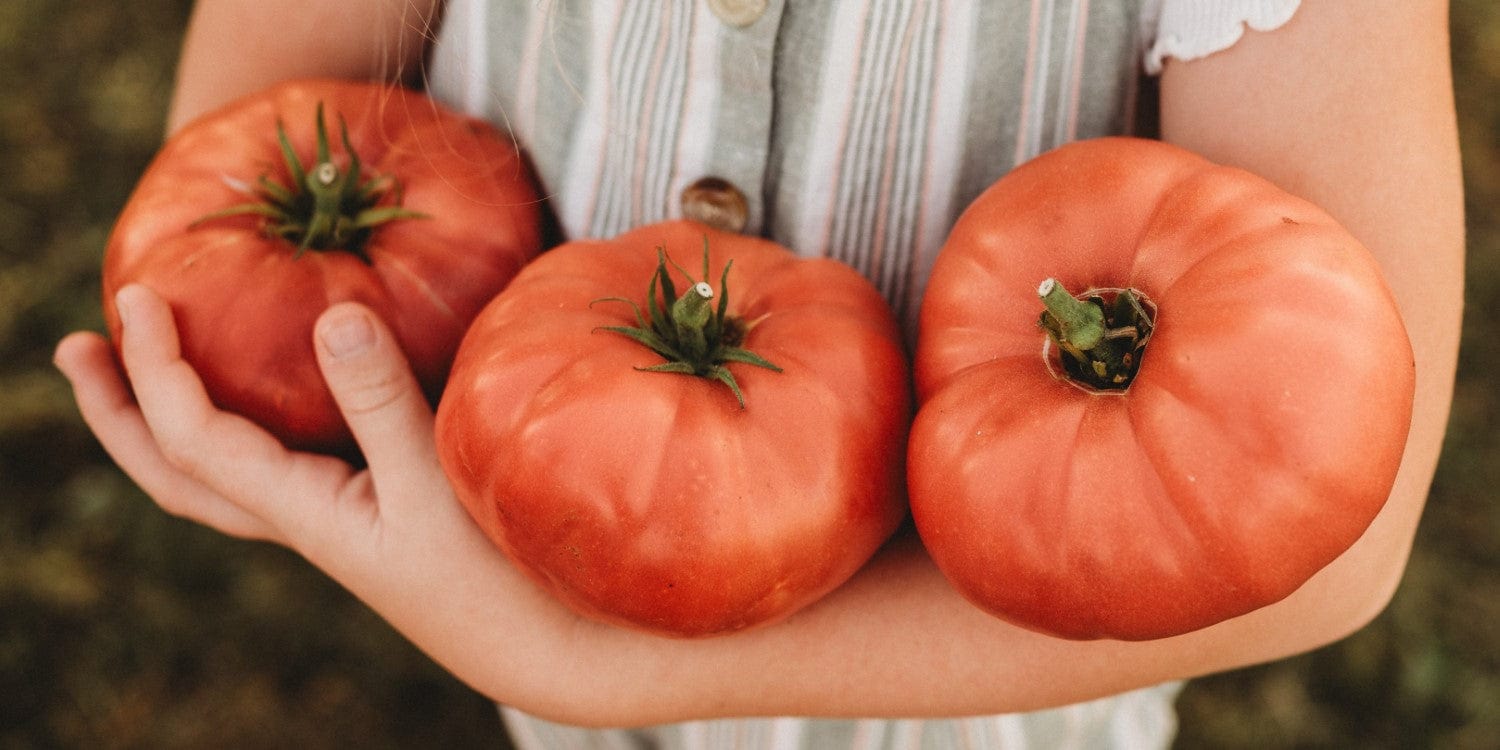
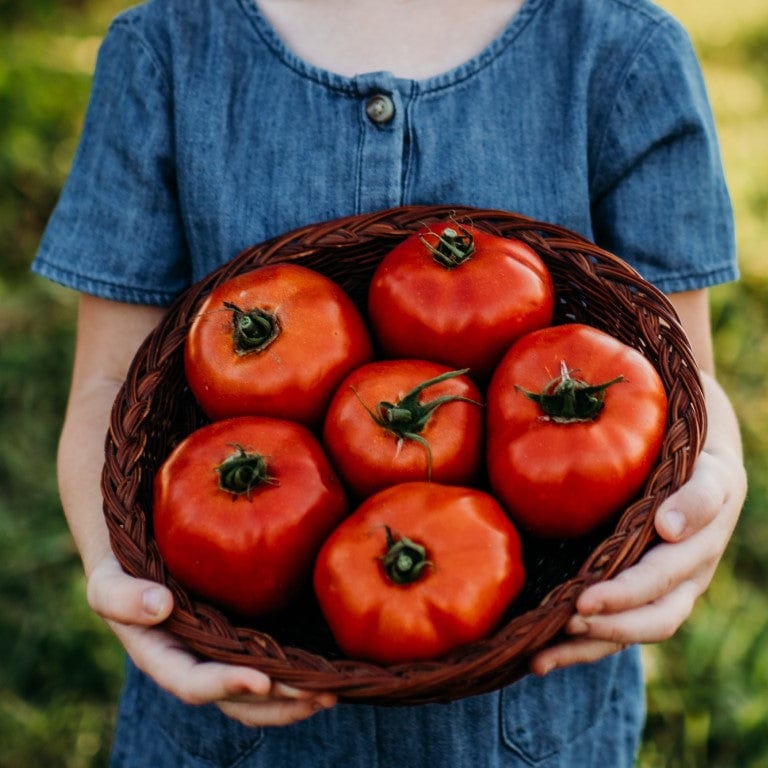
Heirloom Tomatoes

How to Grow Mustard

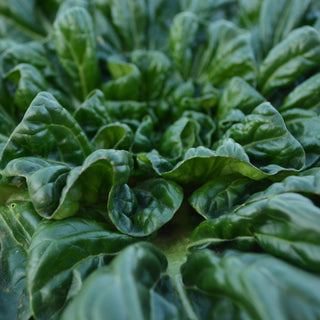
Mustard grows best in well-draining soil with a pH between 6.0 and 7.5 and requires full sun to partial shade. It is a cool-season crop that can tolerate some heat but grows best in temperatures between 45-75°F. Mustard has a relatively short growing season and can be harvested as soon as 3-4 weeks after planting. The soil should be kept consistently moist but not waterlogged, and the plant may benefit from occasional fertilization. Mustard is a fast-growing plant that can be planted in early spring or fall and is an excellent choice for planting in containers or small spaces.

Sow seeds outdoors as soon as soil can be worked.  Plant seeds 1/4" deep, 1" apart in rows 18" apart.  Germination will occur in 7-14 days.  Once seedlings have emerged, thin to one plant every 3-6".  Successive fall plantings can be made beginning six weeks before first frost.

Not recommended. Plants grown indoors are prone to bolting.

Insect Pests

While rarely a serious issue, mustard is susceptible to insect pests such as aphids, flea beetles, and caterpillars. Flea beetles can cause small holes in the leaves, while aphids can distort and yellow the leaves. Caterpillars, particularly the diamondback moth caterpillar, can cause significant damage by eating large sections of leaves. To prevent and manage insect infestations, it is recommended to use row covers, crop rotation, and natural predators such as ladybugs and lacewings. In severe cases, insecticidal soap or neem oil can be used to control populations.

Diseases & Other Problems

Although not common, mustard can be affected by diseases such as black rot, clubroot, and downy mildew, which can cause stunted growth, yellowing leaves, and wilting. To prevent these diseases, it is recommended to use disease-resistant varieties, practice crop rotation, and avoid planting in wet or waterlogged soils. Additionally, overwatering or overcrowding can lead to fungal diseases such as damping-off, which can cause seedlings to wilt and die. To prevent damping-off, ensure proper drainage and provide good air circulation. Bolting is common in periods of high temperatures. Providing some shade can somewhat delay the onset of flowering.

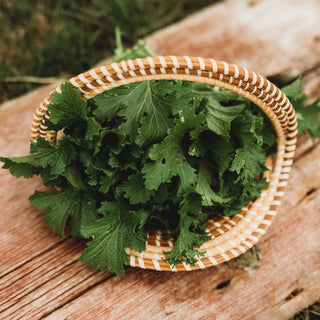
Mustard leaves can be harvested as soon as they are large enough to eat, typically 20-30 days after planting. To harvest, cut the leaves near the base of the plant, leaving some leaves behind to allow for regrowth. The leaves can be eaten fresh or stored in a plastic bag in the refrigerator for up to a week.

CONSIDERATIONS:

Mustard is an outcrossing plant with pollination primarily being performed by bees and other insects. To maintain varietal purity, isolate at least one-quarter mile from all plants of the Brassica rapa species. This class includes turnip, rutabaga, pak choi and some wild plants. If isolation by distance cannot be guaranteed, cover plants with netting or other physical barriers (pollinators will need to be introduced in this scenario).

HARVESTING SEED:

After flowering, the seed heads should be left on the plant until they have dried and turned brown. Cut the seed heads and lay flat on a tarp until completely dried. Once the siliques have dried, place stalks in a bag and stomp on them to release the seed. Winnow to separate the seed from the chaff and store seeds in an airtight container.

SEED LONGETIVITY:

Mustard seeds can maintain their viability for 3-5 years if stored properly. To ensure the longest possible viability, store the seeds in a cool, dry place in an airtight container or envelope.

Mustard growing

Search