We ship to the United States, its territories and outlying islands. Returns are accepted within 30 days of receipt. Full warranty information can be found here.

Free Shipping on Orders $35+
✓ Plant with Confidence—Guaranteed Through 2027
Get it between -
We ship to the United States, its territories and outlying islands. Returns are accepted within 30 days of receipt. Full warranty information can be found here.
We guarantee our seed to be fresh, vigorous, untreated, and true to variety.
Each packet is guaranteed through the year printed on the packet, plus one full additional growing year.
If your seeds fail to germinate, arrive damaged, or do not grow true to type, please contact us and we will make it right through replacement seed, store credit, or refund when appropriate.
Full warranty policy here.
Open-pollinated varieties, perfect for seed saving.
Safe seeds, free of neonics and other treatments.
It's simple. If you have a problem, we make it right.
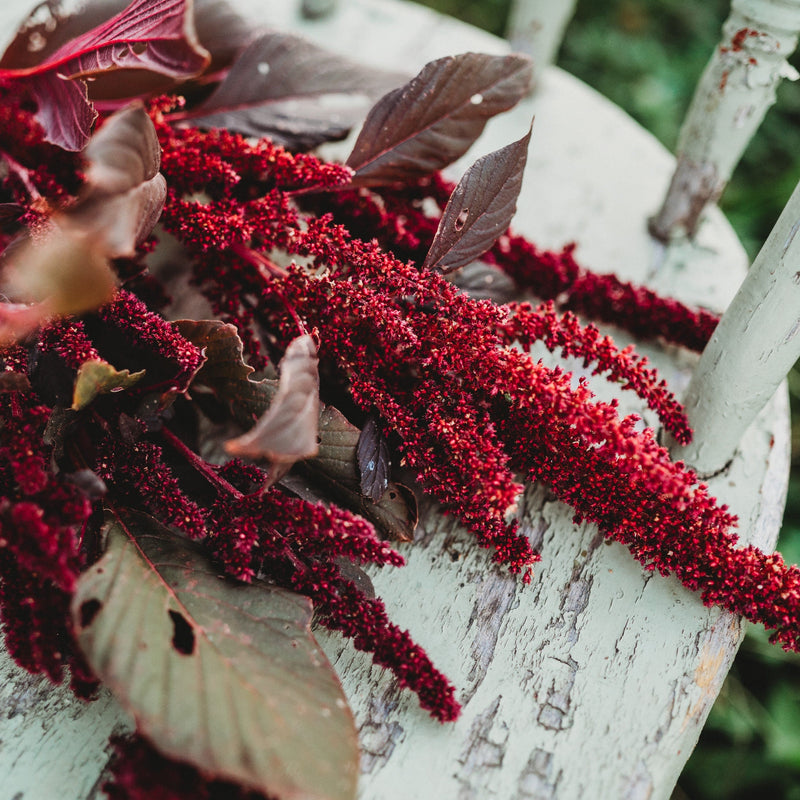
Amaranthus cruentus
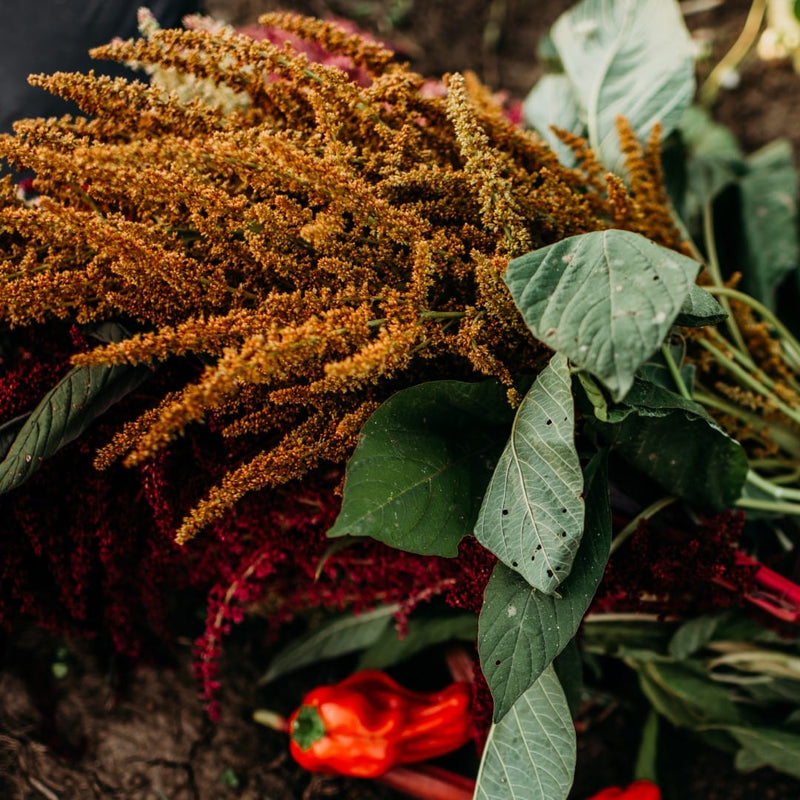
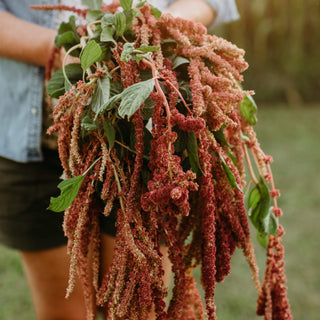
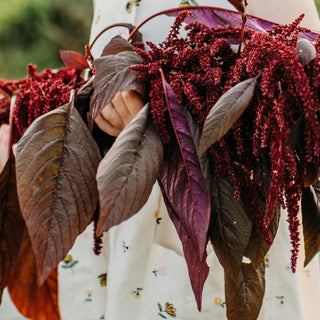
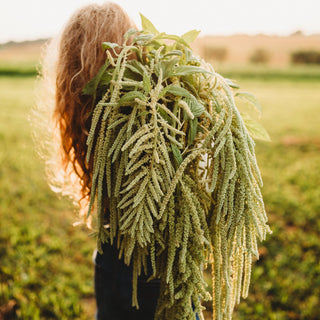
Red Garnet Amaranth is a beautiful flowering variety with a multitude of uses. Microgreens can be harvested in as few as 15 days, colorful salad or wilting greens in 30 to 60 days, and nutritious "grain" in 85 days. Deep red color intensifies with heat, giving the plants an ornamental appearance. Beautiful seed heads are extremely attractive to birds. Approximately 15-85 days to harvest. Each packet contains a minimum of 150 seeds.
Amaranthus cruentus
Red Garnet Amaranth is a beautiful flowering variety with a multitude of uses. Microgreens can be harvested in as few as 15 days, colorful salad or wilting greens in 30 to 60 days, and nutritious "grain" in 85 days. Deep red color intensifies with heat, giving the plants an ornamental appearance. Beautiful seed heads are extremely attractive to birds. Approximately 15-85 days to harvest. Each packet contains a minimum of 150 seeds.

We’re holding firm to the time-honored traditions and downhome ways that have brought up generations all across these fruited plains. In fact, the varieties offered here are the same ones we place on our own dinner table—and in this way of life, that says something.
Amaranth prefers well-draining soil with a pH of 6.0-7.0 and full sun. It needs at least 6 hours of direct sunlight per day for optimal growth. Amaranth is a warm-season crop and does best in temperatures between 65-85°F.
After danger of frost has passed surface sow seeds and cover with a very fine layer of soil. Space seeds 2-3" apart in rows 24-36" apart. Thin to one plant every 6" after germination has occurred.
Not recommended.
Insect Pests
Although uncommon, amaranth can be affected by the pigweed weevil, a small insect that burrows into the stem of the plant causing it to wilt and fall over. Regularly monitor plants for signs of pests. Pull and destroy affected plants if needed.
Diseases & Other Problems
Although generally easy to grow, amaranth can be affected by common diseases like damping off. Wait until the danger of frost has passed and avoid planting when cool, wet weather is forecasted to prevent disease.
Young leaves can be harvested around one month from planting. Cut individual leaves starting at the bottom of the plant and working up. Leave the growing tip intact to allow for continued growth. For seed, wait until the plants are fully mature and have begun to dry down. Cut the heads and hang upside down over a tarp or set upright in a tote or barrel to finish drying. Rub against fine mesh to release the seeds. Winnow gently to separate the seed from the chaff.
CONSIDERATIONS:
Amaranth is a predominantly wind-pollinated crop, although the heads are frequented by honeybees and may occasionally be pollinated by bees or other insects. When growing more than one variety, plants must be isolated geographically or grown in fine mesh cages.
HARVESTING SEED:
To harvest seeds, allow the plants to reach full maturity then cut the heads from the plant and store in a well-ventilated place until the heads have completely dried. Rub the seed heads against mesh or between hands to release the small seeds. Be sure to wear a dust mask or respirator as this is a dusty job. Store seeds in an airtight container until ready to use.
SEED LONGETIVITY:
Amaranth seeds can remain viable for up to five years if stored in a cool, dry place.
Thresh Seed Co. hasnt disappointed me yet, great seeds with great germ rates!
Sign up to get the latest on sales, new releases, and more...