We ship to the United States, its territories and outlying islands. Returns are accepted within 30 days of receipt. Full warranty information can be found here.






✓ Plant with Confidence—Guaranteed Through 2027
 Get it between -
Open-pollinated varieties, perfect for seed saving.
Safe seeds, free of neonics and other treatments.
It's simple. If you have a problem, we make it right.

Cucurbita maxima
The Lakota squash is a striking heirloom-style winter squash with roots dating back to the Indigenous tribes of the Missouri Valley. Records show that it was collected in the early 1800s by soldiers at Fort Atkinson and made its way west to Fort Robinson before eventually being selected and refined by researchers at the University of Nebraska. It was finally released in the 1990s and to this day continues to be prized for both its beauty and flavor.
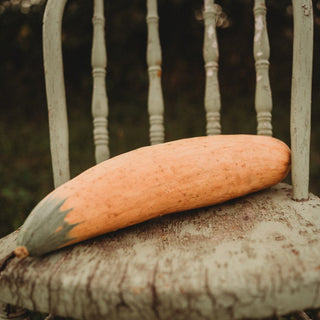
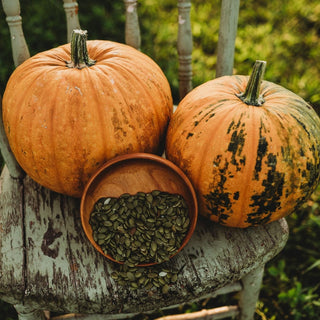
Its brilliant orange skin brushed with blue-green mottling makes it one of the most eye-catching squash in the field—impossible to miss as you walk the rows. In our trials, Lakota was also one of the earliest C. maxima varieties to matur... More
Cucurbita maxima
The Lakota squash is a striking heirloom-style winter squash with roots dating back to the Indigenous tribes of the Missouri Valley. Records show that it was collected in the early 1800s by soldiers at Fort Atkinson and made its way west to Fort Robinson before eventually being selected and refined by researchers at the University of Nebraska. It was finally released in the 1990s and to this day continues to be prized for both its beauty and flavor.
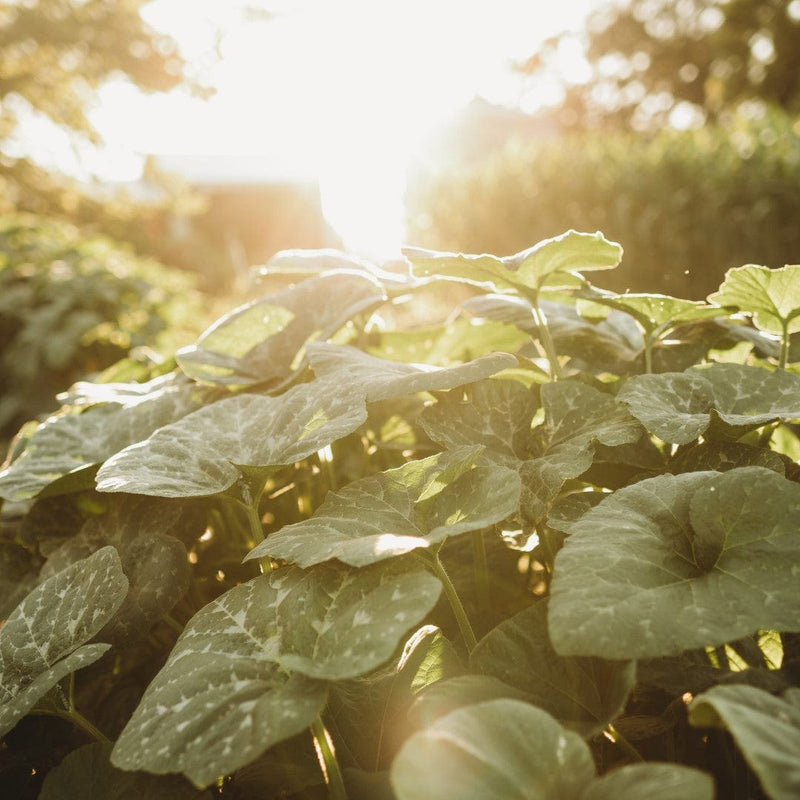
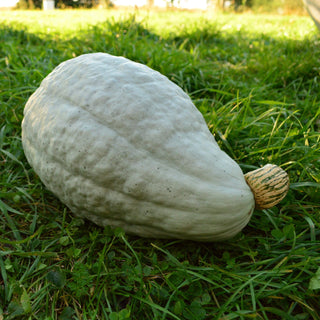
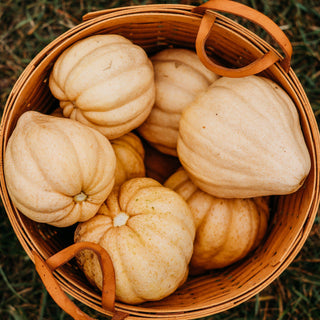
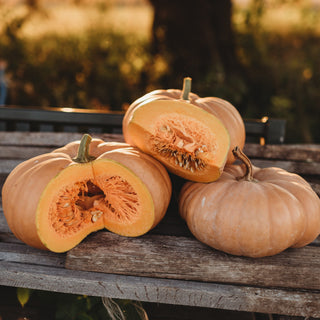
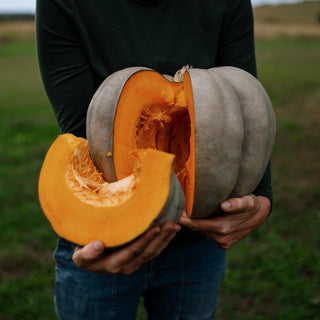
Its brilliant orange skin brushed with blue-green mottling makes it one of the most eye-catching squash in the field—impossible to miss as you walk the rows. In our trials, Lakota was also one of the earliest C. maxima varieties to mature and one of only two out of twelve varieties that managed to withstand a devastating squash vine borer infestation. While it is not as naturally resistant as a C. moschata, it certainly proved tougher than most of the other maxima types we grew.
The flesh is rich, smooth, and similar to a Hubbard squash, making it excellent for pies, soups, and other baked dishes where deep, sweet squash flavor shines. Beautiful, dependable, and delicious, Lakota has earned its place as a must-grow on our homestead. Matures approximately 85-100 days after planting. Each packet contains a minimum of 25 seeds.
Cucurbita maxima
The Lakota squash is a striking heirloom-style winter squash with roots dating back to the Indigenous tribes of the Missouri Valley. Records show that it was collected in the early 1800s by soldiers at Fort Atkinson and made its way west to Fort Robinson before eventually being selected and refined by researchers at the University of Nebraska. It was finally released in the 1990s and to this day continues to be prized for both its beauty and flavor.
Cucurbita maxima
The Lakota squash is a striking heirloom-style winter squash with roots dating back to the Indigenous tribes of the Missouri Valley. Records show that it was collected in the early 1800s by soldiers at Fort Atkinson and made its way west to Fort Robinson before eventually being selected and refined by researchers at the University of Nebraska. It was finally released in the 1990s and to this day continues to be prized for both its beauty and flavor.
Its brilliant orange skin brushed with blue-green mottling makes it one of the most eye-catching squash in the field—impossible to miss as you walk the rows. In our trials, Lakota was also one of the earliest C. maxima varieties to mature and one of only two out of twelve varieties that managed to withstand a devastating squash vine borer infestation. While it is not as naturally resistant as a C. moschata, it certainly proved tougher than most of the other maxima types we grew.
The flesh is rich, smooth, and similar to a Hubbard squash, making it excellent for pies, soups, and other baked dishes where deep, sweet squash flavor shines. Beautiful, dependable, and delicious, Lakota has earned its place as a must-grow on our homestead. Matures approximately 85-100 days after planting. Each packet contains a minimum of 25 seeds.